Show summary Hide summary
- How Kayla presented the Toni Braxton transformation
- Fans interpreted the costume as a deliberate jab
- Song lyrics and reported responses: the wider feud
- Nicole’s history of using Halloween to make statements
- Why audiences latch onto celebrity costume moments
- What each camp has said and what remains unsaid
- How the narrative is shaping up online
- Media and influencer strategies in celebrity disputes
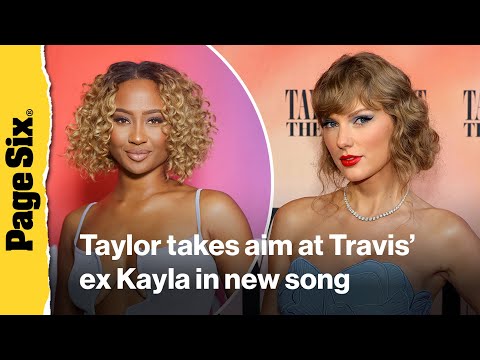
Kayla Nicole’s Halloween makeover — a glossy recreation of Toni Braxton’s early-2000s look — has reignited a swirl of online gossip. The outfit and video she shared lit up social feeds, with many readers convinced the costume was a pointed nod at her recent link to Travis Kelce and his fiancée, Taylor Swift.
How Kayla presented the Toni Braxton transformation
Nicole posted a short Instagram clip showing her channeling the mood and moves of Toni Braxton’s “He Wasn’t Man Enough” era. She described the singer as an icon and noted the 2000s inspiration in her caption.
Euphoria season 3: Sydney Sweeney left off set as feud with Zendaya intensifies
Serena Williams GLP-1 ad sparks backlash: weight-loss commercial called irresponsible and dystopian
Alongside the video, Nicole released a set of polished photos from a Halloween shoot. Photographers Shaun-Andru and Moses Alexander are credited for the images.
Fans interpreted the costume as a deliberate jab
Comments under the post quickly shifted from costume praise to speculation about motive. Many followers framed the choice as a strategic, public-side swipe.
- “This is how you have the last laugh.”
- “This was a very SAVAGE move.”
- “No one is mad at it hahaha.”
- “Somebody gon check on TayTay?”
Social media users debated whether the recreation was a playful homage or a calculated message aimed at Kelce and Swift.
Song lyrics and reported responses: the wider feud
The costume emerged days after a new Taylor Swift track appeared to reference someone in Kelce’s circle. In the song, listeners heard lines suggesting a person was photographed or present for attention, not sincerity.
That verse fueled talk that Swift was addressing the influencer world around her fiancé. Observers took the lyric as a subtle rebuttal to influencers who cross between personal life and public image.
Nicole’s history of using Halloween to make statements
Halloween has been a stage for Kayla before. In interviews last year, she teased a costume that many connected to Teyana Taylor after a breakup story involving Iman Shumpert.
Teyana Taylor’s reaction
Taylor publicly criticized the choice and tone of Nicole’s comments. She called the language used to describe the situation distasteful and said it seemed intended to draw attention.
That earlier exchange set a precedent: Nicole’s playful or provocative costumes tend to spark outsized online reaction.
Why audiences latch onto celebrity costume moments
Costumes invite storytelling. When a known figure re-creates a famous look, fans search for subtext. That dynamic plays out across these recent posts.
- Costume choices become media moments.
- Fans read costumes as commentary on real relationships.
- Public figures use Halloween for image-making and response.
What each camp has said and what remains unsaid
Nicole framed her post as tribute and celebration of an R&B classic. Fans and commentators layered meaning on top of that tribute.
Swift’s new material provided a separate, lyrical pushback that some believe referenced the same circles. Neither party issued a direct public statement tying the costume to the song.
How the narrative is shaping up online
On platforms where comments spread quickly, symbolic gestures can feel like direct attacks. The back-and-forth now sits at the intersection of pop culture, personal narrative, and Halloween spectacle.
- Observers track costume posts alongside songs and interviews.
- Speculation fuels more posts, which feed public curiosity.
- Photographs and short videos act as evidence in a social-media drama.
Media and influencer strategies in celebrity disputes
Influencers often turn personal stories into content. That approach can escalate tensions when celebrities or their fans interpret those stories as deliberate slights.
The result is a looping cycle of posts, reactions, and new material that keeps audiences engaged.