Show summary Hide summary
- Alyssa Farah Griffin: defending Sydney Sweeney and calling out the critics
- How The View hosts responded to the sheer dress and red carpet trends
- Why this wardrobe moment ignited bigger cultural arguments
- Outside commentary: Megyn Kelly and the silence from Sweeney
- What the headlines reveal about modern celebrity culture
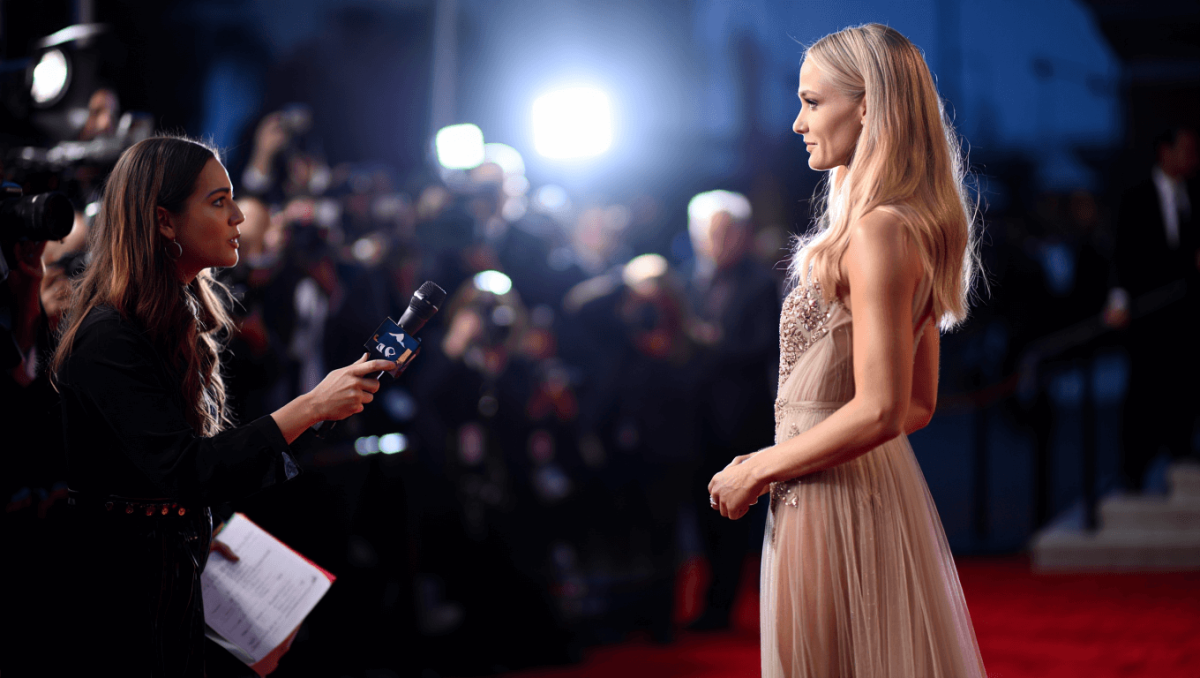
Alyssa Farah Griffin pushed back this week against a wave of criticism aimed at Sydney Sweeney after the actress stepped out in a daring, see-through gown at Variety’s Power of Women event. The former White House communications director turned talk-show host argued the backlash has been unfair and uneven, and used the moment to spotlight how female actors are judged for their bodies and wardrobe choices.
Alyssa Farah Griffin: defending Sydney Sweeney and calling out the critics
On the Friday episode of The View, Griffin said she’s tired of the negative messages aimed at Sweeney. She framed the controversy as part of a pattern in which women in Hollywood are reduced to their looks.
Arkansas’ Darius Acuff Jr. earns rare Kyrie Irving comp from Bill Simmons
Sean Penn awarded Oscar forged from war-damaged Ukrainian train: he skipped the ceremony
Griffin emphasized Sweeney’s acting chops and noted that attacks over the star’s sex appeal ignore her craft. She pointed to Sweeney’s recent physical transformation for the role in the series Christy, and how that too drew online scorn.
Griffin also used a gender comparison to make her point. She joked that male stars do not face the same scrutiny for being attractive or wearing certain outfits, citing Brad Pitt as an example of how men rarely get penalized for their looks.
How The View hosts responded to the sheer dress and red carpet trends
Different takes from the panel
- Ana Navarro criticized the rise of ultra-revealing outfits at premieres and galas. She described some red-carpet looks as resembling swimwear with a sheer overlay.
- Sara Haines acknowledged the frequency of “naked” looks, but praised examples she saw as empowering and tasteful. She pointed to Jennifer Lopez as an instance of balancing skin-showing with authority and sophistication.
- Griffin focused on the unfair narrative that suggests Sweeney only gets roles because of her sexuality rather than her talent.
The segment did not break down the specific design elements of Sweeney’s dress. Instead, the hosts used the outfit as a springboard to discuss wider red-carpet fashion and how public opinion is shaped.
Why this wardrobe moment ignited bigger cultural arguments
The debate around Sweeney’s gown tapped into longer cultural conversations about sexualization, agency, and double standards in entertainment.
- Many critics argue that revealing fashions are empowering, a form of self-expression.
- Opponents say they can fuel unrealistic expectations and reduce women to objects.
- Another recurring claim: female performers are punished for both wearing too much and for changing their bodies for work.
Online responses often swing between condemnation and celebration. Some commentators accuse the industry of rewarding looks over talent. Others call that line of attack sexist and dismissive of acting ability.
Outside commentary: Megyn Kelly and the silence from Sweeney
Conservative commentator Megyn Kelly publicly criticized the dress, suggesting the choice was a misstep. She questioned whether the outfit represented poor guidance rather than the star’s own intent.
Sweeney has not issued a public statement about the controversy. Her team has likewise remained quiet as discussion continues across social media and daytime TV.
What the headlines reveal about modern celebrity culture
Coverage of the red carpet moment shows how fast wardrobe choices can dominate headlines, for reasons that go beyond fashion.
- Outfits become shorthand for broader moral and cultural debates.
- Female celebrities are often turned into symbols in those arguments.
- Public reactions are amplified by talk shows and social platforms.
The episode on The View highlighted a familiar pattern: a single dress can trigger conversations about career, agency, and bias.