Show summary Hide summary
When SNAP benefits suddenly stopped arriving for millions of Americans, comedian Michael Che broke his usual routine and issued a sharp rebuke. His message mixed personal memory, anger at online reaction, and a critique of how society judges people who rely on food aid.
Why a federal food program ran dry this fall
Funding for the Supplemental Nutrition Assistance Program paused after the federal government entered a prolonged shutdown on Oct. 1. The U.S. Department of Agriculture told states it had exhausted short-term funds, leaving roughly tens of millions with no immediate access to benefits.
Knicks superfan Ben Stiller skips Oscars to watch gritty win over Warriors
U.S. embassies warn: 5 new travel alerts after demonstrations spread
The interruption followed weeks of political standoffs in Washington, turning basic grocery access into a national story.
Michael Che stepped off stage and spoke plainly
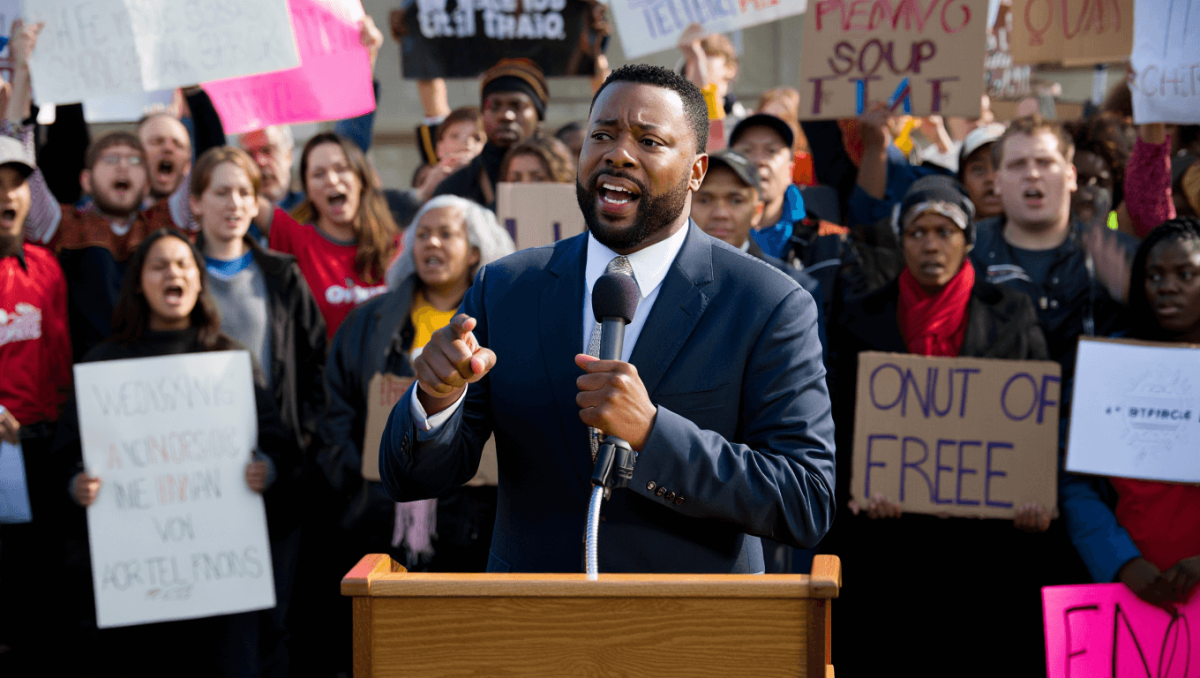
The longtime Saturday Night Live writer and Weekend Update cohost used Instagram to voice frustration. He traded jokes for urgency and criticized social media users who celebrated families suddenly unable to buy food.
Che recalled growing up relying on assistance. He described the humiliation of hiding food-stamp transactions and the false glamour some people ascribe to that life. He said his post was serious — not a setup for a punchline.
Key lines from his post (paraphrased)
- He pushed back against viral videos cheering when families couldn’t afford groceries.
- He argued the country’s elite often exploit systems, but poor people are judged for small survival moves.
- He shared a candid memory about waiting for friends to leave a store before using benefits.
Social media and the public ripple
Che’s post prompted a flood of replies from fellow comics, SNL alumni, and everyday users. Responses ranged from supportive solidarity to heated debate about welfare and responsibility.
- Some comedians praised Che for abandoning a punchline to call attention to urgency.
- Many users offered their own SNAP stories, noting how the program kept households afloat.
- Other commenters celebrated the freeze, reflecting long-standing stigma toward social safety nets.
Voices from Reddit and comment threads
Online threads captured a broader argument about blame and systems. A common theme: poverty is often treated as a personal failing instead of a structural problem.
- One commenter said most SNAP recipients work or are otherwise striving, and the stereotype of “lazy” recipients is inaccurate.
- Another observation noted that, by numbers, many SNAP users are White — reflecting national demographics, not a single group.
- Several posts framed the controversy as a class conflict, pointing to decades of policies that favor wealth consolidation.
Why the stigma matters
Personal anecdotes underscore how shame affects behavior. People who rely on assistance often go to lengths to avoid public notice.
That secrecy and shame influence mental health, dignity, and the political conversation. When benefits stop, the fallout is immediate and visible at kitchen tables and checkout lines.
Numbers, myths, and the reality of assistance
SNAP serves roughly 40 million Americans each year. Contrary to some narratives, many recipients are employed or live in suburban and rural areas.
Common myths include the idea that most beneficiaries are not working or that benefits primarily go to one demographic group. The data show a more complex picture.
Where the debate goes from here
Che’s post opened space for people to share memories and facts. It also exposed how entertainment figures can shift the tone of public discussion.
Will scrutiny of the SNAP freeze change policy debates? Will the social-media outrage that cheered the suspension translate to lasting political will? The conversation is far from settled.
How do you view the reaction to the SNAP interruption and Michael Che’s response? Join the discussion below.