Show summary Hide summary
- Why Lawrence once spoke out on President Trump
- What changed: caution, craft and career considerations
- Her view on celebrity influence and elections
- Reaction online: empathy and criticism
- How this debate reflects broader questions about art and politics
- Voices arguing for continued celebrity activism
- Voices urging restraint or strategic engagement
- What the conversation reveals about public expectations
- Responses from peers and cultural observers
Jennifer Lawrence says she’s stepping back from loud political calls. The Oscar winner told the New York Times she’s rethinking public criticism of Donald Trump and U.S. politics. Her concern: speaking out might push viewers away from her films and the art she creates.
Why Lawrence once spoke out on President Trump
Lawrence explained that during Trump’s first term she felt compelled to be vocal. The administration’s behavior felt alarming to her. She described a sense of urgency and disarray that pushed her to warn people and protest publicly.
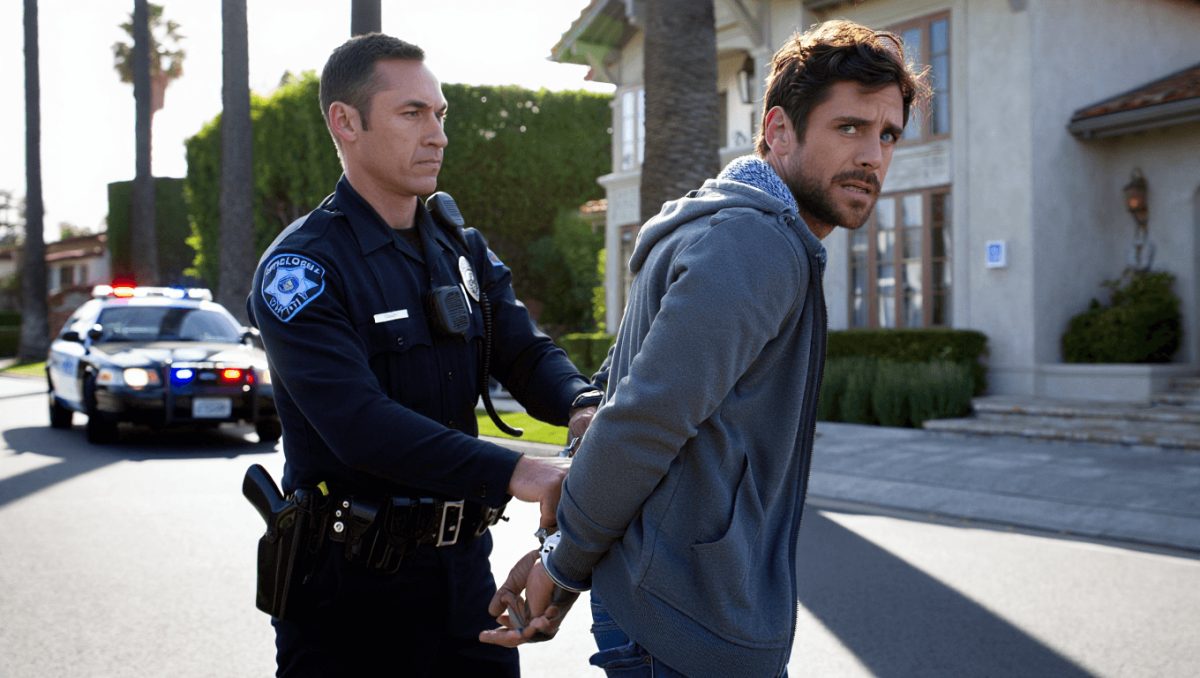
Nickelodeon star arrested after alleged Malibu burglary
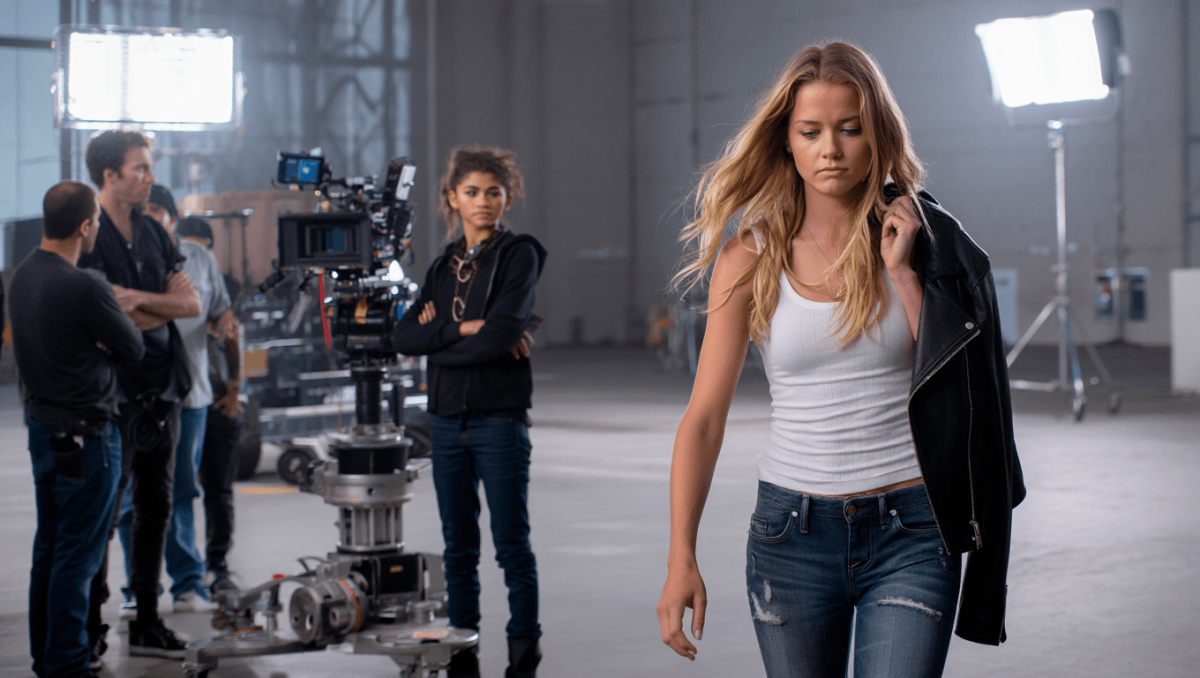
Euphoria season 3: Sydney Sweeney left off set as feud with Zendaya intensifies
At the time, she believed silence would be risky. Many celebrities took similar paths, using their platforms to criticize policies and raise alarm.
What changed: caution, craft and career considerations
Now, she says she is in a phase of “recalibration.” Lawrence worries that strong political statements can alienate audiences. She fears that if people dislike an artist’s politics, they may avoid films that could otherwise move or inspire them.
Her priority is protecting the work itself. She wants viewers to be able to “get lost” in a movie without politics blocking the way.
How she frames the risk
- Public commentary can inflame divisions.
- Famous figures can attract targeted attacks or threats.
- Artists risk having their body of work dismissed because of their views.
Her view on celebrity influence and elections
Lawrence pointed to repeated election results as evidence that celebrity endorsements rarely change voter behavior. She suggested that, in practice, celebrities often fail to shift electoral outcomes.
That realization partly informs her choice to speak less. If public statements don’t move ballots but do intensify polarization, she questions the value of weighing in.
Reaction online: empathy and criticism
The celebrity’s comments prompted a wide range of responses on social platforms.
- Some users said they understood and supported her caution. They argued that celebrity speech can provoke dangerous online mobs.
- Others criticized her motive, claiming she was protecting box-office returns more than civic health.
- Some commenters urged celebrities to use money and influence to push for change, rather than retreating from public debate.
Representative takes from social threads
- Supporters mentioned threats and organized backlash as reasons celebrities must be careful.
- Critics argued that staying silent denies solidarity to people harmed by policies.
- Another group emphasized that public figures should at least inform themselves and act responsibly if they choose to speak.
How this debate reflects broader questions about art and politics
Lawrence’s stance raises a recurring tension in culture. Can artists be outspoken citizens while still keeping their audiences open to their work?
Some believe art should challenge viewers and reflect social truths. Others insist art must remain an escape, free from the divisive noise of political life.
Practical consequences for Hollywood
- Studios track public sentiment and box-office risk closely.
- Actors weigh branding and career longevity when choosing to speak.
- Public controversies can endanger projects, endorsements, and future roles.
Voices arguing for continued celebrity activism
Celebrities hold money, media reach, and often a global audience. Supporters of public engagement say those resources can be channeled toward causes that help vulnerable people.
They view silence as complicity. Speaking out, even at personal cost, signals solidarity and can amplify marginalized voices.
Voices urging restraint or strategic engagement
Others recommend a measured approach. They suggest using platforms for targeted campaigns, voter education, or funding grassroots groups rather than broad political pronouncements.
For many in this camp, nuance matters. The method of engagement can be as important as the message.
What the conversation reveals about public expectations
Fans and critics both expect more from public figures today. Some demand moral leadership. Others prefer entertainers who remain neutral so their art can be universally enjoyed.
The debate over Lawrence’s comments shows how fraught that expectation has become, especially after years of heightened polarization.
Questions the public is asking now
- Should celebrities be moral compasses or entertainers first?
- Do public warnings from famous people actually change outcomes?
- How can artists speak without fragmenting their audience?
Responses from peers and cultural observers
Industry figures and commentators are split. Some defend the choice to protect one’s career and craft. Others argue that fame brings a duty to act on injustices.
Either way, the conversation about Lawrence is part of a larger cultural reckoning about influence, responsibility, and the costs of speaking up.