Show summary Hide summary
- Universal’s big bet on licensed merchandise and fan experiences
- Products that turn film moments into everyday items
- How partner brands are measuring success
- Startups and legacy brands both find value in IP tie-ins
- Organic style matches and unlicensed opportunities
- Brand strategies: balancing fidelity and functionality
- Examples of product storytelling and retail rollouts
- Marketing lessons from cinematic merchandising
When the sequel Wicked: For Good hit the cultural radar, retailers and lifestyle brands raced to translate the film’s green-and-pink world into products people want to own. The result is a broad, intentional licensing push that stretches from candle shelves to kitchenware, and from socks to specialty chocolate.
Universal’s big bet on licensed merchandise and fan experiences
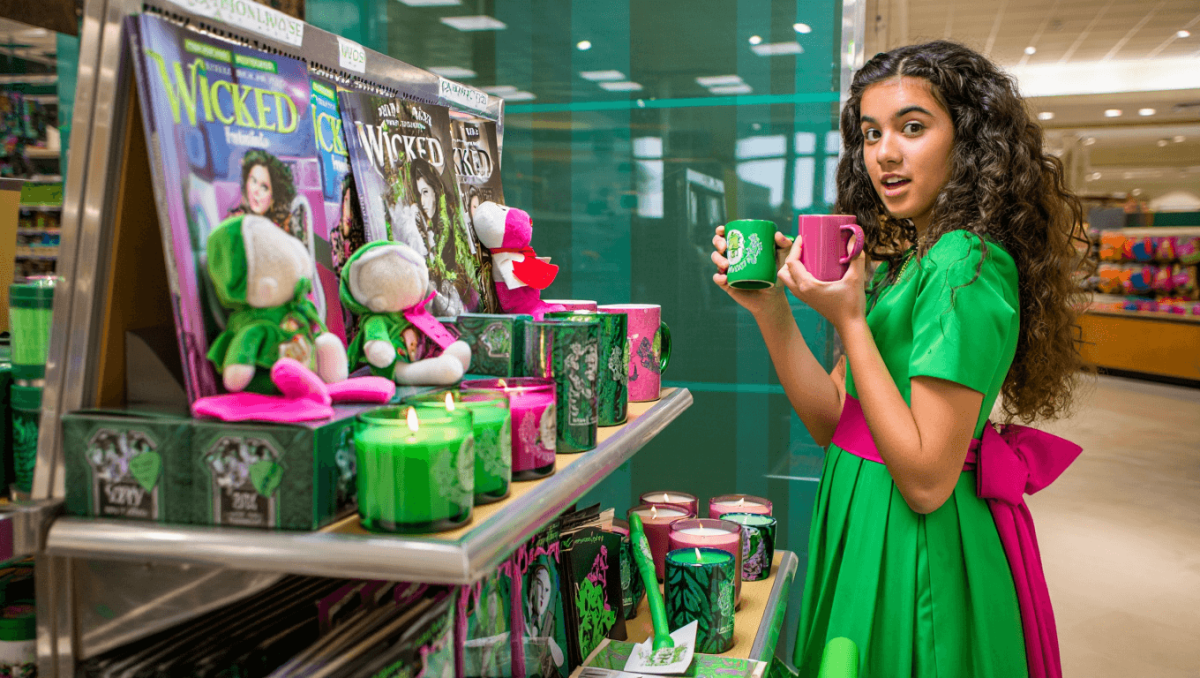
Universal Products & Experiences has expanded its licensing program to match the sequel’s buzz. This year the studio added more than 300 official licensing partners, and about half of them are new collaborators. Retail categories now span home, apparel, beauty, accessories and food.
Nickelodeon star arrested after alleged Malibu burglary
Euphoria season 3: Sydney Sweeney left off set as feud with Zendaya intensifies
The studio also staged a real-world activation in New York City. A free, immersive walk-through called “Wicked at Home” opened and quickly sold out on October 1. A shoppable virtual tour followed, letting fans buy items showcased in the experience.
According to the team leading the franchise strategy, the plan for the sequel was to deepen product lines that felt useful every day, not just decorative. Home goods got added focus, with new collections that aim to be functional and collectible.
Products that turn film moments into everyday items
Brands are designing pieces that let fans integrate the film into daily routines. Many releases riff on the two lead characters’ signature colors and personalities.
Notable categories and collaborations
- Home and kitchen: Pottery Barn, PB Teen, Le Creuset and Williams Sonoma launched seasonally themed collections.
- Fragrance and ambiance: Voluspa expanded its range with two new scents built around the sequel’s themes.
- Food and confectionery: Compartés created a 24-flavor chocolate advent calendar for the holidays.
- Hobbies and DIY: The Woobles partnered on a crocheting collection for craft enthusiasts.
- Snack and better-for-you bars: Trubar released limited-edition packaging for two popular flavors.
These items aim to be more than novelties. The strategy positions products as part of routines — from morning coffee to holiday gifting.
How partner brands are measuring success
For some companies, the tie-in has driven measurable growth. One fragrance brand said its initial Wicked collection was among the strongest launches of the year. All SKUs beat sales forecasts, and roughly 68% of purchases were from newly acquired customers.
That performance encouraged returning collaborations and new product pairs. This sequel offered an opportunity to introduce fresh scents and formats that reflect the film’s emotional arc.
Examples of brand outcomes
- Voluspa: Released two new fragrances timed to the sequel. One scent sold out during pre-sale and required rapid restocking. A dual-fragrance gift tin is nearing depletion.
- Bombas: Reintroduced a themed sock collection. The Ruffle Quarter Sock 4-Pack quickly became a best-seller among the drop items.
- Trubar: Used the license to relaunch two fan-favorite bars with character-driven packaging. The bars will reach major chains early in November.
Startups and legacy brands both find value in IP tie-ins
For smaller brands, a studio partnership opens doors to mass retail and new audiences. A protein-bar maker described this as its first major entertainment collaboration. The brand adapted two existing flavors into pink-and-green packaging tied to the film’s protagonists.
Established labels also benefit. Past examples show that well-timed film merch can create cultural relevance and sales momentum.
Organic style matches and unlicensed opportunities
Not every company needs an official license to ride the wave. An espresso machine maker recently launched a line in rosé and pistachio finishes. The colors resonated with fans who associated them with the film’s palette. The brand welcomed the organic connection and said it helped attract new customers.
Moments like these show how cultural events let products feel timely. Whether through licensed collections or complementary launches, brands are finding ways to join the conversation and reach different shopper groups.
Brand strategies: balancing fidelity and functionality
Merch teams say the trick is marrying faithful storytelling with useful design. Products must honor the film’s imagery while fitting into daily life. That approach guided collaborations across categories and price points.
- Design details such as exact shades and finishes are carefully controlled.
- Brands aim for items that fans will keep, not toss after the season.
- Tie-ins can introduce new buyers to brands that previously flew under the radar.
Examples of product storytelling and retail rollouts
A few specific launches show how detailed the tie-ins can be.
- Compartés launched a limited-run holiday calendar with two dozen unique chocolate flavors.
- A craft yarn partner released character-inspired crochet kits for hobbyists.
- Trubar’s bars use dual-color packaging to reflect both lead characters and will appear at Target, Safeway and Albertsons.
Marketing lessons from cinematic merchandising
Industry observers point to a broader trend in entertainment marketing: IP licensing can amplify exposure quickly. The success of past large-scale movie merchandising initiatives helped normalize ambitious cross-category rollouts.
At the same time, brands say they take care to keep the product useful. Fans want memorabilia, but retailers want repeat buyers. The best collaborations join those goals by creating items that are collectible and functional.