Show summary Hide summary
- From set plays to free-flow: Powell’s fit in Miami’s quick offense
- Miami’s pace advantage: numbers and impact
- How the system elevates teammates like Jovic and Jaquez
- Powell’s early production and what it means for Miami
- Roster context: Adebayo’s absence and team buy-in
- What to watch next: matchups and sustainability
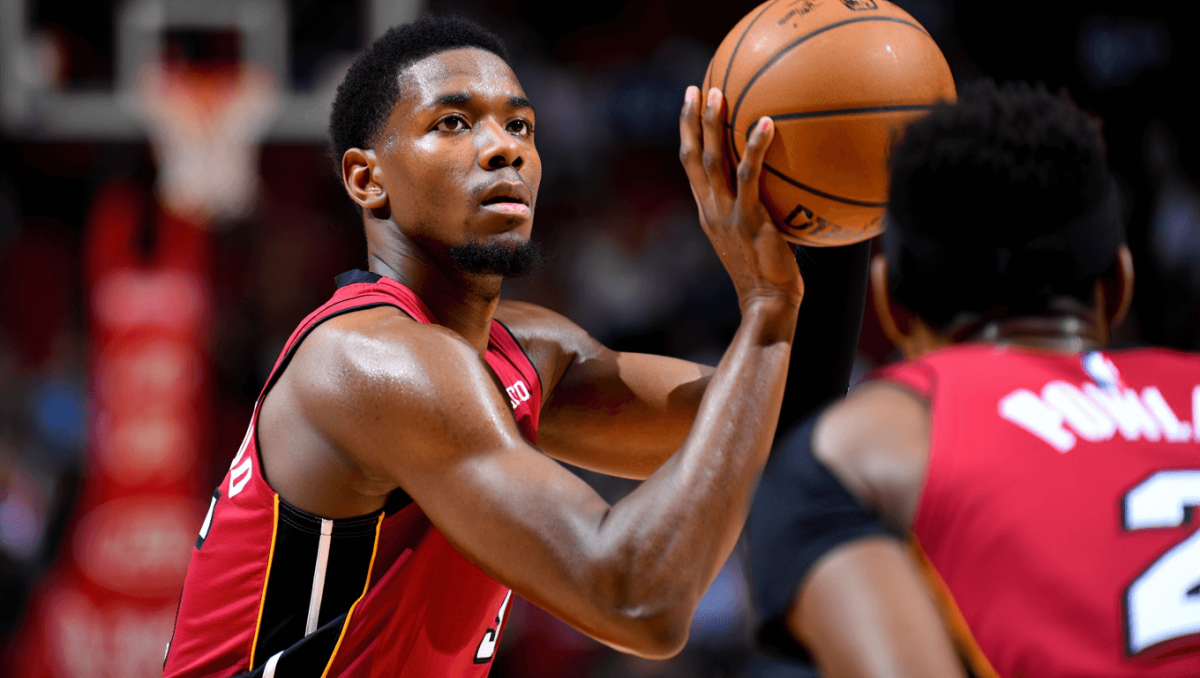
Norman Powell has found a new rhythm in Miami’s energized attack, and his early-season surge is turning heads. The veteran wing, recently acquired by the Heat, is thriving in a system built for speed and improvisation. His comfort with the offense explains why Miami has sprinted to the top of the league in pace and why the team looks different than the Clippers side he left behind.
From set plays to free-flow: Powell’s fit in Miami’s quick offense
Powell described the shift from Los Angeles to Miami as a major change in tempo and approach. With the Clippers, he often ran structured sets designed to free teammates and hunt mismatches. In Miami, the offense asks players to read the floor and react.
Arkansas’ Darius Acuff Jr. earns rare Kyrie Irving comp from Bill Simmons
Sean Penn awarded Oscar forged from war-damaged Ukrainian train: he skipped the ceremony
That freedom lets Powell attack in rhythm. He benefits from ball movement that forces defenses to scramble, then uses catch-and-shoot or catch-and-drive reads to create scoring chances.
What Powell gained
- More opportunities to shoot early in possessions.
- Plenty of open looks when defenses rotate.
- Chance to play instinctively rather than execute scripted actions.
Miami’s pace advantage: numbers and impact
Through 10 games, the Heat lead the NBA in pace with 106.95 possessions per 48 minutes. That marks a sharp departure from the slower style Miami used to employ and from the Clippers’ low-ranked pace in recent seasons.
The quick tempo has translated into scoring volume. Miami is averaging 124.1 points per game, one of the league’s highest marks, even if their offensive rating sits in the middle of the pack.
- Team pace: 106.95 possessions/48 minutes.
- Points per game: 124.1 (second in NBA).
- Offensive rating: 13th in the league.
How the system elevates teammates like Jovic and Jaquez
The Heat’s scheme empowers multiple initiators. Young forward Nikola Jovic has already produced eye-catching moments in Miami’s up-tempo sets. Jaime Jaquez Jr. has also benefited from the space and movement the offense creates.
Powell credits the fluid style for opening lanes and creating mismatches. When defenders commit to one threat, the next scorer can attack the gap or take a clean shot.
Benefits for role players
- Increased responsibility to bring the ball up and start offense.
- More chances for secondary cutters and shooters.
- Less predictability for opponents scouting set plays.
Powell’s early production and what it means for Miami
Statistically, Powell is delivering. He is averaging 23.3 points, 4.6 rebounds, and 2.4 assists per game.
- Field goal percentage: 46.7%.
- Three-point percentage: 46.2%.
- Notable trend: strong starts in first quarters, sparking Miami’s early offensive bursts.
Those numbers reflect both volume and efficiency. Miami’s fast pace creates more possessions and repeated scoring chances, and Powell has taken full advantage.
Roster context: Adebayo’s absence and team buy-in
Bam Adebayo has missed the last two games with a toe issue. The Heat still won both contests as the roster embraced the new offensive identity.
Coaches and players appear committed to keeping the quick style, rather than reverting to heavy pick-and-roll sets. That buy-in has aided younger players and veterans alike.
What to watch next: matchups and sustainability
Miami aims to maintain its high-tempo approach when it faces the Cleveland Cavaliers next. Key indicators to monitor include:
- Whether the team preserves efficiency at a rapid pace.
- How opponents adjust to Miami’s ball and body movement.
- Powell’s role as a primary scorer and off-ball threat over a long stretch.
If Powell and the supporting cast keep producing, Miami’s transformation could remain a defining storyline early this season.