Show summary Hide summary
- Rampant cancellations and long backups rocked airports
- FAA imposes mandatory flight cuts at major airports
- Controllers working without pay, staffing levels fall
- Safety signals shape FAA decisions
- Small improvements, but fragility remains
- What reopening the government would change — and how fast
- Thanksgiving travel season raises stakes
- Practical steps for travelers during the shutdown
Air travelers across the United States faced a volatile weekend of delays and mass flight cancellations as a partial government shutdown strained the aviation system. As lawmakers inch toward reopening the federal government, officials warn that disruptions could escalate unless the impasse ends quickly.
Rampant cancellations and long backups rocked airports
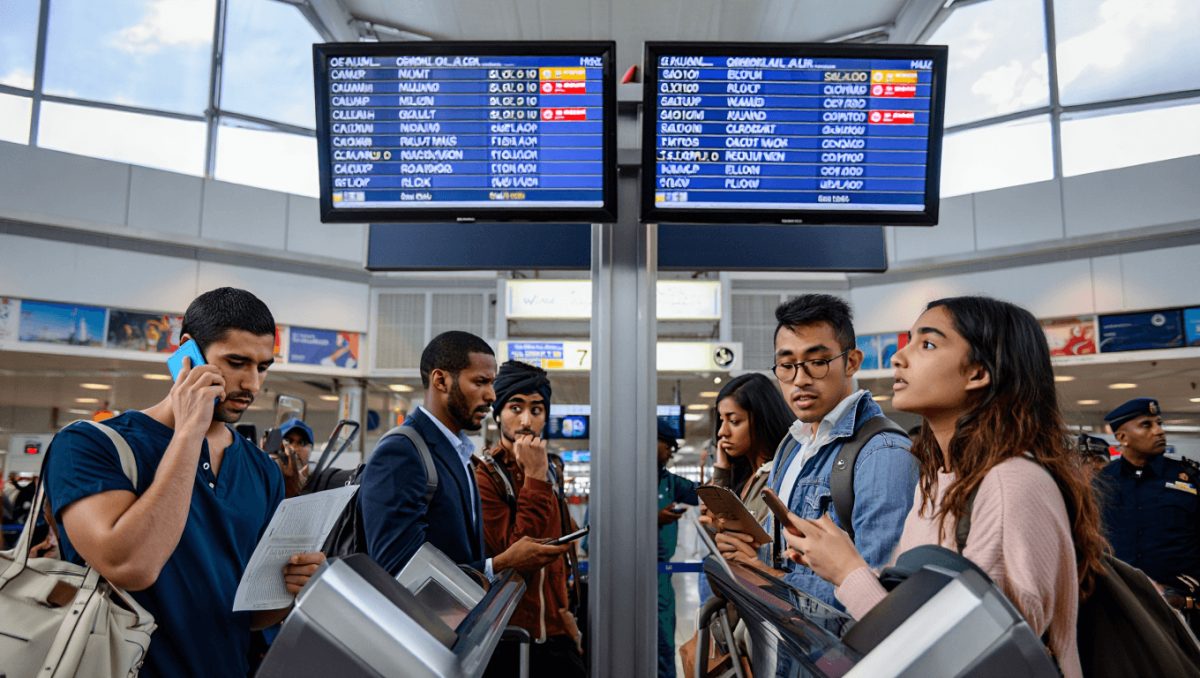
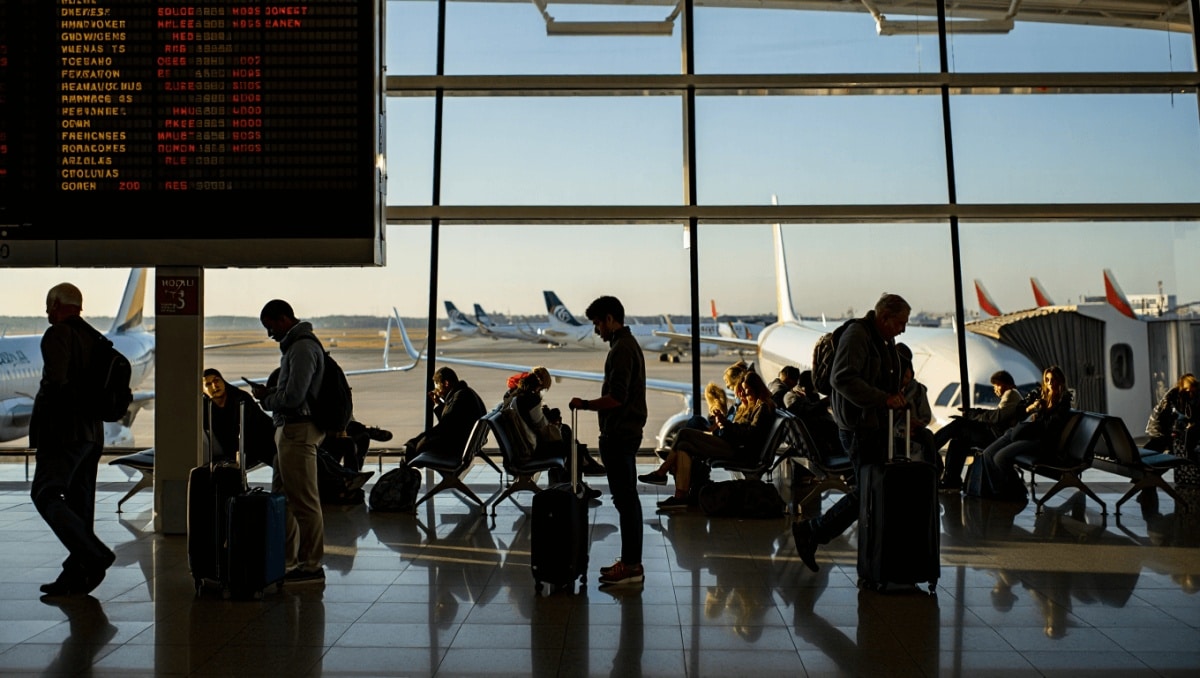
Short-staffed air traffic facilities produced long ground holds and airborne backups over the weekend. The result was a surge in cancellations that left thousands of passengers stranded.
Christina Haack stuns in cream crochet bikini: responds to fourth engagement rumors
Knicks superfan Ben Stiller skips Oscars to watch gritty win over Warriors
- Widespread disruption: Major hubs experienced hourslong queues on runways and in clearance towers.
- Flight tracking services logged far higher cancellation totals on Saturday and Sunday than on a normal weekend.
- Airlines and airports scrambled to rebook travelers and manage long lines at gates.
FAA imposes mandatory flight cuts at major airports
To reduce pressure on traffic control centers, the Federal Aviation Administration has ordered carriers to trim schedules at the busiest airports.
Planned reduction schedule
- Weekend: airlines were asked to cut about 4% of flights at select hubs.
- Tuesday: required cancellations rose to roughly 6% at 40 major airports.
- Thursday: caps were set to increase to 8%.
- Friday: reductions were scheduled to reach 10%, which would mean thousands of additional daily cancellations.
These limits are intended to ease controller workload and lower the risk of congestion-related incidents.
Controllers working without pay, staffing levels fall
Air traffic controllers have been working without pay since the shutdown began, and many called out sick as the strain mounted. That absenteeism reduced operational capacity at multiple facilities.
- Some towers and centers reported increased sick leave and fewer personnel on key shifts.
- Facilities that manage heavy volume became especially vulnerable to delays when staff numbers dipped.
Safety signals shape FAA decisions
FAA leaders say safety-related data has influenced the agency’s caution. The administration noted a rise in runway and airborne incidents that warranted stricter schedule controls.
Transportation officials also warned that continued funding gaps could trigger more dramatic steps. Agency leaders suggested that if staffing and safety metrics do not improve, airlines might consider further measures to protect operations.
Small improvements, but fragility remains
By midweek there were signs the system had steadied slightly.
- Fewer flights were canceled on Tuesday than during the weekend peak.
- One independent tracker showed roughly 1,200 cancellations that day, far lower than prior days.
- The FAA recorded a steep drop in “staffing triggers” — a measure of when shortages threaten service — from dozens over the weekend to just a handful by late afternoon.
Still, aviation insiders caution that stability is fragile and dependent on staffing returning quickly.
What reopening the government would change — and how fast
Officials say a restored budget would allow payroll checks to flow to furloughed workers. That could prompt many controllers to return to duty, but the timeline for lifting FAA restrictions is not fixed.
- If funding resumes, paychecks could be issued within 48 hours, according to agency statements.
- Even after pay resumes, the FAA says it will monitor safety and staffing data before restoring normal operations.
- That means schedule caps may remain in place until the agency is confident the system can handle full traffic without increased risk.
Thanksgiving travel season raises stakes
The approaching holiday spike increases urgency for a rapid recovery. Airlines, airports, and travelers face a compressed timeline to rebuild normal schedules ahead of one of the busiest travel weeks of the year.
Airline and aviation experts expect some rebound if pay is restored. But they also warn of lingering ripple effects as carriers and crews adjust to changed rosters and aircraft rotations.
Practical steps for travelers during the shutdown
- Check your flight status frequently before heading to the airport.
- Keep receipts if you incur extra expenses; airlines may offer refunds or vouchers.
- Consider flexible rebooking options and enroll in airline alerts.
- Allow extra time at airports for longer lines at gates and security.
- Prepare backup plans for critical trips, including alternate routes or dates.