Show summary Hide summary
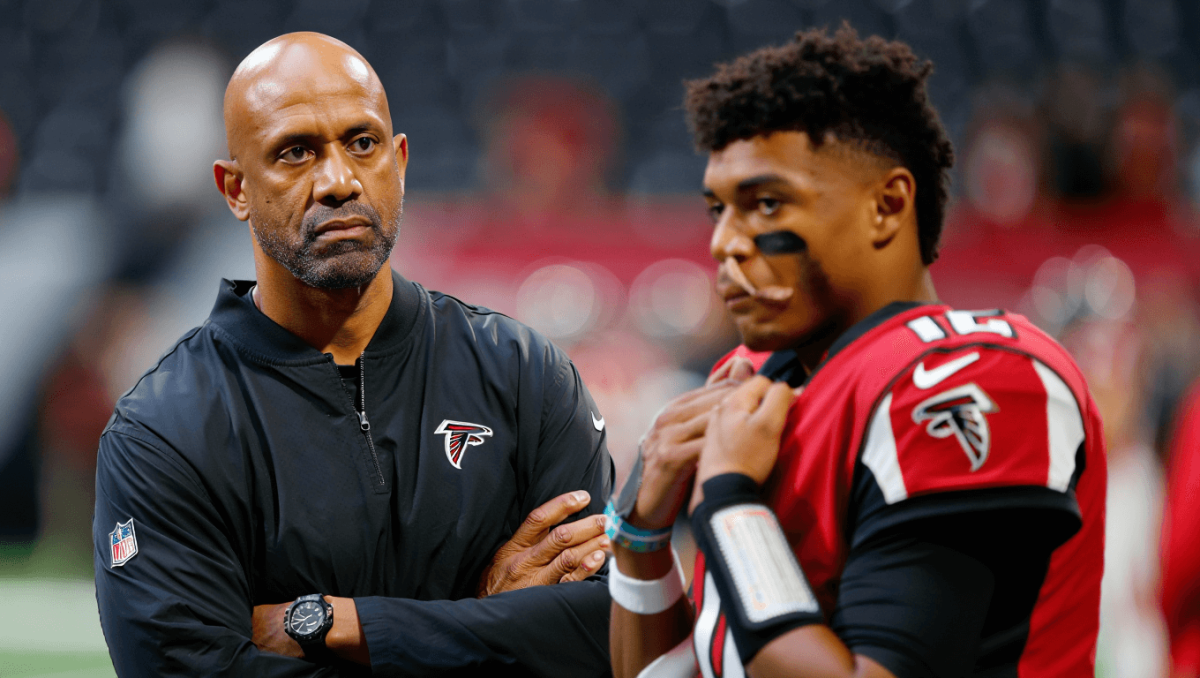
The Atlanta Falcons left Berlin with a gutting overtime defeat, and the spotlight immediately turned to quarterback Michael Penix Jr. Coach Raheem Morris tried to close the matter with steady praise, but the postgame exchange left reporters and fans wanting more clarity. As Atlanta slips to three straight losses, every comment from the sideline takes on added weight.
Why Raheem Morris defended Michael Penix Jr. after the loss
Morris faced reporters shortly after the final whistle and offered a clear line of support for his starter. He stressed Penix’s competitiveness and resilience rather than breaking down the mistakes of the afternoon. Reporters pressed for specifics, but Morris kept returning to the same theme: he believes in the quarterback’s habit of battling through tough games.
United Polaris Studio suites: tickets now on sale for April inaugural flights
Auston Matthews-Radko Gudas controversy: Pierre LeBrun predicts fallout
The tone of Morris’ answers suggested faith, not detailed evaluation. That stance came as the team tries to sort out a mix of missed opportunities and execution issues.
How Penix performed — play-by-play and numbers
Penix’s box score shows an uneven outing, but it doesn’t tell the whole story. He connected on several sharp throws that did not lead to points because of drops and pressure. He also endured physical contact that led to turnovers.
Key game statistics
- Completions/Attempts: 12-of-28
- Passing yards: 177
- Touchdowns: 1
- Sacks: 3, including one that resulted in a fumble
Atlanta deliberately balanced their offensive play-calling. The Falcons split rushing and passing attempts roughly evenly, aiming to keep the Colts off balance. That plan elevated the running game and reduced the volume of throws the quarterback had to make.
The ground game and why Jonathan Taylor mattered most
The decisive edge came on the ground for Indianapolis. Jonathan Taylor delivered a dominant performance that the Falcons simply could not contain. His punishing runs and late-game explosiveness shifted momentum and ultimately decided the outcome in overtime.
- Rushing attempts: 32
- Rushing yards: 244
- Touchdowns: 3, including an overtime winner
- Long run: 83 yards
While Atlanta’s secondary made plays in the passing game and the defense generated turnovers, the team’s run defense failed to clamp down when it mattered. That mismatch turned a game that could have stayed tight into an overtime loss for the Falcons.
Who else made an impact and what the film shows
Atlanta leaned on its backfield tandem to keep drives alive. Bijan Robinson and Tyler Allgeier combined for key rushes and helped control the clock. Their efforts produced momentum swings and gave Penix cleaner looks at times.
Still, drops and pressure limited several potential turning points. A handful of catchable balls fell to the turf. Multiple sacks and one costly fumble changed field position at critical moments. Those elements, more than a single play, added up.
Storylines to watch before the Falcons face Carolina
- Quarterback evaluation: Will Penix face more scrutiny as the team reviews decision-making and pocket presence?
- Run defense: Can the Falcons shore up gap responsibility ahead of Week 11?
- Ball security: How will the coaching staff address sacks that lead to turnovers?
- Receiver consistency: Will drops be a recurring issue or an anomaly?
Atlanta now turns its attention to a divisional meeting with the Carolina Panthers. That game will be another chance for the Falcons to test the balancing act they tried in Berlin. Personnel decisions and play-calling adjustments are likely to dominate the week of practice.