Show summary Hide summary
- Controversy over the judges’ scores rattles viewers
- Podcast voices and insiders question fairness
- Who benefited and who didn’t on elimination night
- Repeated patterns: past DWTS moments that echo today
- How social media and casting choices changed the game
- Judges, fame, and the reality-show dynamic
- Ratings climb as drama heats up
- High-profile exits and the social-media effect
- Carrie Ann’s response and the judge’s public posture
- Behind the scenes: producers and pressure points
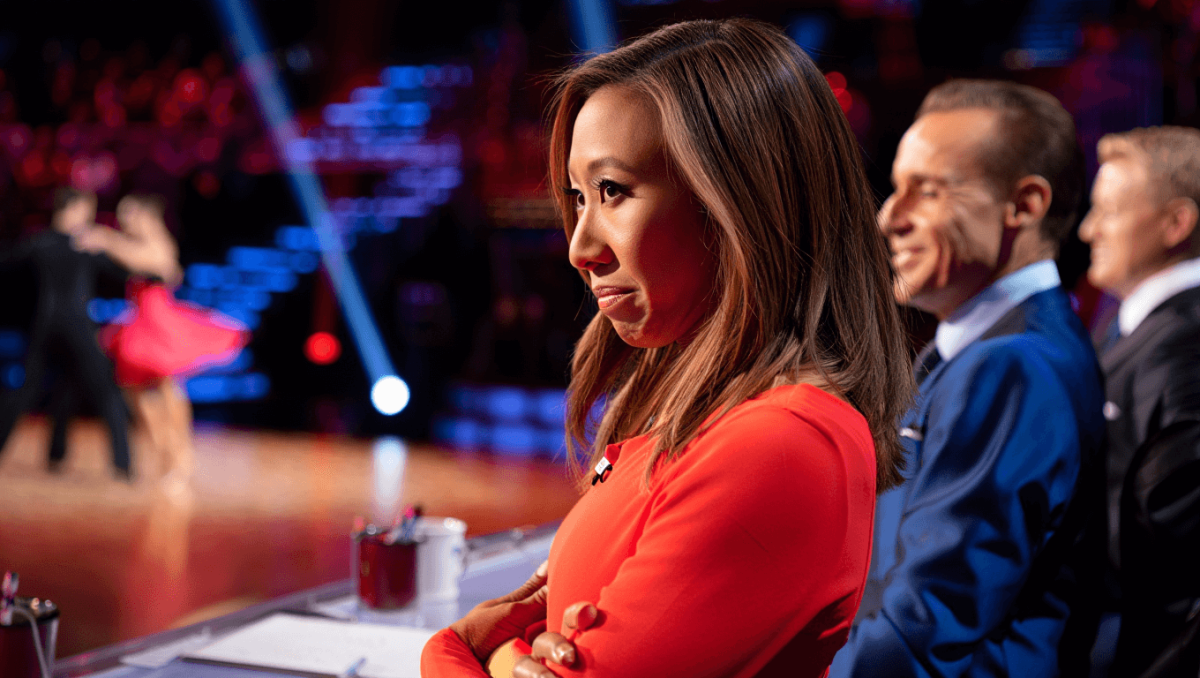
Tuesday night’s elimination on Dancing With The Stars sparked an online firestorm after contestant Danielle Fishel and partner Pasha Pashkov were sent home. Fans and insiders accused judge Carrie Ann Inaba of unfair treatment, turning a routine exit into a heated debate about bias, judging standards, and the influence of fandoms on the competition.
Controversy over the judges’ scores rattles viewers
Social media lit up immediately after Fishel’s exit, with many viewers convinced the judging panel treated her more harshly than other contestants. Observers pointed to inconsistencies in feedback and scores as signs that the judges were not applying a level playing field.
United Polaris Studio suites: tickets now on sale for April inaugural flights
Auston Matthews-Radko Gudas controversy: Pierre LeBrun predicts fallout
Critics say Inaba’s comments felt targeted. Fans compared her critiques of Fishel to the gentler tone she uses with certain contestants. That perceived double standard quickly became a central gripe online.
Podcast voices and insiders question fairness
Former Boy Meets World co-stars and podcast hosts weighed in, suggesting the scoring may reflect personal preferences as much as technical evaluation. Co-hosts argued that Fishel’s improvement and effort didn’t match the critiques she received.
- Podcast hosts highlighted what they saw as harsher language toward Fishel.
- Industry insiders noted that some contestants appear to get more lenient feedback.
- Fans called the elimination a sign of favoritism rather than objective judging.
One insider told Page Six that judges often apply different standards depending on the contestant. That inconsistency is the core complaint fueling the backlash.
Who benefited and who didn’t on elimination night
Comedian Andy Richter advanced past the vote while Fishel was eliminated, a result that intensified fan scrutiny. Viewers pointed out that if the judges were strictly objective, contenders like Richter would face the same level of critique.
The show’s format combines judge scores with audience votes. That mix often creates contentious outcomes when fan sentiment and judge evaluations diverge. Social media users argued the outcome on Tuesday reflected that split.
Repeated patterns: past DWTS moments that echo today
This is not the first time Carrie Ann Inaba has been accused of uneven judging. Several prior seasons produced similar complaints, where fans felt certain celebrities received friendlier treatment.
- Last season, a strong Viennese waltz performance drew criticism rather than praise.
- Ariana Madix was not awarded a perfect score one season, prompting boos from the audience.
- Contestants like Hannah Brown and others publicly reacted to feedback they found discouraging.
Fans remember past incidents and often cite them during new controversies, arguing a pattern is emerging rather than an isolated occurrence.
How social media and casting choices changed the game
Producers increasingly cast contestants with built-in followings. That shift has energized younger viewers and made audience voting more consequential.
A source familiar with casting said the show now balances athletes, recognizable celebrities, and social-media stars. This approach maximizes engagement but also raises the stakes when fans defend their favorites online.
More fans watching and voting means more pressure on judges. In the social-media era, critiques that once landed as professional comments can now trigger wide backlash.
Judges, fame, and the reality-show dynamic
Veterans of the ballroom have spoken about the difficulty of judging under intense public scrutiny. Some say they must balance honest appraisal with awareness of audience reactions.
One former pro criticized feedback that felt vague and not constructive. Others argue that blunt commentary is part of the job, even if it rubs fans the wrong way.
Ratings climb as drama heats up
Despite the controversy, the season has seen a climb in viewers. A themed episode drew 6.63 million viewers in same-day figures, the largest audience since the early pandemic seasons.
The show is winning younger viewers, with improved ratings in the 18-to-49 demographic. For network executives, controversy and online debate can translate into higher tune-in numbers.
High-profile exits and the social-media effect
Notable eliminations in recent years underscore how quickly public sentiment can sway a contestant’s run. Celebrities with already polarized public profiles often face intense online commentary.
- Some contestants with large followings survive despite mixed scores.
- Others with controversial pasts have been booted early amid fan backlash.
- Producers balance casting to create a mix that will generate conversation.
Former contestants have described the social-media response as harsher than anything they experienced during filming. Online audiences can accelerate an exit or turn a critique into a national talking point.
Carrie Ann’s response and the judge’s public posture
Amid the criticism, the judge has taken a lighter, self-aware tone online. A recent social post showed her leaning into humor to deflect the negativity.
Some allies say judges must remain candid to protect the show’s integrity. Others believe more measured language would reduce the perception of bias.
Behind the scenes: producers and pressure points
Sources say production choices factor into how the show navigates controversy. Casting adjustments and the prominence of social-media stars reflect changing viewer habits.
Insiders note judges face two competing aims: be honest about performances and avoid alienating engaged fan blocs that drive votes.
The tension between those goals helps explain why DWTS moments often become viral debates.