Show summary Hide summary
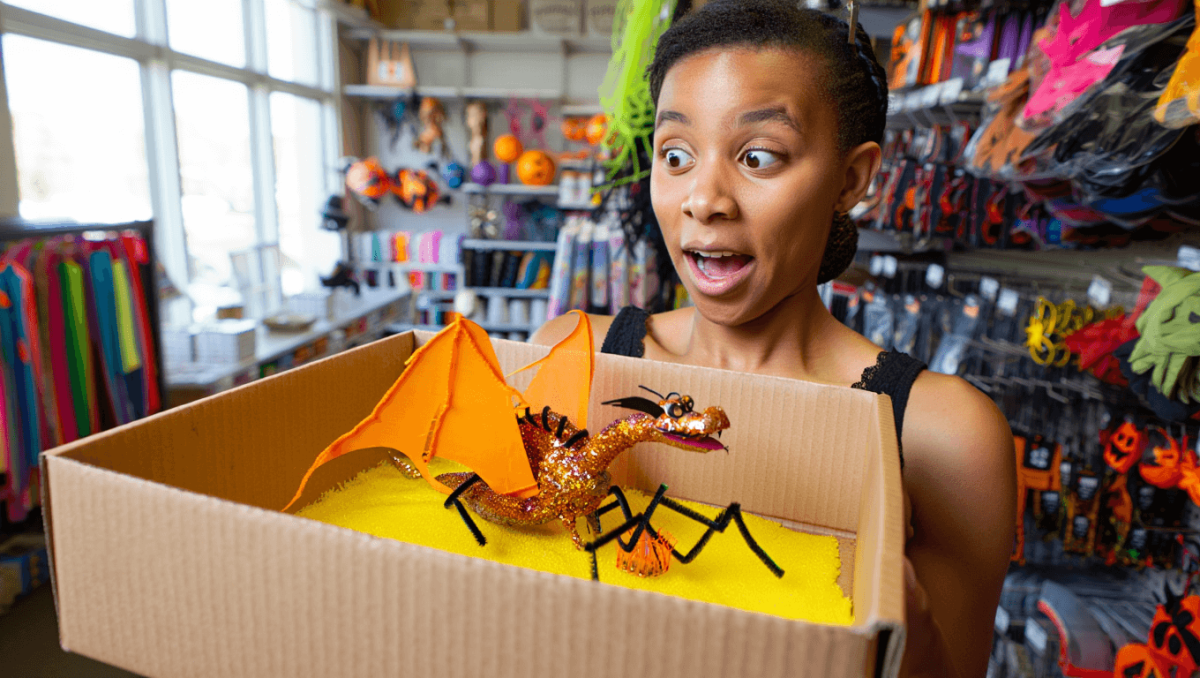
Parents and craft stores are reporting a surge in imagination this Halloween season. Families are turning everyday kids’ basics into elaborate costumes, and retailers from small brands to big chains are adjusting to growing demand for DIY solutions.
Primary’s playbook: turning joggers and tees into costume gold
Primary, the decade-old children’s clothing label known for vivid colors, has become a go-to resource for DIY Halloween looks. The brand’s assortment of joggers, leggings, hoodies and tees lends itself to easy costume-building.
Arkansas’ Darius Acuff Jr. earns rare Kyrie Irving comp from Bill Simmons
Sean Penn awarded Oscar forged from war-damaged Ukrainian train: he skipped the ceremony
The company curated a Halloween hub with more than 500 costume ideas, covering timeless choices like ghosts and unicorns and pop-culture nods from current hits. That content and product mix helped drive an early bump in sales.
- $3.5 million in seasonal sales so far, up about 30% year-over-year.
- Halloween-themed clothing and PJs showing an 80% increase versus last year.
- More than 200,000 visits to the DIY costume landing page.
Co-founder Galyn Bernard frames the strategy around practicality and longevity. Parents can add simple accents to everyday pieces, then reuse the clothes afterward. The approach both saves money and reduces waste.
Personalized help: how a free costume concierge works
Primary offers a complimentary costume concierge for parents with out-there ideas. Customers contact the team by text, phone or email and get step-by-step guidance for building specific looks.
Requests this season have included quirky items such as a soft pretzel, a garbage truck and an astronaut who fishes. The concierge also helps recreate branded or niche references, like a cordless vacuum or a fast-food wrap.
These custom projects feed social content and engagement. A DIY butterfly tutorial has reached more than 111,800 views, and a how-to for a Labubu costume has drawn over 10,000.
Why DIY is climbing: money, meaning and microtrends
Several forces are pushing families back to homemade costumes. Budget-conscious shoppers want alternatives to single-use outfits. Others want sustainable choices or highly specific character references that mass-market costumes don’t offer.
Data from the National Retail Federation points to a robust holiday: total Halloween spending is projected near $13.1 billion, with about 71% of consumers planning costume purchases. That equates to roughly $4.3 billion on costumes alone.
Katie Thomas of the Kearney Consumer Institute says short-lived pop-culture hits and TikTok trends are encouraging niche looks. When trends emerge quickly, pre-made options can’t always keep pace, so shoppers turn to thrift stores, Etsy or DIY.
Craft retailers seeing the bump
Michaels reports a clear rise in DIY intent. A recent customer survey found 60% plan to make their own costumes, up from 53% last year. Cost savings and the satisfaction of hands-on projects were top reasons.
The company’s purchase of fabric and sewing brands from Joann helped expand offerings just as demand rose. Michaels is seeing strong growth across multiple categories:
- Fabric sales up 270% versus last year.
- Searches for “Halloween fabric” rose about 290%.
- Interest in “DIY Halloween” climbed roughly 128%.
Executives note that demand often spikes in the two weeks leading up to the holiday. Many shoppers leave costume work to the final stretch.
Practical tips for fast, sustainable DIY costumes
Simple planning makes a DIY approach manageable and eco-friendly. Consider these practical tips retailers and parents are recommending:
- Start with neutral basics—joggers, leggings, hoodies and tees—to build multiple costumes.
- Choose reusable accents like fabric patches, removable capes or clip-on accessories.
- Stock up on versatile supplies: foam, fiber fill, fusible webbing, zippers and sewing kits.
- Shop secondhand or marketplace platforms for unique pieces that won’t break the bank.
- Use social platforms for quick inspiration and step-by-step tutorials.
- If stuck, try a concierge or local maker for tailored advice.
Timing tip: expect the heaviest demand in the fortnight before Halloween. Buying or starting projects earlier eases stress.
What retailers are learning from the DIY surge
The uptick in homemade costumes is reshaping inventory and marketing. Brands highlight core basics that can be repurposed. Craft stores expand fabric and sewing assortments. Marketplaces and thrift channels become vital sources for one-off looks.
Retailers also notice increased engagement from offering help and inspiration. Tutorials and concierge services don’t just sell products. They create content that attracts repeat visits and social sharing.