Show summary Hide summary
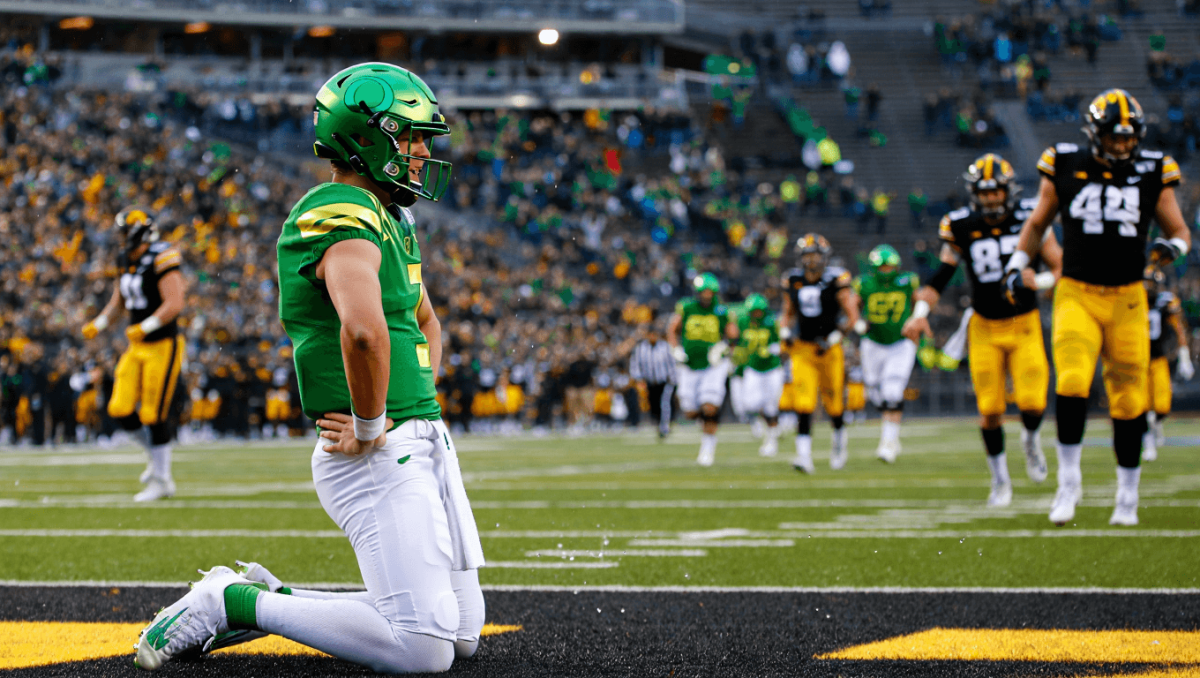
The Oregon Ducks survived a rain-soaked, grind-it-out battle at Kinnick Stadium, edging Iowa 18-16 in a game that looked more like a Midwestern trench war than Oregon’s usual highlight reel. The win played out as a test of physicality and discipline — a performance that could ease questions about how the Ducks will fare in the Big Ten’s more rugged style of play.
How the game unfolded in Iowa’s bruising conditions
Saturday night’s contest turned into a defensive chess match. Wind and rain limited passing, forcing both teams to lean on their ground games and tackling fundamentals. Oregon answered the conditions better. The Ducks churned out yards on the ground and tightened up in the red zone when it counted most.
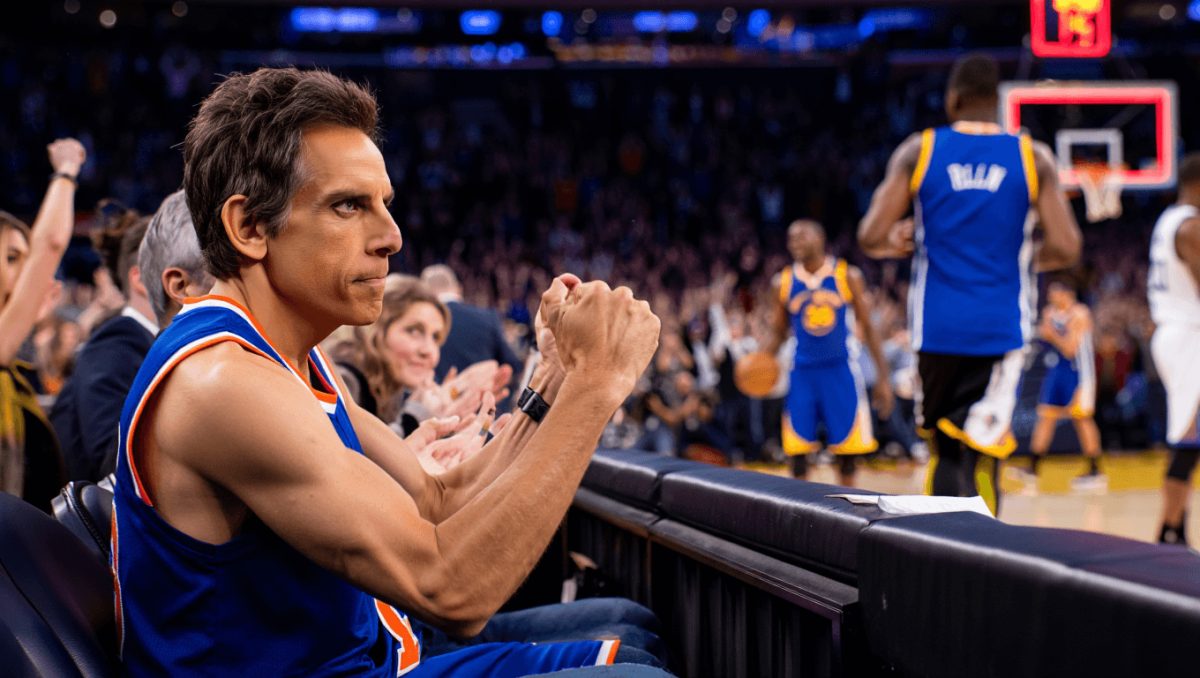
Knicks superfan Ben Stiller skips Oscars to watch gritty win over Warriors
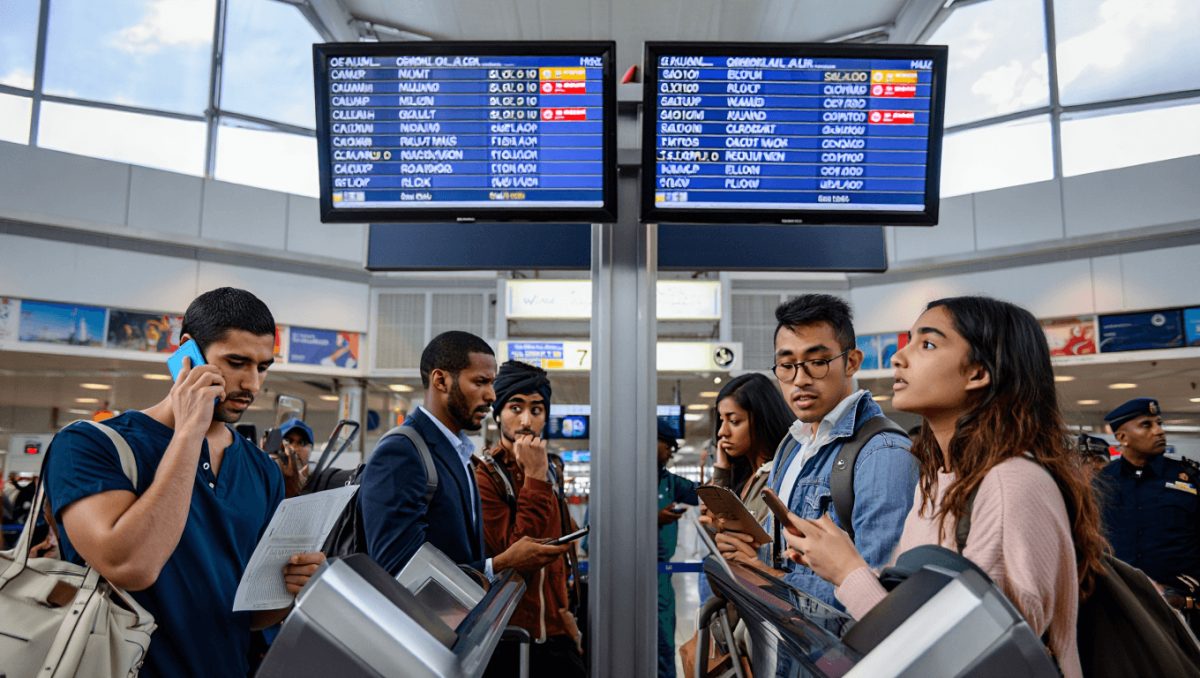
U.S. embassies warn: 5 new travel alerts after demonstrations spread
Key moments that decided the score
- Late, decisive field goal: Kicker Atticus Sappington split the uprights from 39 yards with three seconds left to put Oregon ahead.
- Crucial drive engineering: Quarterback Dante Moore marshaled a 10-play march to set up the game-winning kick.
- Defensive stops: Iowa was held to two yards per carry and left several third-down chances unconverted.
Run-first approach: Oregon’s offense adapted
With key pass-catchers unavailable, the Ducks shifted gears. Instead of chasing explosive plays, they leaned into a physical run game that wore down Iowa’s front. Oregon finished with 261 rushing yards at 7.3 yards per carry, a surprising stat line against a team built on ball-control football.
- Noah Whittington paced the ground attack with 118 yards.
- Three backs rotated to keep fresh legs on the field.
- Dante Moore contributed on the ground when the playbook tightened.
Bryce Boettcher and Oregon’s defensive backbone
Linebacker Bryce Boettcher was the defensive steadying force. He has been a tackling machine all season and added big stops in tight moments on Saturday. His presence helped limit Iowa to just 239 total yards and neutralize the Hawkeyes’ trademark power runs.
Boettcher’s season-long production — leading the team with 71 tackles — has earned national attention. His play in this game underlined why he remains a top candidate for defensive accolades and why the Ducks’ front seven can be trusted in bruising matchups.
Missing weapons and the team’s collective response
Oregon entered the game without its leading receiver and a starting tight end. Those absences forced a tactical pivot and more reliance on physical football. Rather than panic, the roster responded.
- Offensive line surged in the second half.
- Backup receivers and tight ends absorbed more snaps and limited mistakes.
- Special teams delivered in a pressure moment with Sappington’s kick.
What the victory means for Oregon’s Big Ten trajectory
The win moves Oregon to 8-1 overall and 5-1 in Big Ten play, vaulting them to No. 9 in the College Football Playoff rankings. It also offered an early proof point for skeptics who wondered how a program built on tempo and burst would handle classic Big Ten football.
Oregon’s schedule now turns to Minnesota next Saturday, followed by home matchups with USC and Washington. Each game will pose different challenges, but the Ducks leave Iowa with a renewed sense that they can grind out wins when circumstances demand it.