Show summary Hide summary
- Leaked demo reignites old questions about the original vocals
- Fan reactions: from amusement to criticism
- Why Drew Seeley’s voice appeared on screen
- Insights from those involved in the production
- How the franchise evolved musically after the first film
- Timeline and evidence shown in the leak
- Publicity and responses from Efron’s camp
- What the debate says about nostalgia and pop culture provenance
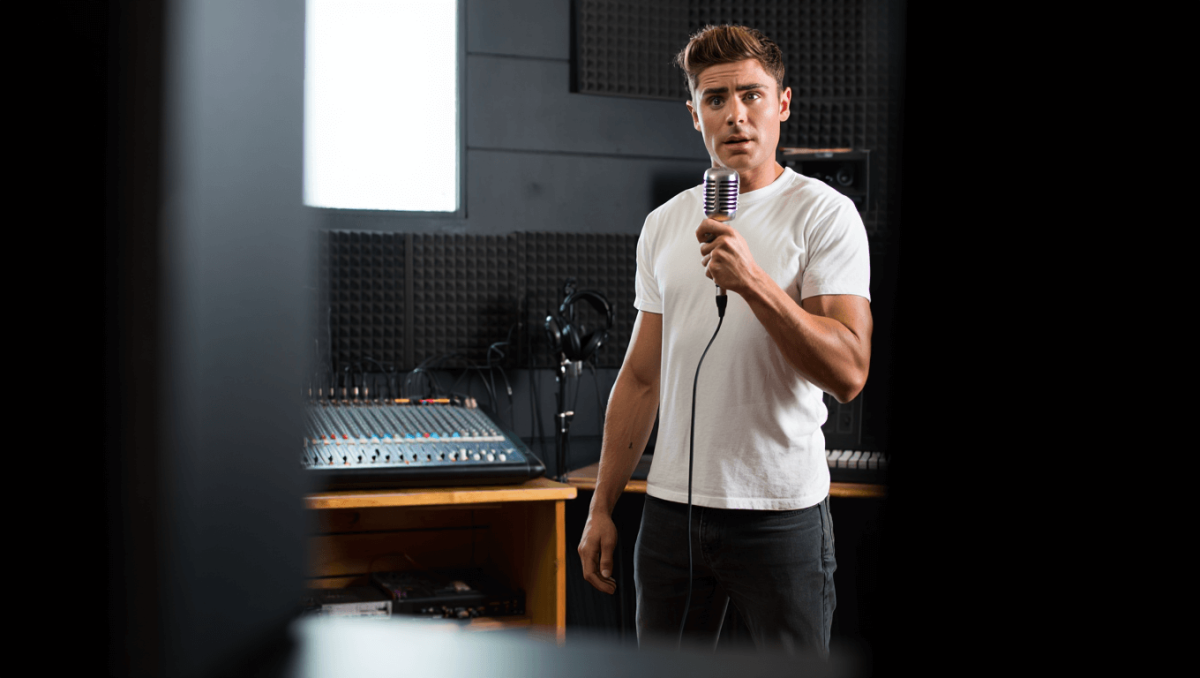
Footage purporting to capture Zac Efron’s early singing on the 2006 High School Musical soundtrack erupted online this week, reigniting debate about who actually sang Troy Bolton in the Disney hit. The clip, billed as a June 2005 demo, has drawn both curiosity and scorn as fans listen again to a voice many assumed was Efron’s from the start.
Leaked demo reignites old questions about the original vocals
A short video circulating on X claims to be an early studio take of the song “Get’cha Head in the Game,” the track that plays during the film’s basketball scene. The clip includes moments of different adlibs and an unfinished instrumental track, suggesting it predates the final movie mix.
United Polaris Studio suites: tickets now on sale for April inaugural flights
Auston Matthews-Radko Gudas controversy: Pierre LeBrun predicts fallout
The post sparked instant reaction because the lead role of Troy Bolton is forever linked to Zac Efron on screen, yet the franchise’s first film used another performer’s voice for several songs.
Fan reactions: from amusement to criticism
Responses ranged from amused nostalgia to sharp critique. Many who grew up with the franchise said the demo sounded rough compared with the polished soundtrack they remember.
- Some listeners praised Efron’s progress, noting his later singing felt stronger.
- Others were blunt, calling the demo messy and questioning the choice to use it publicly.
- A number of fans reiterated why Drew Seeley provided the final vocal tracks for the first film.
Comments on social media were direct, with some crediting Seeley for the version that defined their childhood sing-alongs.
Why Drew Seeley’s voice appeared on screen
Although Zac Efron performed the role of Troy Bolton in the film, the singing heard in several HSM tracks was supplied by Drew Seeley. Industry sources and later interviews explain this was a creative decision made during production.
The demo’s resurfacing has reminded many viewers that the cast’s vocals were sometimes blended, dubbed, or augmented in post-production to fit the musical arrangements.
Insights from those involved in the production
Director Kenny Ortega has addressed the decision in past interviews. He said the songs were written before Efron was cast, which influenced the final vocal choices.
Ortega noted the team recorded Zac singing every song, then chose to layer or replace parts to give the soundtrack more vocal power. He emphasized that subsequent sequels were tailored more directly to Efron’s own voice.
Drew Seeley’s perspective
Seeley, who auditioned for Troy, has said he bears no ill will toward Efron. He acknowledged age and casting dynamics played a role in producers’ decisions.
Seeley also shared that Disney never fully explained why his voice was chosen in places, calling that lack of clarity “a mystery” he has lived with for years.
How the franchise evolved musically after the first film
The musical approach shifted in later installments. When High School Musical 2 and High School Musical 3 were produced, the songs were reportedly written with Efron’s voice in mind.
- HSM2 and HSM3 featured Efron’s own vocals more prominently.
- By Hairspray (2007), he also sang his parts on screen.
The change underlines how the creative team adapted once the actor and the franchise became established musical contributors.
Timeline and evidence shown in the leak
- Demo dated June 2005 surfaced on social networks.
- Video includes the basketball sequence and earlier vocal takes.
- Listeners compare demo to released soundtrack and note differences.
Audio differences involve adlibs, vocal tone and instrumental polish. Those details suggest the clip could be an early studio session rather than the final mix heard in theaters.
Publicity and responses from Efron’s camp
As of this posting, representatives for Zac Efron have not publicly commented on the demo’s authenticity. Media outlets have reached out for clarification, but no official statement has been released.
In the absence of a formal reply, conversation continues online, mixing nostalgia with fresh scrutiny of how pop-musical films are produced and promoted.
What the debate says about nostalgia and pop culture provenance
The resurfacing of early material exposes how layered movie musicals can be. Fans remember the final soundtrack, but production choices often remain hidden.
Reveals like this invite new debate about credit, performance and the realities of creating a commercially successful musical for a young audience.