Show summary Hide summary
- Sony picks up Labubu rights amid global toy craze
- How Labubu became a worldwide phenomenon
- Origins: the art and stories behind the toys
- Pop Mart’s strategy and the rush to monetize
- The blind-box model and collector frenzy
- Pop culture reactions and the spotlight
- Toy-to-screen track record: risks and rewards for studios
- What we know now and what remains unclear
Sony has quietly acquired the screen rights to Labubu, the plush monster toys that exploded into a global obsession. The deal marks another studio bet on collectible brands, but details remain slim and creative teams have not been attached.
Sony picks up Labubu rights amid global toy craze
Industry outlets report Sony closed a deal to secure adaptation rights for Labubu this week. There is no word yet on whether Sony will go live-action or animated. The studio declined to comment when approached by reporters.
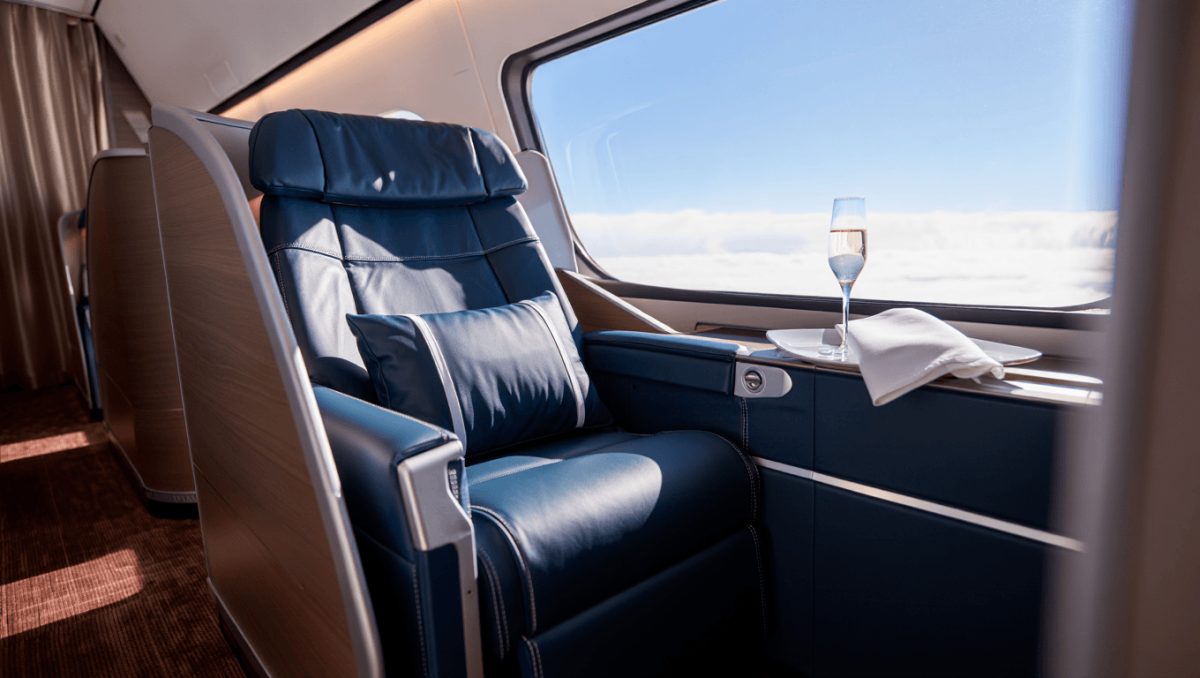
United Polaris Studio suites: tickets now on sale for April inaugural flights
Auston Matthews-Radko Gudas controversy: Pierre LeBrun predicts fallout
The move comes as studios increasingly mine popular toy lines for film and TV content. Labubu adds to a growing list of small-scale brands being eyed for big-screen storytelling.
How Labubu became a worldwide phenomenon
Labubu are tiny plush monsters with oversized anime eyes and sharp little teeth. Their design blends cuteness and mischief in a way that appeals to collectors and pop culture fans.
The toys gained a major boost when K-pop star and actor Lisa publicly endorsed them. Her attention helped push Labubu from a regional hit to an international trend.
Origins: the art and stories behind the toys
The Labubu characters began as art by designer Kasing Lung. The artist drew inspiration from Nordic myth and reimagined those tropes through a whimsical lens.
In 2015 Lung introduced Labubu within a set of short stories titled Monsters. Those physical books are now out of print, but they provide a narrative seed for any adaptation.
Pop Mart’s strategy and the rush to monetize
Pop Mart, the Chinese company behind the dolls, announced plans this year to build an internal film unit. The aim is to capitalize quickly on the craze.
- In-house film unit to speed production
- Merchandising and cross-media tie-ins
- Potential use of generative AI for rapid content creation
Industry observers note that a Chinese studio could use AI tools to accelerate production timelines. An American studio project would likely follow more traditional pipelines.
The blind-box model and collector frenzy
Labubu’s popularity is tied to a blind-box sales model. Buyers don’t know which character they’ll pull from the package.
Why blind boxes fuel obsession
- Rarity drives resale prices.
- Hunting creates community and secondary markets.
- Social media amplifies rare reveals.
Some ultra-rare Labubu dolls have sold for hundreds or thousands online. That scarcity has turned collecting into a competitive pastime.
Pop culture reactions and the spotlight
The toys have been referenced and parodied in Western media. A recent episode of South Park satirized the craze, showing how deeply the dolls have penetrated youth culture.
Such parody reflects both the toys’ ubiquity and how quickly fads can become cultural touchstones.
Toy-to-screen track record: risks and rewards for studios
Hollywood has a mixed history with toy-based films. Some projects find large audiences; others falter when interest fades.
- Successful examples: Trolls, Barbie (resurged toy IPs)
- Mixed results: Ugly Dolls, Bratz
- Sony Animation recently found success with KPop Demon Hunters
Timing is crucial. If a film arrives after a trend cools, studios risk low engagement despite brand recognition.
What we know now and what remains unclear
THR was first to report Sony’s acquisition of the screen rights. The studio has not named writers, directors, or producers.
Key unanswered questions include:
- Will the adaptation be animated or live-action?
- Will Sony develop the story from Kasing Lung’s Monsters material?
- How will Pop Mart be involved, if at all?
Without attached talent or a public timeline, the Labubu project is still in an early phase. That leaves open many creative directions and commercial strategies.