Show summary Hide summary
- Why Gen Z suddenly matters for True Religion
- Bringing the brand to campus: the college tour approach
- Digital-first moves: Snapchat, paid social and content tailored to Gen Z
- Influencers, ambassadors and NIL athletes as enrollment engines
- How loyalty and experiential retail drive repeat purchases
- Ambitious revenue targets and where growth must come from
- Peer moves and the rise of college activation tactics
- Creative collaborations and multi-generational appeal
True Religion’s denim revival has shifted from nostalgia-fueled buzz to a cross-generational sales engine. What began as a millennial comeback tied to Y2K trends is now drawing college students and Gen Z shoppers through a mix of campus activations, influencer partnerships and platform-specific ads. The brand is leaning into fresh tactics as it chases a far larger business goal.
Why Gen Z suddenly matters for True Religion
Once anchored to shoppers in their late 20s to 40s, True Religion noticed a steady youth influx mid-year. Store teams reported more college-age traffic. Digital metrics mirrored the change.
United Polaris Studio suites: tickets now on sale for April inaugural flights
Auston Matthews-Radko Gudas controversy: Pierre LeBrun predicts fallout
Kristen D’Arcy, the brand’s chief marketing officer and head of digital growth, says the mix of younger visitors was an organic discovery. The shift prompted a strategic rethink on who the company targets.
- Core demo historically: ages 25–45.
- Emerging cohort: ages 18–25 visiting both online and in stores.
- Action taken: new youth-focused activations and ad buys.
Bringing the brand to campus: the college tour approach
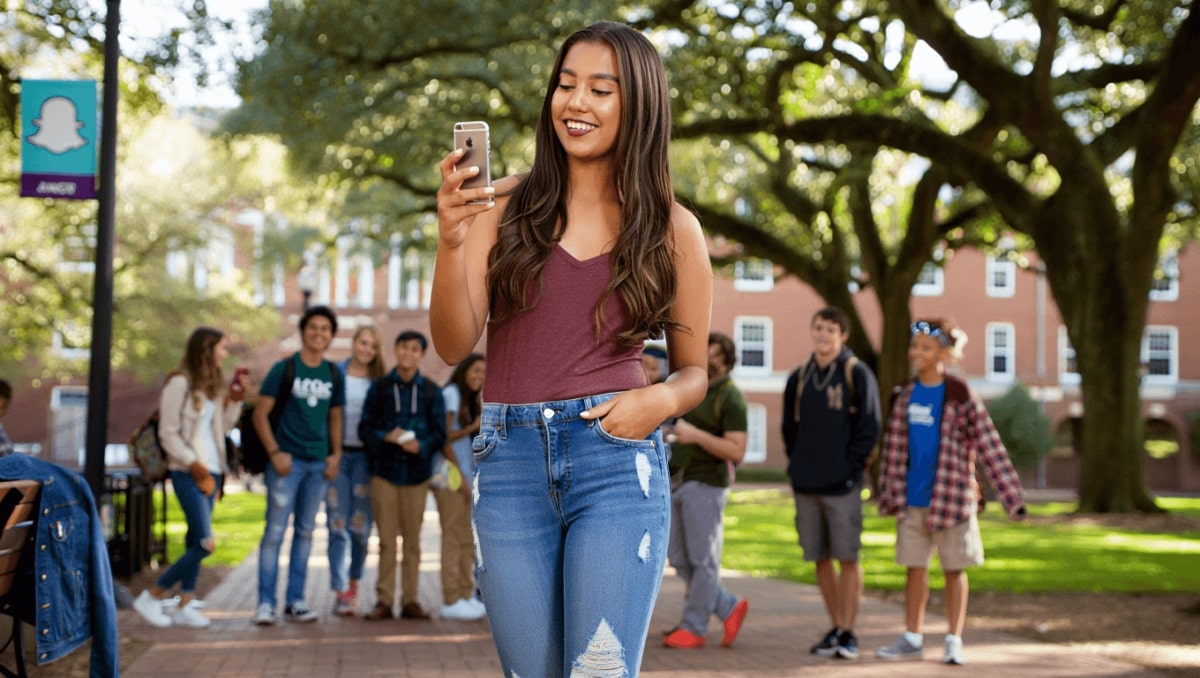
True Religion rolled out its first official college tour this fall. The idea: meet students where they live and shop. The activation pairs pop-up trucks with campus events, giveaways and on-site promos.
The brand uses the tours to convert foot traffic into loyalty members and social posts. On the ground, tactics include spin-to-win contests, limited college-themed merch and exclusive discounts for students.
Notable stops and tactics
- Initial trial at St. John’s University during New York Fashion Week.
- Official tour stops: Spelman College, University of Georgia, University of Southern California.
- Celebrity tie-ins: appearances from reality TV personalities to draw crowds.
- Conversions: loyalty enrollment and user-generated content capture.
About 25% of True Religion’s loyalty members are between 18 and 25 years old, making these campus activations a prime channel for acquisition.
Digital-first moves: Snapchat, paid social and content tailored to Gen Z
True Religion expanded paid marketing to Snapchat and created platform-native creative. The brand plans Snapchat-first assets for a holiday campaign called “Wrapped in True.”
Leadership highlights a key insight: users on Snapchat, Instagram and TikTok do not fully overlap. That means each platform opens access to a largely unique audience.
- Snapchat: paid ads and bespoke holiday creative.
- TikTok & Instagram: ongoing influencer and lifestyle content.
- Platform strategy: tailor formats to native habits on each app.
The brand’s Von Dutch collaboration delivered a measurable digital lift. Site traffic rose by 40% year over year after the drop, showing how nostalgia partnerships can attract younger shoppers.
Influencers, ambassadors and NIL athletes as enrollment engines
True Religion mixes macro talent with campus-native ambassadors. The roster includes reality stars and college athletes operating under NIL rules.
The brand’s “Team True” ambassador program now features college-age athletes, alongside stylists and musicians. These partners help introduce the brand to micro-communities and campus scenes.
- Macro influencers bring reach and cultural relevance.
- Student ambassadors drive authenticity and local events.
- NIL athletes bridge sports fandom and college networks.
How loyalty and experiential retail drive repeat purchases
The loyalty program launched in 2023 became a central tool for retention. Campus pop-ups play a dual role: they attract new faces and enroll them into the rewards ecosystem.
- Loyalty perks: exclusive offers and early access to drops.
- On-site signups: immediate rewards tied to pop-up interactions.
- Measurement: tracking new member lifetime value from college cohorts.
Pop-ups are designed to convert interest into measurable, retained customers, not just one-off transactions.
Ambitious revenue targets and where growth must come from
True Religion projects roughly $500 million in sales this year. Leadership has set a $1 billion target for future growth.
To double revenue, the brand plans to scale customer acquisition, with a stronger focus on women and younger shoppers. Executives estimate a total addressable market of about 110–120 million potential customers.
- Goal: expand market share among women and Gen Z.
- Strategy: combine experiential marketing with digital ads and collaborations.
- Measurement: new customer acquisition rates and cohort retention.
Peer moves and the rise of college activation tactics
Other retailers have also embraced campus tours to build Gen Z relevance. Brands such as PrettyLittleThing, Draper James and Rent the Runway launched college programs in the past year.
PR and activation specialists say showing up physically on campus generates attention beyond paid media. Live events create shareable moments that feed social channels.
Industry PR leads believe college activations are a pragmatic tactic. They create press moments and recruit ambassadors while delivering first-hand consumer research.
Creative collaborations and multi-generational appeal
True Religion balances new youth initiatives with ongoing ties to its millennial base. Campaigns like “Wrapped In True” include higher-profile, millennial talent alongside Gen Z-focused influencers.
Collaborations with nostalgia brands and pop culture names continue to play a role. These partnerships bring both a retro aesthetic and a viral moment that younger buyers respond to.
The brand aims to be both heritage and current, leaning into Y2K aesthetics while expanding into fresh channels and communities to fuel the next phase of growth.