Show summary Hide summary
As the holiday shopping rush arrives, companies are increasingly pairing up to launch limited-edition products that cut through the clutter. These partnerships are designed to spark excitement, reach new buyers and turn ordinary items into must-have gifts.
Why brands pair up for holiday limited editions
Collaborations offer a fast track to visibility during the busiest retail season. They create novelty without a full product overhaul. Brands can borrow each other’s audiences and cultural cachet.
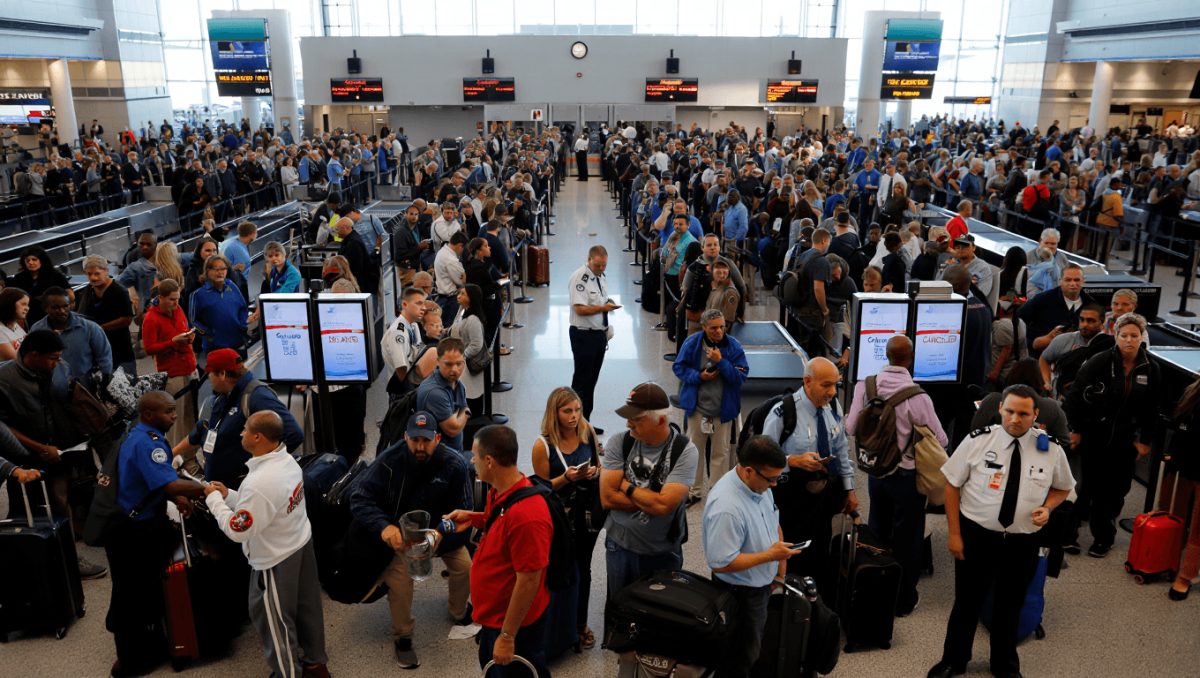
United Polaris Studio suites: tickets now on sale for April inaugural flights
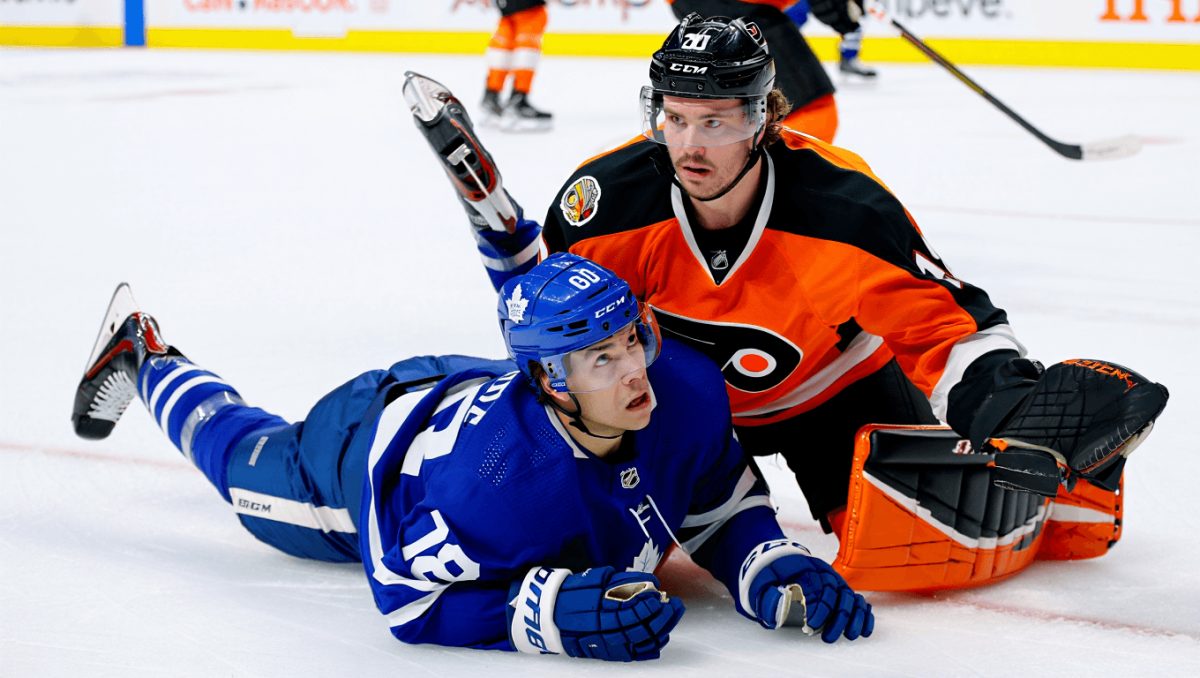
Auston Matthews-Radko Gudas controversy: Pierre LeBrun predicts fallout
- They generate media buzz and social chatter.
- They introduce products to customers outside the core base.
- They allow testing of new channels and price points.
Limited runs and co-branded bundles also leverage scarcity to drive quicker purchases. For many companies, that trade-off between volume and attention is worth it during Q4.
From bottles to home goods: wine brands chasing lifestyle status
Some makers of everyday products are aiming higher than the grocery aisle. A notable example is a popular wine label that paired its bubbly with a boutique candle line to create a holiday gift set. The move is less about wine education and more about repositioning the brand.
The team behind the wine says the effort seeks to attract younger buyers and to make wine feel contemporary and fun. Alongside the seasonal bundle, the company has rolled out custom labels, branded apparel and a loyalty program to build a lifestyle image.
- Target audience: younger drinkers and social shoppers.
- Marketing push: influencer partnerships and earned media.
- Seasonal timing: capitalizing on sparkling wine demand.
How a beauty and hair-care tie-up became a holiday smash
A detangling brush maker teamed with a high-profile fashion brand to create an exclusive brush line sold through the latter’s holiday storefront. The co-branded pieces matched the fashion label’s signature palette.
The product design accounted for multiple hair textures. The campaign leaned into giftability, playful messaging and tutorial-driven content on social channels. Early demand led to swift sellouts and calls for restocks.
What made the drop work
- Visual alignment with the partner label’s aesthetic.
- Social-first promotion including creators and how-to videos.
- Limited availability that spurred urgency among shoppers.
Behind the scenes, the brush required extra development to carry the partner’s branding. That process involved refining engraving and finishes until the co-branded look felt authentic.
Collaborations that push new retail channels: the TikTok Shop playbook
Some brands view collaborations as a way to experiment with newer sales platforms. One personal-care company used a bundle with a wellness supplement brand as a TikTok Shop exclusive.
- Bundle contents included probiotic gummies and a mint-scented wipe pack.
- The set launched on TikTok Shop and was promoted via livestreams.
- Affiliate creators requested samples in large numbers during the first week.
The result: strong early interest and higher conversion compared with the brand’s single-item listings. The brand treats TikTok Shop largely as a sampling and acquisition channel. Most buyers on the platform were new to the product.
Metrics that decide whether a partnership continues
Brands monitor a mix of sales, earned media and on-platform behavior when judging a collaboration’s success. Early indicators often include influencer pickup, user-generated posts and pre-holiday traction.
- Media and influencer coverage that broadens reach.
- Social engagement and content created by shoppers.
- Channel-specific sales performance, such as TikTok Shop conversions.
For many companies, strong buzz is as valuable as immediate revenue. Still, future co-brands often hinge on whether the partnership delivers sustained new customer acquisition and measurable sales lift.