Show summary Hide summary
- Big-picture stakes: why the 2026 World Cup matters to marketers
- Official sponsors and how they’re activating now
- Products on shelves and campaigns already live
- How local partnerships expand sponsor reach in host cities
- Retailers and grassroots players planning activations
- Metrics brands are watching: sales lifts and engagement
- What early adopters are doing differently
- Examples of brand activations and promotions to watch
Brands and stores are already jockeying for attention ahead of the 2026 FIFA World Cup, turning next summer’s tournament into a year-long marketing moment. With sponsors launching products, local shops crafting unofficial merch, and campaigns rolling out now, companies hope to ride the massive global audience to boost sales and brand recognition.
Big-picture stakes: why the 2026 World Cup matters to marketers
The 2026 World Cup promises unprecedented reach. The tournament runs from June 11 to July 19, 2026, and will be hosted across 16 cities in the U.S., Mexico and Canada.
United Polaris Studio suites: tickets now on sale for April inaugural flights
Auston Matthews-Radko Gudas controversy: Pierre LeBrun predicts fallout
- 48 teams will compete — up from 32.
- The event marks the first time three countries co-host.
- FIFA projects viewership at roughly 6 billion people.
That scale offers marketers a chance to move large volumes of jerseys, balls, hats and accessories. Retailers and sponsors see both direct sales and long-term brand lift as reasons to invest early.
Official sponsors and how they’re activating now
FIFA maintains a tiered partnership system that shapes who can run big campaigns and who must rely on more creative, unofficial activations.
- Top-tier partners include Adidas, Coca-Cola, Visa and others with global rights.
- Sponsors such as McDonald’s and Bank of America get regional and category privileges.
- Supporters receive limited rights but still tie promotional efforts to the event.
Average multi-year packages can cost tens of millions. That investment buys exclusive access to branding, hospitality, and official product designations.
Products on shelves and campaigns already live
Major sporting brands have not waited. Adidas launched its official Trionda match ball and new national kits for multiple federations. Nike is teasing a fresh apparel tech platform and streetwear lines aimed at younger fans.
- Adidas released its Trionda game ball and staged launch events across North America.
- Home kits for several nations are designed with cultural references and cooling tech.
- Coca-Cola’s bottlers are planning Coke Zero‑led marketing pushes tied to FIFA activations.
Retail data already shows a spike in interest for World Cup product lines. Specialty retailers report that official balls and jerseys are selling faster than similar items at the same time last year.
How local partnerships expand sponsor reach in host cities
For 2026, organizers allowed local sponsorships for each host city. This opens the door for community-focused activations and more brands to participate.
- Examples include local deals with petcare and auto-parts companies in specific host markets.
- These local sponsors can fund city-level events, watch parties and experiential marketing.
Local rights give companies the chance to connect directly with match-going fans and nearby communities.
Retailers and grassroots players planning activations
Beyond official sponsors, independent businesses are creating ways to engage fans. Small restaurants, bars and specialty stores are designing watch parties, custom jerseys, and limited-edition merchandise.
- Neighborhood eateries are producing fan shirts and themed menus.
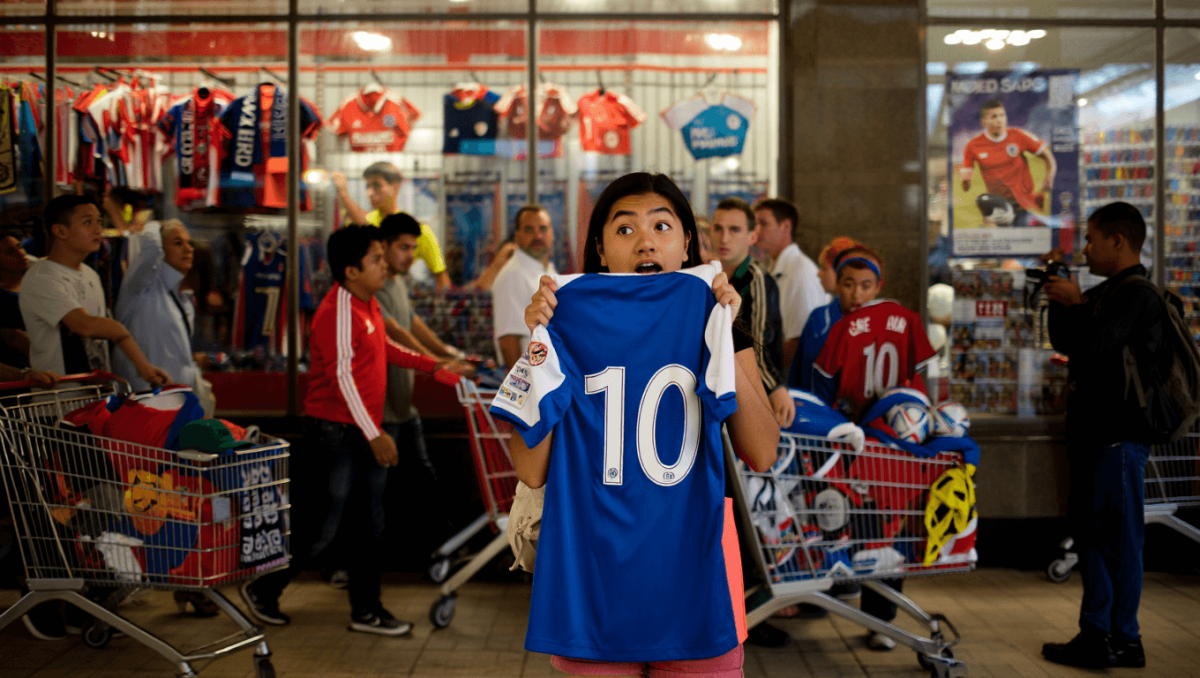
- Sports retailers are stocking up on replica kits, training gear and lifestyle apparel.
- Hatmakers and niche apparel brands plan limited drops tied to the tournament.
These efforts aim to capture local buzz and the spending that follows live events and communal viewing experiences.
Metrics brands are watching: sales lifts and engagement
Past World Cups offer clues about expected returns. During the 2022 tournament, sports apparel and accessory sales rose significantly for some brands.
- Scan-and-win promotions and digital activations drove millions of consumer interactions in prior events.
- Brands track metrics like kit sales, e-commerce traffic, social engagement and in-store conversions.
Marketers expect to measure both short-term revenue and longer-term brand equity gains from tied-in promotions and high-visibility activations.
What early adopters are doing differently
Companies that move early use layered strategies: product launches, experiential events, and online campaigns that amplify excitement months ahead of kick-off.
- Release official or inspired merchandise with storytelling tied to national identity.
- Create experiential moments in major cities to generate earned media.
- Run promotions that combine physical prizes and travel incentives to boost participation.
Some brands also leverage licensing deals with clubs and federations to reach fans where loyalty already exists.
Examples of brand activations and promotions to watch
Several rollouts illustrate the variety of tactics being used this cycle.
- Adidas hosted launches in multiple cities and used immersive light projections to draw attention.
- Nike plans retail-first activations that emphasize in-store experiences and new apparel tech.
- Coca-Cola is running a fan-engagement sweepstakes tied to the tournament draw.
- Smaller lifestyle brands, including specialty hatmakers, plan limited runs that align with club and national fandom.
These examples show how big and small players blend product, promotion and place to stand out in a crowded media moment.