Show summary Hide summary
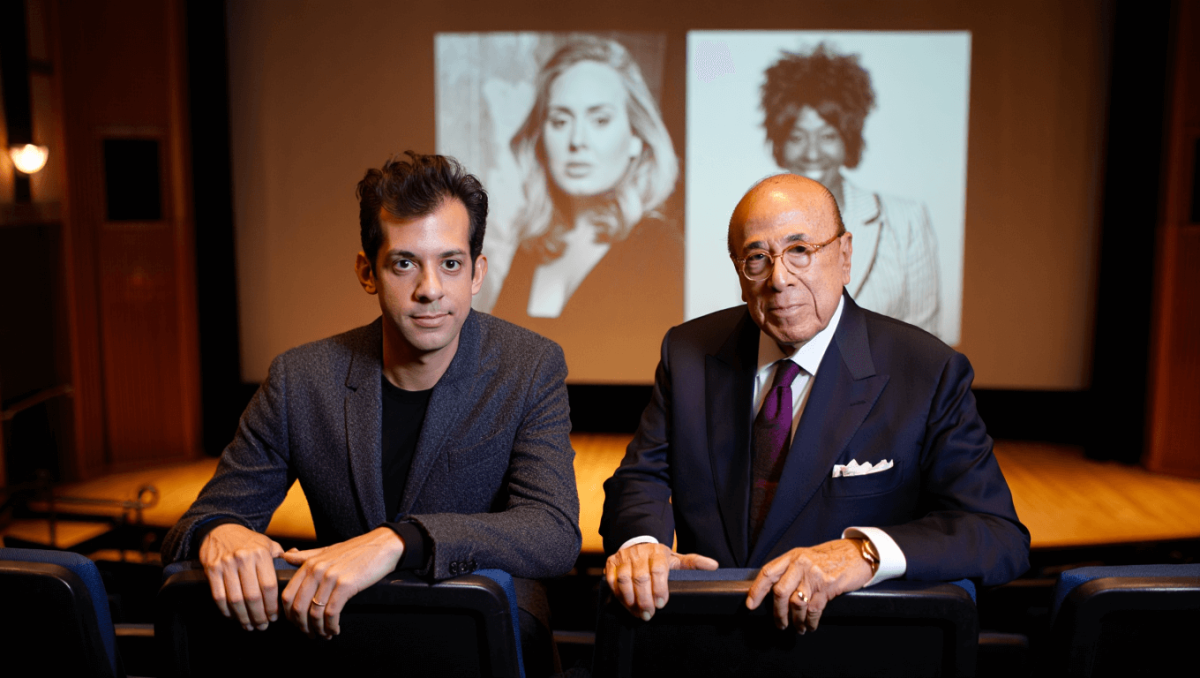
At the Iris Cantor Theatre on NYU’s campus, music industry legends Clive Davis and Mark Ronson held court Tuesday night. The pair screened their documentary Do You Remember and traded studio tales about icons from Aretha Franklin to Adele. The conversation mixed behind-the-scenes detail with warm recollections, and revealed how different stars approach the craft of recording.
Inside the NYU Q&A: What the crowd heard
The event was part film screening, part oral history. Critic Anthony DeCurtis guided a 45-minute exchange. Audience members heard first-hand accounts of studio sessions and creative sparks.
Christina Haack stuns in cream crochet bikini: responds to fourth engagement rumors
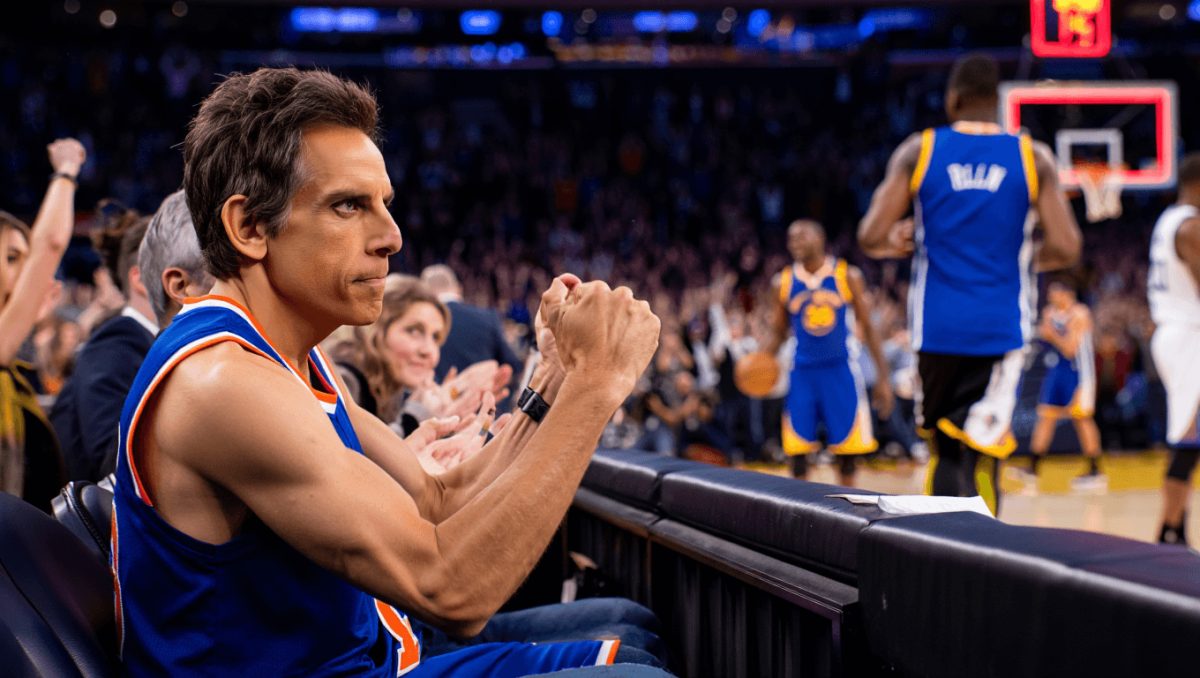
Knicks superfan Ben Stiller skips Oscars to watch gritty win over Warriors
- Hosts: Clive Davis and Mark Ronson.
- Moderator: Anthony DeCurtis.
- Occasion: Screening of Do You Remember at the Iris Cantor Theatre.
How Adele perfected her signature sound
Ronson recalled meeting Adele as a young artist. He described a patient process. She would lay down dozens of takes to find the exact tone she wanted.
According to Ronson, early sessions often involved between 17 and 25 attempts. After many repetitions, her voice would settle. That effort, he said, is what reveals the distinct timbre listeners recognize.
Studio routine matters: Ronson framed those long sessions as intentional work to craft an identifiable vocal signature.
Aretha Franklin’s disciplined studio approach
Davis painted a different picture for Aretha Franklin. The Queen of Soul relied on instinct and efficiency. She typically completed a track in no more than three takes.
But spontaneity played a role. Davis explained that Aretha sometimes improvised in ways that shifted the song’s hook. When those changes threatened commercial appeal, she willingly revisited a performance.
Professionalism above all: Davis emphasized that Franklin brought an unmatched seriousness to recording.
Anecdotes that reveal the era
- Once, after dining with Aretha in the 1980s, Davis received a large restaurant bill.
- The charge ballooned not because of their meal, he joked, but because Franklin’s four bodyguards had been drinking at the bar.
- The story underscored the scale of star life and the practical realities that came with it.
Amy Winehouse and the lessons for Ronson
Ronson credited Amy Winehouse with shaping his instincts as a producer. He described her presence in the studio as an engine for creativity.
Working with Winehouse taught him to embrace the energy that excites you. That connection, he said, often translates directly to audiences.
Creative surrender: Ronson used the word surrender to describe how collaborating with Winehouse enabled him to let go and follow the music.
Making of Do You Remember and production notes
The documentary that brought Davis and Ronson together explores decades of popular music. Ronson served as a producer on the film, helping shape its narrative.
The Q&A offered glimpses into that process. The duo discussed choices about which stories to highlight and how to balance archival footage with personal testimony.
Audience moments and personal touches
The evening included small, human moments. Among attendees was Ann Dexter-Jones, the mother of a noted musician and a figure Ronson acknowledged from the stage.
Davis greeted her warmly and used the presence of family to underscore a point about values. He said family matters deeply to him, and that bond surfaced throughout the discussion.
Key takeaways from the night
- Different stars carve distinct paths in the studio.
- Persistence and multiple takes can yield a signature voice.
- Efficiency and instinct can be equally powerful.
- Collaborations often teach producers as much as artists.