Show summary Hide summary
Swiss International Air Lines marked a new chapter in its long-haul service this week as its first Airbus A350-900 entered commercial rotation between Zurich and Boston. The flight blended the carrier’s redesigned onboard concept, branded Swiss Senses, with the practical reality of winter operations and a crew still learning the aircraft.
Launch flight: delays, de-icing and takeoff
The inaugural intercontinental A350 service, flight LX52 from Zurich to Boston, faced a preflight hiccup after light snowfall at Zurich Airport. Ground crews queued aircraft for de-icing, pushing departure back over an hour.
Knicks superfan Ben Stiller skips Oscars to watch gritty win over Warriors
U.S. embassies warn: 5 new travel alerts after demonstrations spread
Despite the delay, the A350-900 departed in the evening for a near eight-hour crossing to Logan. The launch was symbolic: a new fleet type and a full cabin refresh arriving after years of planning.
What Swiss Senses brings to the cabin
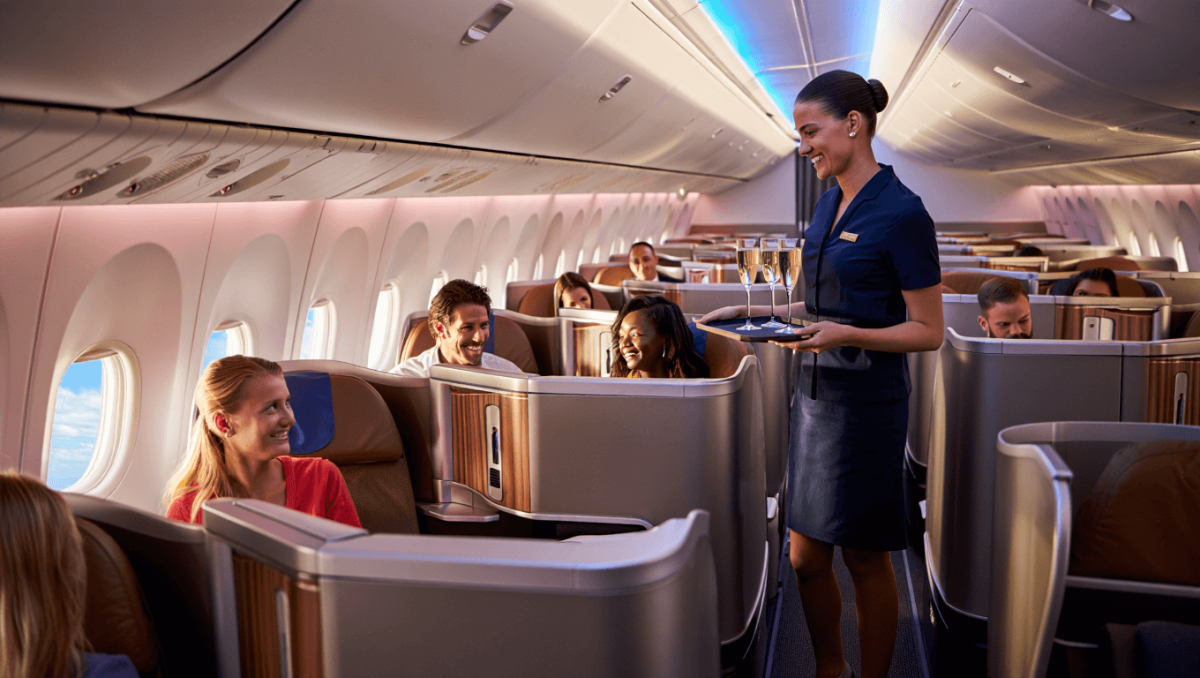
Swiss Senses reimagines the full passenger experience. It updates seating across cabin classes and pairs new hardware with upgraded food and service. The design aims to give travelers more privacy, comfort and personalization.
- Cabinwide refresh: first, business, premium economy and economy all received design attention.
- Soft-product upgrade: new menus and beverage offerings rolled out alongside the A350 launch.
- Phased rollout: more A350s will arrive to replace older four-engine jets.
Business class: five seating options under one roof
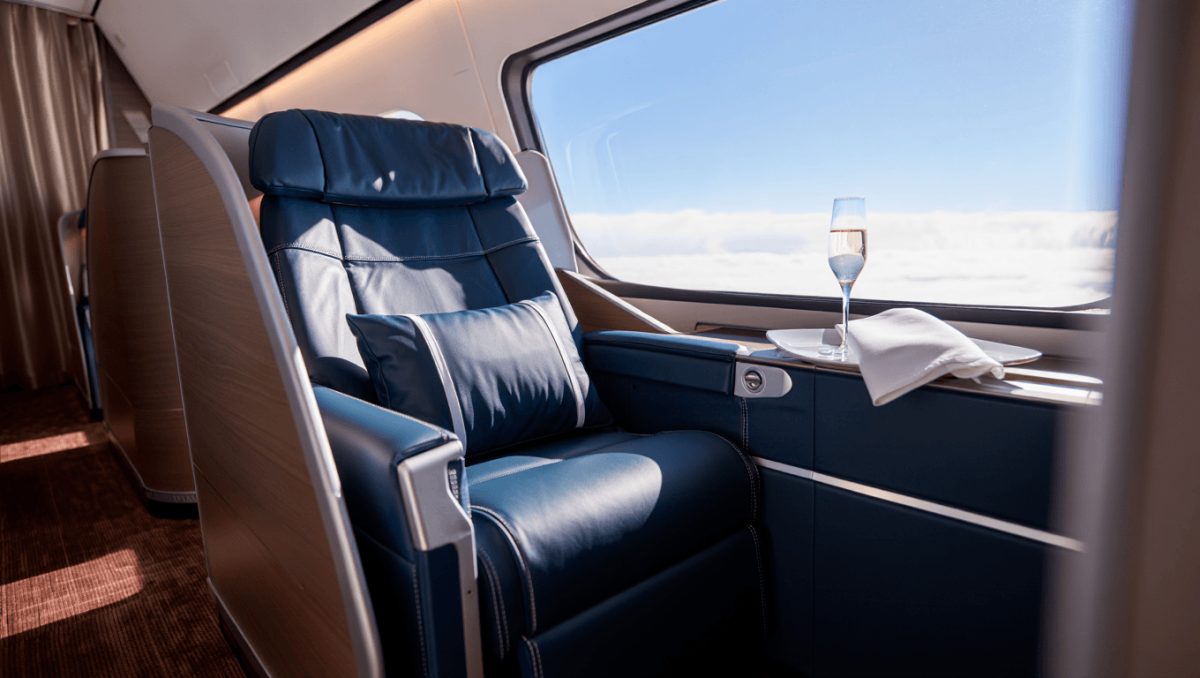
Business class on Swiss’ A350 offers a range of seat types rather than a single layout. The 45-seat cabin is subdivided into seat families that balance privacy, space and a flat-bed option.
Seat categories and what they offer
- Business Suites: the most private, with taller partitions.
- Privacy seats: window-forward seats with moderate screening.
- Extra Space and Classic: variations focused on room or a traditional configuration.
- Extra Long Bed: for taller passengers seeking a longer sleep surface.
Privacy seat passengers find practical details placed where they matter. Storage nooks sit over the footwell of the row behind. Small touches, like a glasses hook, are built into compartments.
Controls include tactile buttons and a tablet-like panel to set recline and lighting. The seats also feature adjustable heating and cooling for personal temperature control.
Connectivity options include power outlets, USB-A and USB-C ports, and a wireless charging pad embedded in the side shelf. The inaugural service reported intermittent wireless charging performance.
Meal trays slide out from below the main screen and provide room for dining plus a medium laptop. The inflight entertainment system offers multiple exterior camera views for a cockpit-level perspective during taxi and flight.
One limitation: unlike some recent business-class products, doors are not fitted on the seats. Swiss kept doors for first class only on this aircraft.
Menu and culinary partners onboard
Swiss leaned into local flavors with a menu that highlights culinary traditions from Switzerland’s regions. Renowned chefs and a top Zurich vegetarian restaurant contributed recipes.
- Marinated salmon and beet carpaccio
- Chicken ragout with curry-like aromatics
- Pumpkin and chestnut goulash
- Cream of celeriac with truffle as a soup course
The airline calls the offering a “Swiss taste of Switzerland.” Crews served the first meal within an hour of takeoff, and a lighter pre-arrival option included choices such as momo dumplings or a duck breast salad.
Service rhythm and inaugural-day touches
Cabin service on the maiden long-haul run was described as measured. Flight operations on a new type often slow early on as staff gain familiarity.
Instead of a ceremonial speech, the airline kept celebrations understated. Still, passengers received several commemorative extras.
- Special print edition of the inflight magazine placed in seatbacks
- Inaugural flight certificate and Swiss Senses chocolates for all passengers
- Caran d’Ache writing instruments distributed in premium cabins
- Airline leadership participating in onboard hospitality activities
Fleet strategy: how the A350 fits in
The new A350s will gradually replace Swiss’ older four-engine Airbus A340s. A second A350 is scheduled to join the fleet soon, with a planned delivery cadence of roughly two aircraft per year thereafter.
Swiss plans to retrofit existing widebodies so the Swiss Senses environment becomes standard across long-haul jets. Targeted updates include:
- Airbus A330 cabin refits beginning in 2026
- Boeing 777 updates to follow in 2027
Once completed, the program will give passengers a consistent experience across most intercontinental routes.
Where to find the A350 on the schedule
The airline currently deploys the first A350 daily on the Zurich–Boston run. The second delivery is likely to operate between Zurich and Montreal, subject to Airbus delivery timing.
Passengers can expect the new Swiss Senses product to appear gradually on more long-haul flights as aircraft enter service and older frames are retired or refitted.