Show summary Hide summary
- When Maria met Oscar: playful chemistry on a kids’ show
- Carroll Spinney’s touch and the gift of humor
- Working alongside Jim Henson: respect without closeness
- Building Maria from a Bronx childhood
- Career milestones and the choice to step away
- New chapters: books, animation, and “Alma’s Way”
- Documentary spotlight: “Street Smart” and lasting influence
Sonia Manzano still lights up when she remembers the muppet who made her laugh for decades. The actress behind Maria on Sesame Street talks about an unexpected on-screen spark with Oscar the Grouch, the creative forces behind the scenes, and how her Bronx roots shaped a character that mattered to millions.
When Maria met Oscar: playful chemistry on a kids’ show
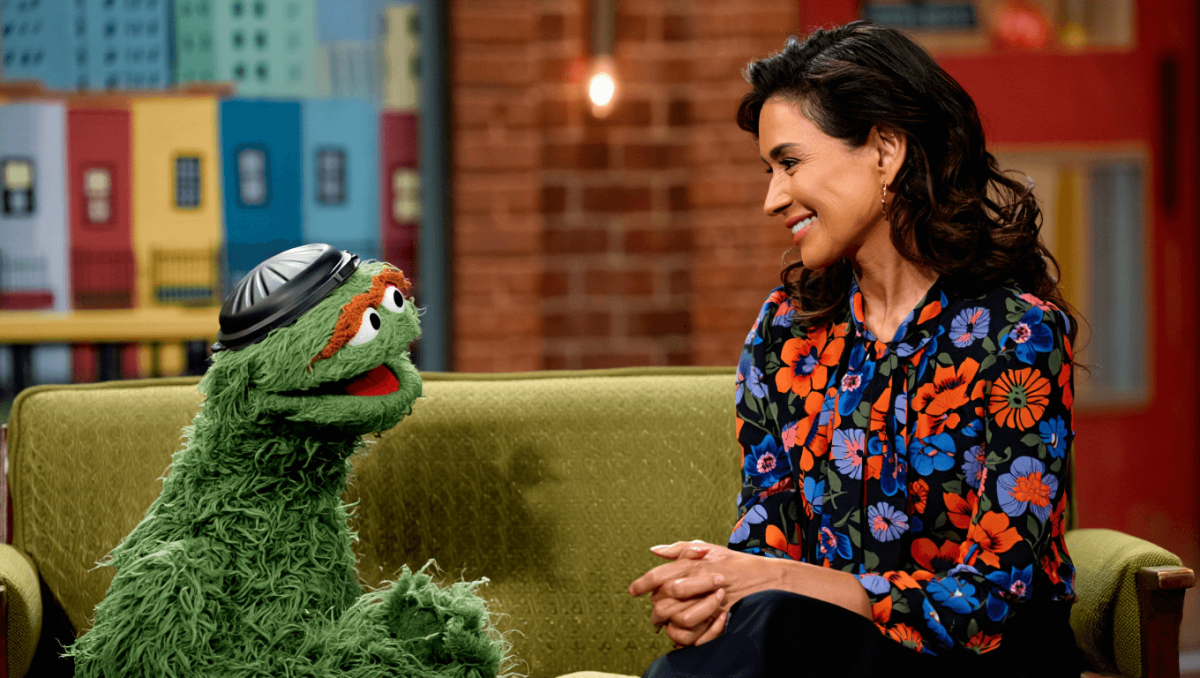
Sonia Manzano admits there was a playful, flirtatious vibe between Maria and Oscar the Grouch. She says the relationship was more teasing than romantic. It grew from improvised moments and comedic timing.
Manzano remembers the laughs and the little surprises that made their exchanges memorable:
Knicks superfan Ben Stiller skips Oscars to watch gritty win over Warriors
U.S. embassies warn: 5 new travel alerts after demonstrations spread
- Oscar’s lines landed with unexpected dark humor.
- Carroll Spinney’s performance gave Oscar a mischievous edge.
- Maria’s warm patience highlighted Oscar’s grouchy charm.
Manzano calls Oscar one of her favorite Muppet characters. She jokes that after decades on the show, she’d been waiting for a proposal.
Carroll Spinney’s touch and the gift of humor
Carroll Spinney, the puppeteer behind Oscar and Big Bird, shaped much of what made Oscar funny. Manzano recalls his knack for delivering lines that landed in unexpected ways.
She describes the humor as smart and a little sharp. Spinney’s choices turned offbeat comments into moments kids and adults remembered. For Manzano, those quips were endearing and inspired her reactions on camera.
Working alongside Jim Henson: respect without closeness
Manzano offers a nuanced view of Jim Henson, the creative mind behind many of Sesame Street’s iconic figures. She found Henson enigmatic and not an easy person to read. They were not close, and their paths rarely crossed on set.
Yet she learned from him. Henson managed the creative team with a gentle critique. Rather than direct criticism, he framed improvements as collective goals. Manzano says he avoided personal attacks and modeled collaborative leadership.
Building Maria from a Bronx childhood
Manzano drew Maria’s voice, outlook, and resilience from her upbringing in the South Bronx. That authenticity helped Maria become a familiar and trusted presence for children.
She stresses the importance of representation:
- Seeing familiar faces on TV helped Latino children feel seen.
- Maria’s stories reflected everyday life in many neighborhoods.
- Manzano used small, honest details from her youth to ground the role.
For Manzano, Maria was a way to make invisible people visible.
Career milestones and the choice to step away
Manzano joined Sesame Street in 1971. Over the years she expanded her role to include writing for the show. Her long run made her a staple of children’s television.
She decided to leave when the show’s landscape shifted. Two signs made the decision clear:
- She was often the only panelist who had worked with Henson personally.
- She began no longer recognizing the celebrity guests on the program.
These moments signaled to her that it was time to move on.
New chapters: books, animation, and “Alma’s Way”
After Sesame Street, Manzano continued creating for young audiences. She wrote children’s books and developed a cartoon that returns to her roots.
Alma’s Way centers on a curious 6-year-old Puerto Rican girl in the Bronx. The series channels Manzano’s commitment to honest representation and thoughtful storytelling. It keeps the focus on real neighborhood life and problem-solving.
Documentary spotlight: “Street Smart” and lasting influence
Manzano is the subject of a new documentary titled Street Smart: Lessons from a TV Icon. The film explores her career, influence, and the choices that shaped Maria.
The documentary recently screened as part of Doc NYC’s Metropolitan Competition. It is available online for a limited time. The film highlights how TV characters can shape identity and belonging for generations.