Show summary Hide summary
- Lizzo’s personal account: why she wrote the essay
- How Lizzo describes emotional and physical changes
- Claims about the Ozempic surge and plus-size erasure
- Accusations and nuance: who benefited from body-positivity?
- What she says she’ll do next
- Broader context: why this matters for media and fashion
- Reactions and the ongoing debate
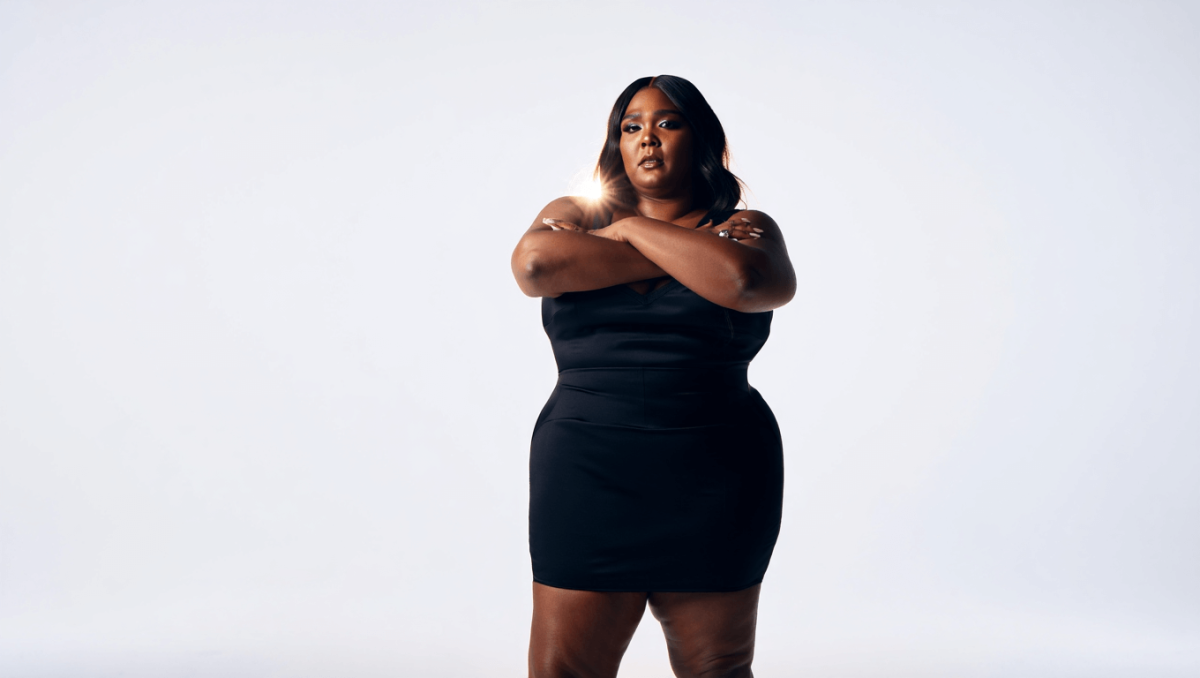
Lizzo has reignited debate about weight, celebrity and the booming use of Ozempic with a frank Substack essay that blends personal confession and cultural critique. She describes a painful chapter that reshaped her body and her public identity, while warning that the rapid appetite for medical weight loss is reshuffling representation for larger women.
Lizzo’s personal account: why she wrote the essay
The star explained she began documenting her journey after a turbulent period in her career. She says the fallout left her in a very dark place, and she looked for ways to care for her body and mind. That search led to new routines and changes that, over time, altered her appearance.
Euphoria season 3: Sydney Sweeney left off set as feud with Zendaya intensifies
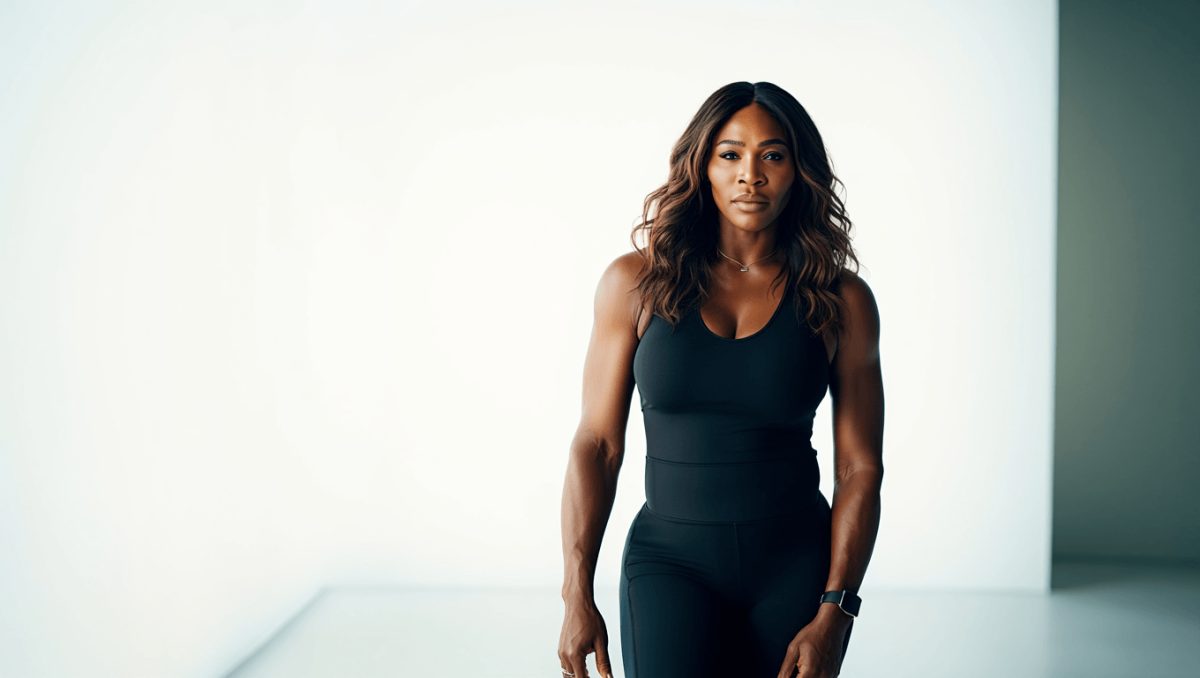
Serena Williams GLP-1 ad sparks backlash: weight-loss commercial called irresponsible and dystopian
- She turned to Pilates to manage stress and process emotions through movement.
- She admits experimenting with prescription weight-loss medication early in her shift.
- She also shifted her diet away from strict veganism and says adding meat improved results.
How Lizzo describes emotional and physical changes
Lizzo portrays the transformation as intentional and energetic rather than vanity-driven. She says she wanted to feel different in her body after feeling stripped of control following public scandals.
Processing grief and public scrutiny
She tells of deep emotional pain and says she lost her appetite for previous coping habits. Rather than numb herself with food, she focused on movement and change.
On identity and body image
Though she acknowledges improved health, Lizzo emphasizes she still identifies as a large-bodied woman. She stresses that her skin and marks reflect a life of carrying weight, and she remains proud of that history.
Claims about the Ozempic surge and plus-size erasure
Lizzo warns of a broader trend she calls the “Ozempic boom.” She argues this trend is reshaping fashion, media and the business of body diversity.
- She says extended sizes are disappearing from online stores.
- She reports fewer bookings for plus-size models in recent casting cycles.
- She believes some public champions of body positivity abandoned the movement once weight loss offered new opportunities.
Her core worry: the collective shrinking of visible larger bodies risks erasing the very representation that once helped marginalized women feel seen.
Accusations and nuance: who benefited from body-positivity?
Lizzo suggests parts of the body-positivity movement were monetized. She questions whether some influencers and brands embraced the cause only while it served them.
At the same time, she defends individual choice. She insists women who choose change—by surgery, medication, diet, or movement—should not be shamed.
What she says she’ll do next
Lizzo frames the path forward as work. She wants to reopen honest conversations about body diversity and to be accountable to the communities that supported her rise.
- She plans to speak publicly and listen to critics and allies.
- She aims to reintroduce subtlety into debates about weight and health.
- She says rebuilding trust with supporters is a priority.
She acknowledges the challenge: reversing market forces and cultural shifts created by a surge in medical weight-loss treatments will be slow and complex.
Broader context: why this matters for media and fashion
Industry changes ripple into daily life. When stores trim size ranges or campaigns favor smaller silhouettes, people notice. Visibility affects everything from self-image to hiring in fashion and entertainment.
- Less size diversity in retail narrows choices for consumers.
- Fewer plus-size modeling opportunities mean fewer faces representing fuller bodies.
- Public figures altering their bodies can reshape norms quickly.
Reactions and the ongoing debate
Lizzo’s essay has reopened debates about personal autonomy, community responsibility and the role of medicine in weight management. Supporters applaud her honesty. Critics push back on claims about motives and market shifts.
Regardless of stance, her piece keeps questions alive about how culture should balance individual change with collective representation