Show summary Hide summary
- Why Texas pursued Brandon Nimmo and what it changes at the plate
- Marcus Semien to the Mets: defense and leadership in Queens
- How analysts graded the swap and what they see as the objective
- Contract differences and risk factors for both teams
- Immediate stakes: why this trade is easy to evaluate
- More sports headlines worth scanning
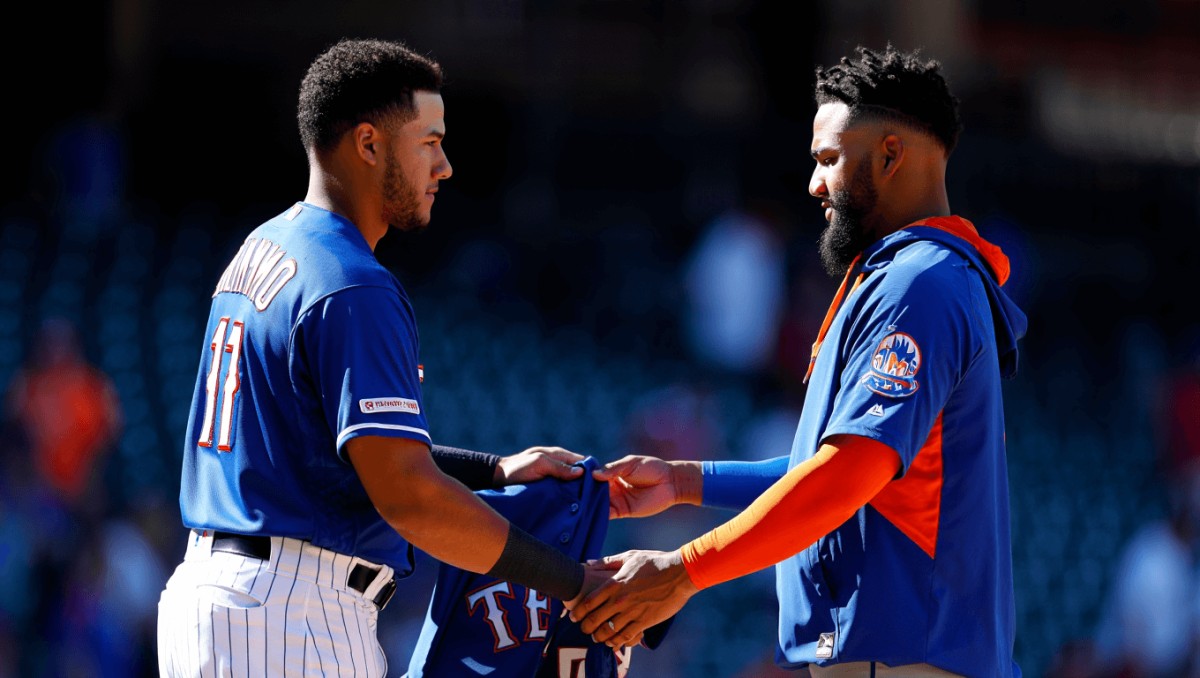
In a move that surprised many, the Texas Rangers and New York Mets swapped established veterans on Sunday, sending Brandon Nimmo to Arlington while Marcus Semien heads to Queens. The deal instantly reshapes both lineups and offers a clear test: which club gains the edge now that two proven players change addresses without prospects attached?
Why Texas pursued Brandon Nimmo and what it changes at the plate
The Rangers appear focused on refining their offensive profile. Nimmo brings a blend of contact skills and strike-zone control that the club lacked. On paper, he offers a higher batting average and superior discipline than the player he replaces.
Nickelodeon star arrested after alleged Malibu burglary
Euphoria season 3: Sydney Sweeney left off set as feud with Zendaya intensifies
- Plate discipline: Nimmo’s ability to draw walks and avoid chasing bad pitches stands out.
- Batting average edge: Expect more consistent contact from Nimmo compared with Semien.
- Power trade-off: Nimmo provides less raw power than some Rangers outfielders did last year.
Texas also recently declined to tender Adolis García and catcher Jonah Heim. Those moves left open roster spots and signaled a desire to retool the lineup rather than merely patch holes.
Marcus Semien to the Mets: defense and leadership in Queens
Semien arrives in New York with recent accolades and a reputation for solid infield defense. His glove work was recognized this season, giving the Mets a reliable presence up the middle.
- Gold Glove caliber defense: Semien’s recent award underscores his value on the field.
- Veteran infield stability: He adds experience and leadership to a Mets roster searching for consistency.
How analysts graded the swap and what they see as the objective
Media assessments were mixed. One major outlet assigned the Rangers a modest grade, noting the move aims to change the team’s offensive approach.
The broader takeaway: Texas is not just chasing raw power. They want better contact rates and improved on-base skills. Bringing Nimmo in fits that plan, even if it means accepting less homerse run production in the short term.
Contract differences and risk factors for both teams
Money on the table
Contracts played a role in the trade calculus. Nimmo carries a commitment that carries more long-term uncertainty than Semien’s deal.
Timing of the financial impact
Most observers note the 2026 ledger is not where the biggest disparities appear. The Rangers will manage the longer-term risk if Nimmo’s numbers dip or if injuries intervene.
Immediate stakes: why this trade is easy to evaluate
Unlike deals that hinge on minor-league talent, this swap gives instant clarity. Both players are expected to be in their teams’ Opening Day plans.
- Instant comparison: Fans and analysts will judge the trade within weeks.
- No prospect development delay: Performance will be measured in real time, not seasons.
More sports headlines worth scanning
- Seven-foot-nine Olivier Rioux nets his first college points in a landmark moment.
- Quarterback J.J. McCarthy endured a rough outing unseen since 2002.
- The nation’s longest high school winning streak ends at 76 games.
- With Steven Adams aboard, the Rockets are pacing toward an all-time NBA mark.
- Shedeur Sanders carves out a historic first for the Browns as his own story begins.
- A recent Blackhawks first-round pick just led his high school team to a state championship.