Show summary Hide summary
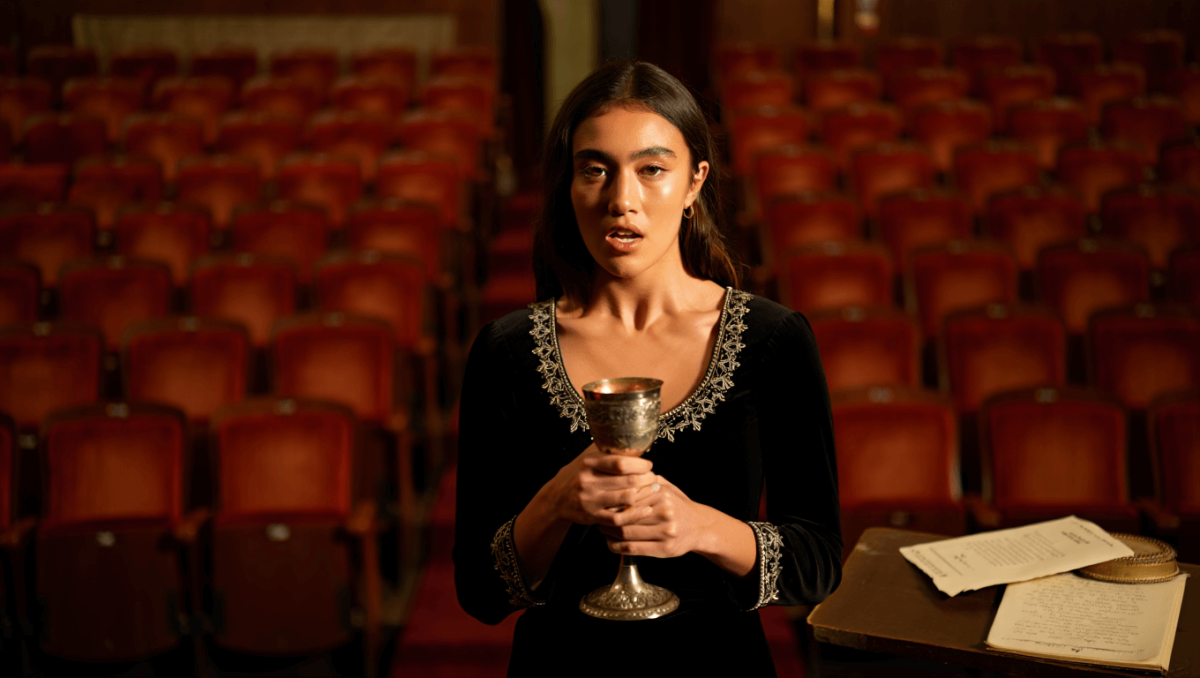
Fans of Wicked: For Good have dug into the show’s most haunting moments and found the chants in Elphaba’s Grimmerie are more than eerie sounds. Composer Stephen Schwartz built each incantation from pieces of real languages so they feel meaningful without ever being literal.
Why the spells feel familiar: a patchwork of old languages
Schwartz designed the Grimmerie words to sound like real tongues while remaining original. On his website he explained he borrowed echoes of Egyptian, Latin, German, Greek and Italian.
Arkansas’ Darius Acuff Jr. earns rare Kyrie Irving comp from Bill Simmons
Sean Penn awarded Oscar forged from war-damaged Ukrainian train: he skipped the ceremony
The result is a set of invented chants that give the stage a sense of deep history. The prop Grimmerie used in productions even contains scripted text to match the sound of the spells.
Elphaba’s charm that affects Nessa — the walking/levitation incantation
The movie versions tweak staging: Nessa levitates on screen while the stage spell typically prompts movement. The chant itself mixes roots from multiple languages.
The spell as sung in the show:
- “Ambulahn dare pahto pahpoot ambulahn dasca caldapess lahfenahto lahfenahtum pede pede caldapess.”
Etymology clues and a plain-English sense
- Ambulahn — echoes Latin ambulare, “to walk.”
- Dare — from Latin meaning “to give.”
- Pede — Latin for “on foot.”
- Pahto / dasca — suggest Greek roots related to walking and teaching.
- Caldapess — close to Italian calpestare, “to stomp on.”
Put together, the chant roughly communicates: “Give walking; walk; with the foot, stomp.” The words create an image more than a literal sentence.
Nessarose’s short spell: a heartbeat in syllables
Nessarose’s chant is brief but telling. Listeners can pick out “cor”, the Latin root for “heart.”
Though the full sequence is short and fragmentary, its choice of sound focuses the scene on emotion and loss more than on technical instruction.
The Tin Man transformation: the wrenching line about “no heart”
When Boq becomes the Tin Man, the song contains a line that many linguists recognized as meaning “without a heart.”
The full chant:
- “Vivahlos vivahlos meno non cordo meno vivahlos vivahlos meno mon cordo.”
Word-by-word clues
- Meno — Italian for “less,” and in ancient Greek can mean “stay.”
- Non — Latin negation, “not.”
- Cordo — tied to Latin cor, “heart.”
- Vivahlos — plays on Latin vivere, “to live.”
Stephen Schwartz noted the phrase functions like a linguistic puzzle that means “without a heart,” though it’s not from one earthly language. In plain terms the charm reads like “stay alive, stay alive, without a heart.”
Fiyero’s Scarecrow spell: crafted for rhythm and tone
The words used to make Fiyero a Scarecrow appear several times in No Good Deed. They emphasize sound and cadence over clear translation.
The chant as performed:
- “Eleka nahmen nahmen ah tum ah tum eleka nahmem, ah tum ah tum eleka nahmen, eleka nahmen nahem, ah tum ah tum eleka eleka.”
Schwartz has said he aimed for an Egyptian flavor here. He didn’t intend to call the god Amun, but the arrangement ended up evoking ancient Egyptian sounds.
Across the musical, the Grimmerie’s language achieves its power by mixing familiar roots with invented syllables. That blend gives each spell emotional weight, while keeping the lyrics mysterious.