Show summary Hide summary
- Top safety Trae Collins reopens his recruitment
- How Kiffin’s reported move to LSU is unsettling recruits
- Why recruits choose to decommit when coaches talk of leaving
- National reaction and the optics around a high-profile departure
- Immediate implications for Ole Miss recruiting class
- Steps Ole Miss could take to stabilize recruiting
- What this means for Trae Collins and other prospects
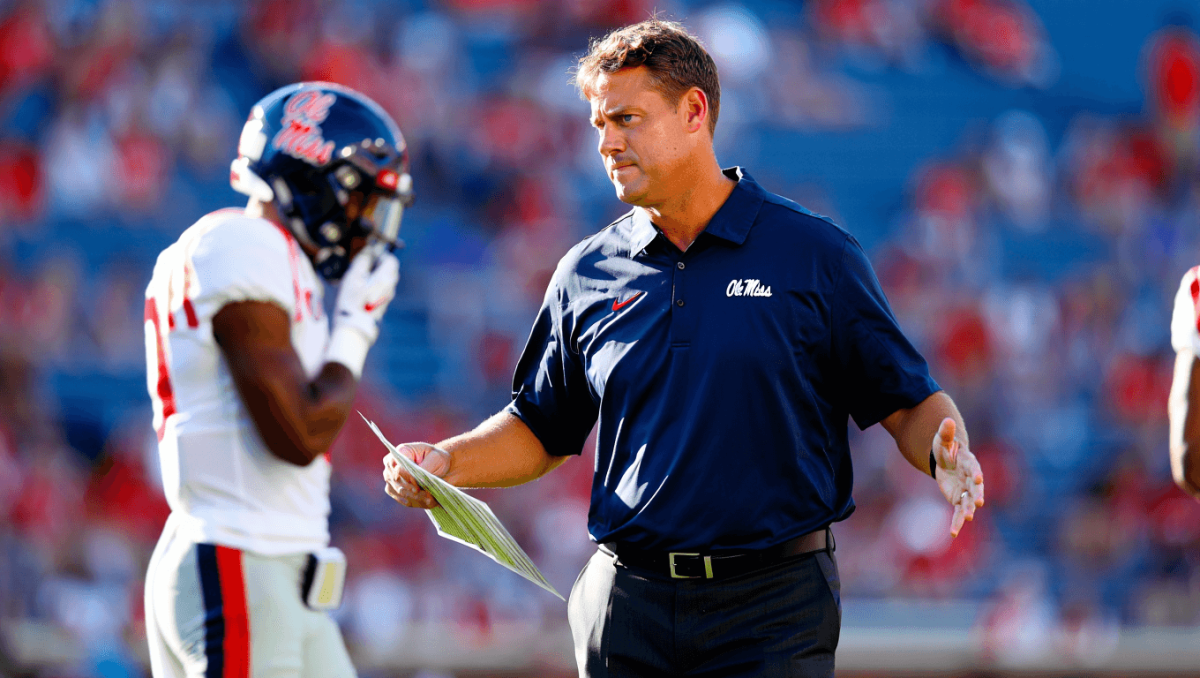
The recruiting landscape at Ole Miss shifted sharply after reports surfaced that head coach Lane Kiffin may leave Oxford for LSU. That uncertainty has already prompted changes on the recruiting trail, with one high-profile prospect backing away from his pledge.
Top safety Trae Collins reopens his recruitment
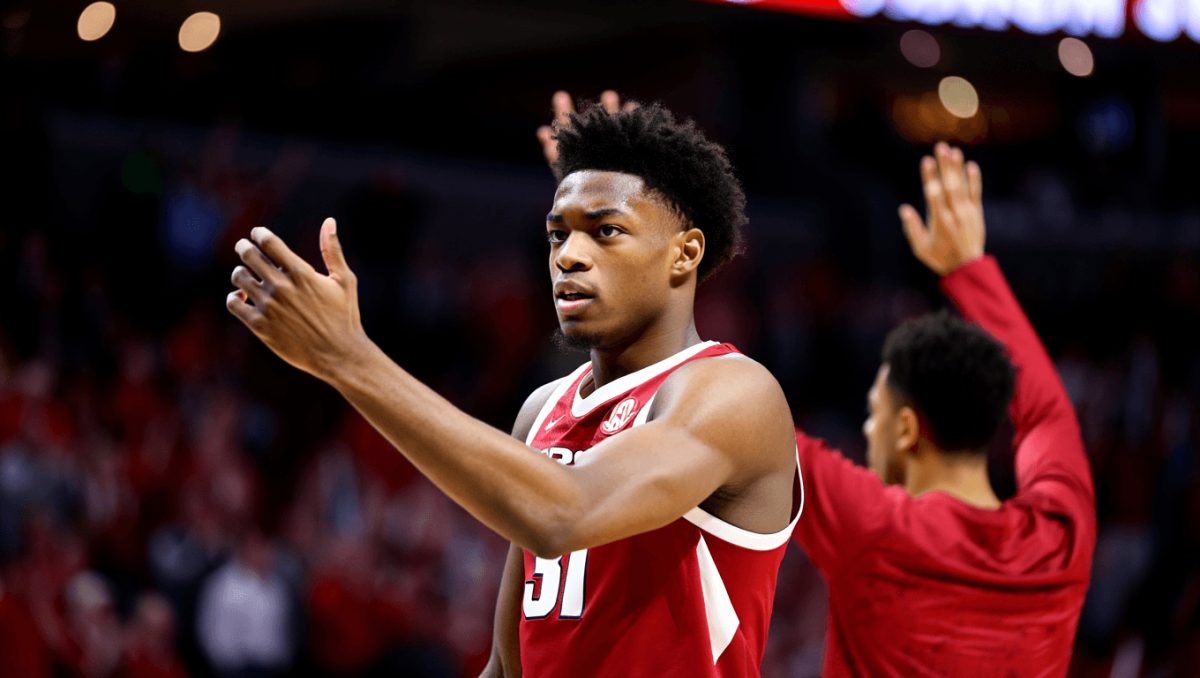
Four-star safety Trae Collins has withdrawn his commitment to Ole Miss, according to Rivals reporter Hayes Fawcett. The 6-foot-2, 180-pound defensive back from Ridgeland, Mississippi, had been pledged to the Rebels since May.
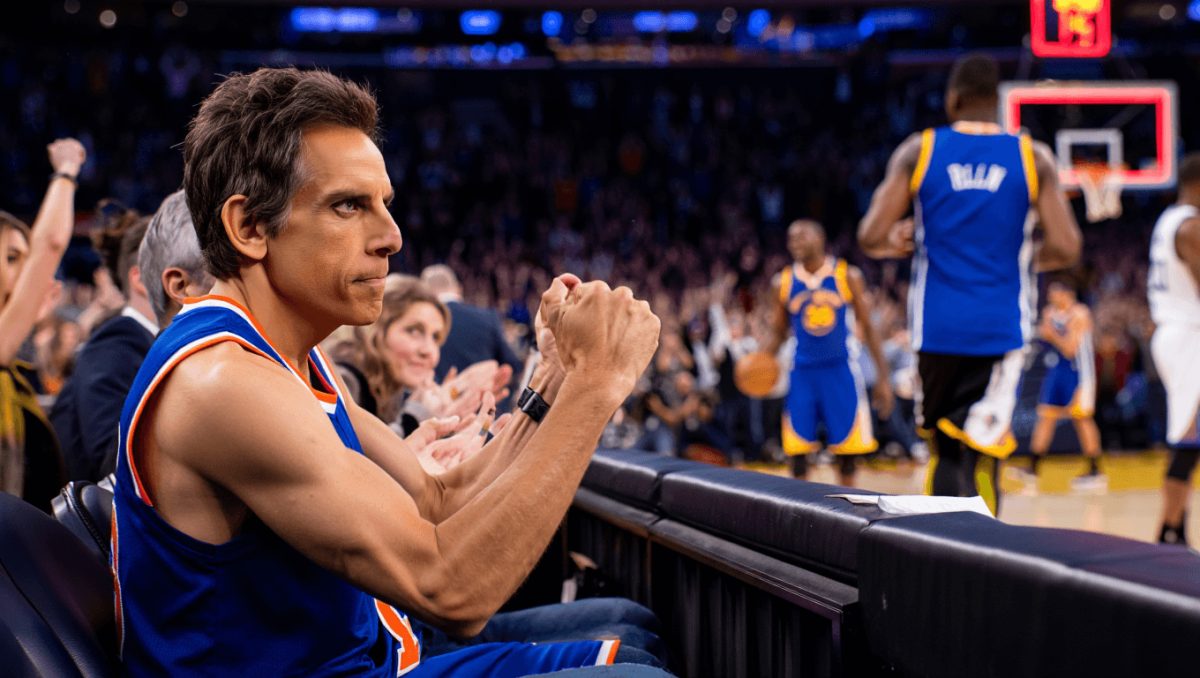
Knicks superfan Ben Stiller skips Oscars to watch gritty win over Warriors
U.S. embassies warn: 5 new travel alerts after demonstrations spread
Collins holds about two dozen offers and ranks among the region’s most sought-after defensive backs. His departure signals hesitancy from recruits when the coaching situation is unsettled.
How Kiffin’s reported move to LSU is unsettling recruits
News that Kiffin may accept the LSU job has created a sense of limbo in Oxford. Reports suggest staff decisions are being framed around following him or staying behind.
- Coaches feel pressure to choose between loyalty and career growth.
- Recruits worry about who will coach them and which schemes will remain.
- Families and advisors are increasingly asking for clarity before final commitments.
Why recruits choose to decommit when coaches talk of leaving
Stability matters more than ever to high school prospects. When a head coach’s future is unclear, the risks multiply.
Top concerns for prospects
- Player development: Will position coaches and systems stay the same?
- Playing time: New staffs can change depth charts quickly.
- Fit: Schemewise and culturally, recruits want a known environment.
- Long-term relationships: Many commits sign because of specific staff members.
National reaction and the optics around a high-profile departure
Public commentators and media figures have weighed in. Some analysts have criticized the timing and optics of a potential exit from a competitive team.
Others point out the realities of college football: bigger budgets and higher-profile platforms can draw coaches away. That tension between criticism and practicality is fueling national debate.
Immediate implications for Ole Miss recruiting class
Collins’ decision could be the first of several changes if questions about the program’s direction persist.
- Other high-level commits may pause or reopen their recruitment.
- Unsigned recruits could reconsider official visits.
- Staff retention will play a key role in damage control.
Steps Ole Miss could take to stabilize recruiting
Program leaders have options to limit fallout. Quick, transparent action will matter the most.
- Move rapidly to name an interim or permanent coach.
- Have remaining staff speak directly with committed recruits.
- Highlight continuity plans for development and academics.
- Use video calls and campus visits to reassure prospects and families.
What this means for Trae Collins and other prospects
For Collins, decommitting reopens the map. He now can weigh offers from power programs and mid-major contenders.
Several scenarios are possible: he could pick another SEC team, wait for Ole Miss clarity, or choose a program where the staff is settled.