Show summary Hide summary
- Who stands to lose food assistance as the shutdown drags on
- How state websites are explaining the pause to residents
- Political claims and counterclaims around the shutdown
- Legal moves and multi-state coordination
- Public reaction on social platforms
- Practical steps for SNAP recipients now
- What officials say about next steps and timelines
The federal shutdown’s ripple effects are now touching millions of households, and state agencies are using blunt language to tell residents what to expect. With SNAP funding slated to be interrupted in November, public notices, political statements and legal fights have all moved into the spotlight.
Who stands to lose food assistance as the shutdown drags on
Federal officials warned SNAP benefits could be paused beginning Nov. 1 if funding remains stalled. That change threatens roughly 42 million Americans who rely on the program.
Nickelodeon star arrested after alleged Malibu burglary
Euphoria season 3: Sydney Sweeney left off set as feud with Zendaya intensifies
Some states have larger shares of residents depending on SNAP. Massachusetts ranks near the top, with about 16% of people enrolled in the program. Illinois, Michigan, Nevada and Pennsylvania report about 15% participation each.
How state websites are explaining the pause to residents
Several state social services pages now display plain statements assigning blame for the funding freeze. The tone and wording vary, but the message is consistent: benefits may not arrive in November unless the federal funding issue is resolved.
- Massachusetts posted a direct line telling users that the federal decision is preventing November payments.
- California’s site describes the shutdown as a breakdown in federal funding, citing failures across branches of government.
- Illinois’ notice pointed to federal officials and warned that, without action from Washington, November benefits will not be issued.
Even the USDA’s public-facing content has been updated in ways that critics say lean political. State administrators are balancing clarity for users with the risk of appearing partisan.
Political claims and counterclaims around the shutdown
National and state politicians have intensified rhetoric. Some conservative voices publicly blamed congressional Democrats for funding gaps.
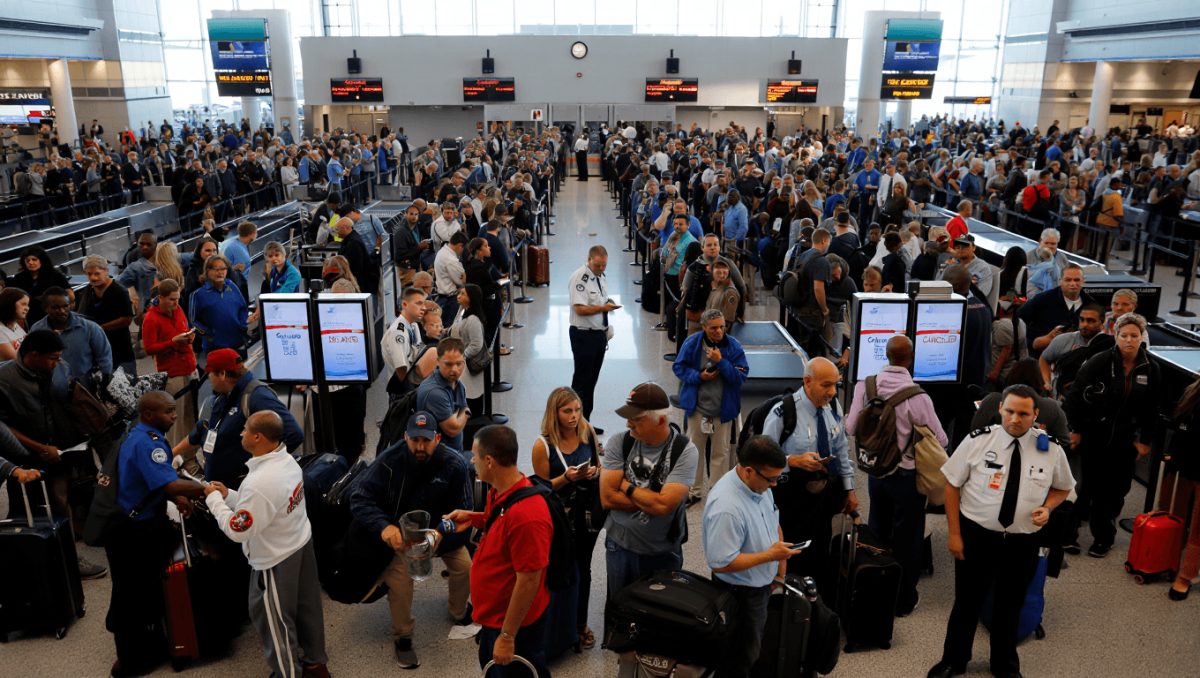
Examples on the record include officials highlighting impacts such as unpaid TSA workers and airport delays, and framing the shutdown as the result of Democratic inaction. House leadership has also urged Democrats to rethink their stance.
State responses that push back
In contrast, many governors and state agencies attribute the interruption to federal actions or inaction by the White House and Congress. Several states have framed their notices to residents to make the federal role clear.
Legal moves and multi-state coordination
A coalition of about 25 states has taken legal action over the delayed SNAP payments. Massachusetts and Illinois are among the plaintiffs.
The lawsuit argues that withholding benefits amounts to an unprecedented interruption in program delivery. States contend the federal government’s decision imposes immediate harm on low-income households.
Public reaction on social platforms
Reactions online are mixed and often partisan. Many users praised states that explicitly blamed federal leaders. Others criticized any political messaging on benefit portals.
- Supporters applauded blunt state notices as necessary pressure on federal officials.
- Critics warned that politicizing benefit pages risks confusing or alarming vulnerable people.
- Some social posts urged officials to “fight back” and framed the state notices as payback for past rhetoric.
Practical steps for SNAP recipients now
If you rely on SNAP, act now to reduce short-term hardship. State offices and local nonprofits are the first places to look for help.
- Check your state’s official social services website for the latest benefit advisories.
- Contact your local SNAP office to confirm your case status and any emergency options.
- Identify nearby food banks and community programs that can provide immediate assistance.
- Follow your state officials’ social channels for real-time updates and instructions.
- Consider contacting your congressional representative to express how a payment pause would affect your household.
What officials say about next steps and timelines
State agencies emphasize they cannot issue federal benefits without federal funding. They also say they will notify recipients as soon as the situation changes.
Legal filings and executive negotiations continue behind the scenes. For now, the calendar date set by federal administrators marks the point when payments could stop.