Show summary Hide summary
- How the opening sequence unfolded and what happened on the field
- Coach Mike Kafka’s stance: “my decision” and high standards
- Reports, explanations and alleged missed responsibility
- What Carter said and how teammates reacted
- Front office reaction and the wider context in New York
- Previous incidents and the timeline of Carter’s benchings
- Immediate fallout and potential implications for his development
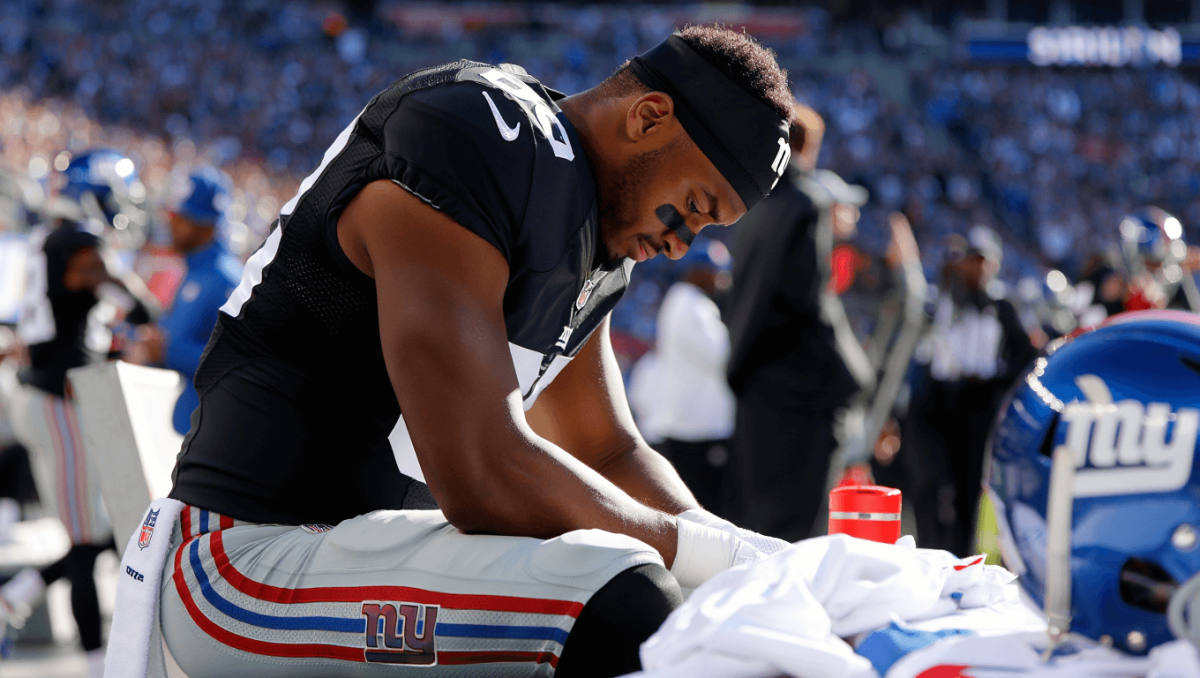
Monday night’s primetime matchup in Foxborough began with a flurry of questions before a snap was even taken. The New York Giants opened on defense without rookie edge rusher Abdul Carter on the field. His absence sparked social media chatter, on-field uncertainty and a blunt response from the Giants’ interim coach after the game.
How the opening sequence unfolded and what happened on the field
The Giants did not deploy Abdul Carter during the first quarter of the game at Gillette Stadium. Broadcasters called it a “coach’s decision” while New England converted a drive into a field goal.
United Polaris Studio suites: tickets now on sale for April inaugural flights
Auston Matthews-Radko Gudas controversy: Pierre LeBrun predicts fallout
Carter entered early in the second quarter. Once on the field, he made a key tackle on third-and-short and helped stiffen the rush.
- Absent for the first two defensive series.
- Defense allowed three points on that opening possession.
- Carter returned and made an immediate impact.
Social posts claiming the rookie would be benched circulated before kickoff. One viral item came from a parody account, adding confusion to an already tense start.
Coach Mike Kafka’s stance: “my decision” and high standards
After the game, interim head coach Mike Kafka repeatedly framed the move as his call. He described the action as rooted in the team’s expectations and discipline.
“This was my decision,” Kafka said several times, and he refused to elaborate beyond saying the choice reflected standards the organization enforces.
When pressed on whether he regretted sitting Carter, Kafka declined to change his position. He emphasized support for young players while also stressing accountability.
Reports, explanations and alleged missed responsibility
A league source told reporters that the benching stemmed from Carter “missing all/part of a team responsibility.” That account circulated alongside local coverage and social media analysis.
Other reporting suggested staff believed the rookie had been late to a required activity during the week. Kafka, however, declined to confirm specifics and said details would remain internal.
What Carter said and how teammates reacted
The rookie offered a brief, contrite response after the game. He admitted he disappointed the team and said he needed to be better.
“I let my team down,” he told reporters, adding that he understood the message.
- He said he was told earlier in the week he wouldn’t play the first two series.
- He acknowledged responsibility and pledged to improve attendance and preparation.
Veteran teammates framed the incident as a learning moment. Defensive leader Brian Burns called it a human mistake and urged accountability while offering mentorship.
Front office reaction and the wider context in New York
General Manager Joe Schoen addressed the situation during the team’s bye-week media availability. He noted the challenge of bringing 21-year-olds into a high-pressure market.
Schoen emphasized development and education, saying young players must adapt to the spotlight and the expectations it brings.
Previous incidents and the timeline of Carter’s benchings
This was not an isolated occurrence. In recent weeks Carter was held out at the start of another game after an episode during a mid-November practice window.
At that time, some outlets reported he had slept through the start of practice. Carter pushed back, saying he was receiving medical treatment and that a change in practice timing had contributed to a misunderstanding.
He described the earlier episode as an honest mistake and insisted it was not a pattern of behavior.
Immediate fallout and potential implications for his development
Coaches have signaled they will keep correcting young players in public and private. Carter’s benching highlights the balance between discipline and player growth.
- Short-term: missed snaps and public scrutiny.
- Developmental: more coaching, structure, and mentorship.
- Team culture: reinforcement of punctuality and accountability.
On the field, Carter’s return showed his value to the pass rush. Off the field, the organization appears intent on using the episode to reinforce expectations.