Show summary Hide summary
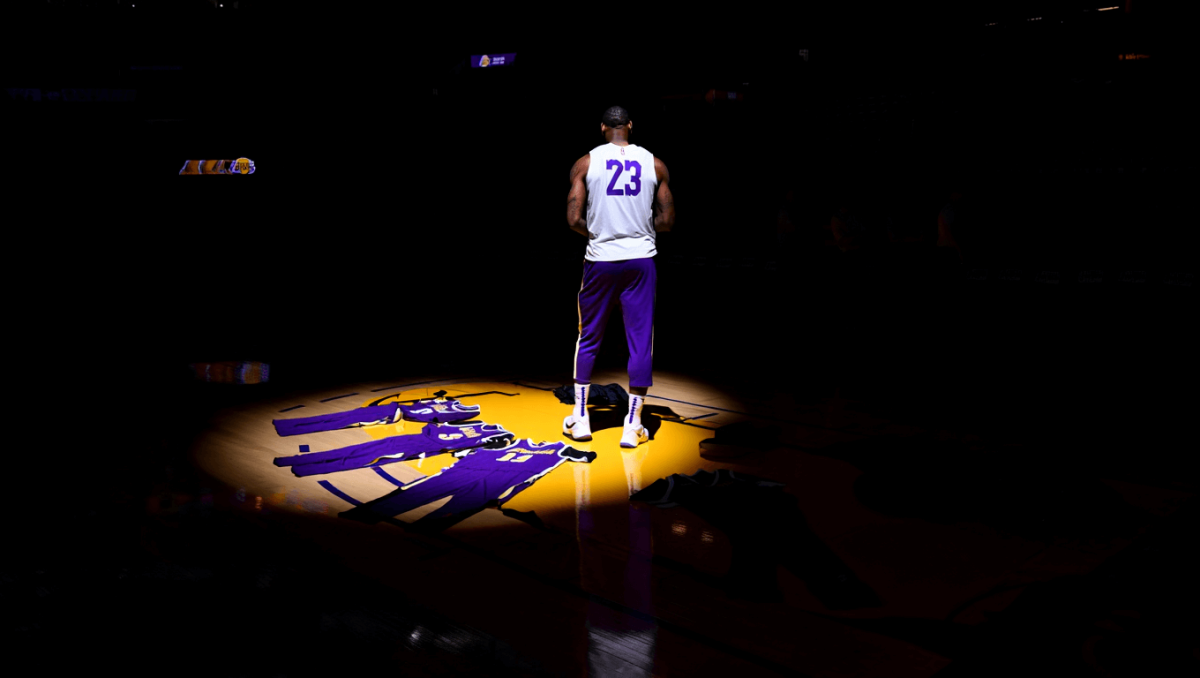
The Los Angeles Lakers have surged out of the gate this season, posting an eye-catching 15-5 mark and sitting near the top of the Western Conference. Behind a renewed offensive rhythm and the return of a veteran leader, the club looks cohesive. But beneath the shine is a yawning imbalance that could complicate any deep playoff run.
Why the starters are firing on all cylinders
Los Angeles’ primary lineup has been sensational on offense. Coaching adjustments and role clarity have helped the unit hit a high tempo.
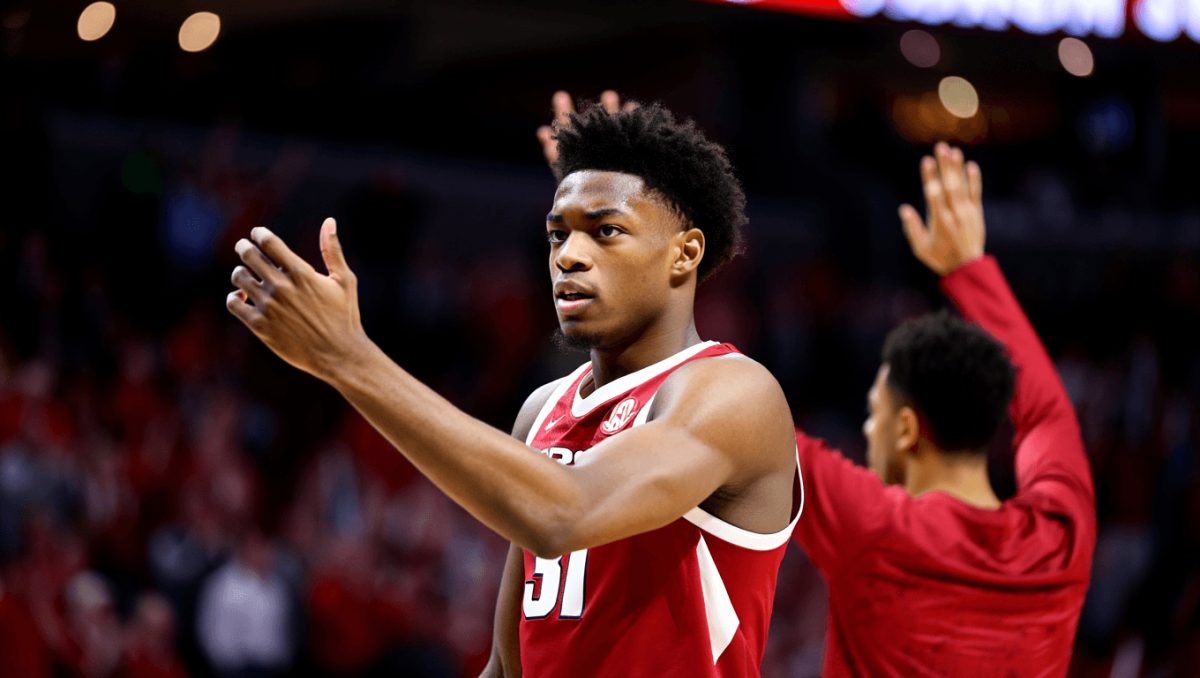
Arkansas’ Darius Acuff Jr. earns rare Kyrie Irving comp from Bill Simmons
Sean Penn awarded Oscar forged from war-damaged Ukrainian train: he skipped the ceremony
- Starters lead the NBA in points per game, putting up an average of 95.9 points.
- The return of a veteran star improved spacing and three-point accuracy substantially.
- Rotation pieces like Rui Hachimura and Deandre Ayton have added reliable scoring and finishing.
The mix of veteran savviness and role players executing has made the starting five one of the league’s most productive offensive groups.
Stark contrast: bench scoring slump
When the starters sit, the scoreboard tells a different story. The Lakers’ second unit has struggled to provide offensive support.
- The bench ranks last in the NBA in scoring, averaging just 23.7 points per game.
- This produces an enormous disparity between starter and reserve production.
- Such a split creates game-to-game instability when starters need rest.
Who has shown promise on the reserve unit?
There are individual bright spots, but they haven’t added up consistently.
- Jake LaRavia: flashed scoring instincts and court awareness.
- Marcus Smart: provided leadership and occasional offensive sparks.
- Jaxson Hayes: offered finishing around the rim when given minutes.
Despite those contributions, the bench has lacked a steady, high-volume scorer to close the gap.
Why this imbalance matters for playoff ambitions
Early-season records can mask structural problems. A weak bench can bite in three key areas.
- Fatigue management — starters may log heavier minutes late in the year.
- Matchup vulnerability — opponents can exploit periods when the second unit is on the floor.
- Injury insurance — depth matters when a key player misses time.
If the bench cannot deliver scoring relief, the team’s title hopes could face added risk.
Paths to shore up the second unit
The front office and coaching staff have options to balance minutes and scoring output.
- Internal development — give promising young players a clearer offensive role.
- Rotation tweaks — change lineups to find better chemistry and spacing.
- Trade market — pursue a reliable scorer or a versatile wing to complement the starters.
Look for moves focused on consistent scoring and shooting. The Lakers may be willing to add a bench scorer before the trade deadline.
Other Lakers and league headlines worth following
- Trade scenarios connecting elite wings with high-profile scorers are circulating.
- Austin Reaves continues to draw comparisons to historic shooting guards.
- Longstanding statistical streaks around veteran stars are under the microscope.
- Notable in-season achievements have drawn attention league-wide.
- Veteran players are naming the toughest opponents they’ve faced in their careers.