Show summary Hide summary
- Why Simmons Placed Blame After Frehley’s Death
- What Officials Found: Autopsy and Medical Facts
- Funeral Details and the Open-Casket Service
- Kennedy Center Honor and a Short Reunion in Washington
- Band Statements and Personal Reflections
- Ace Frehley’s Career with KISS and Later Years
- Immediate Aftermath and How the Band Responded
- Resources for Anyone Struggling with Substance Issues
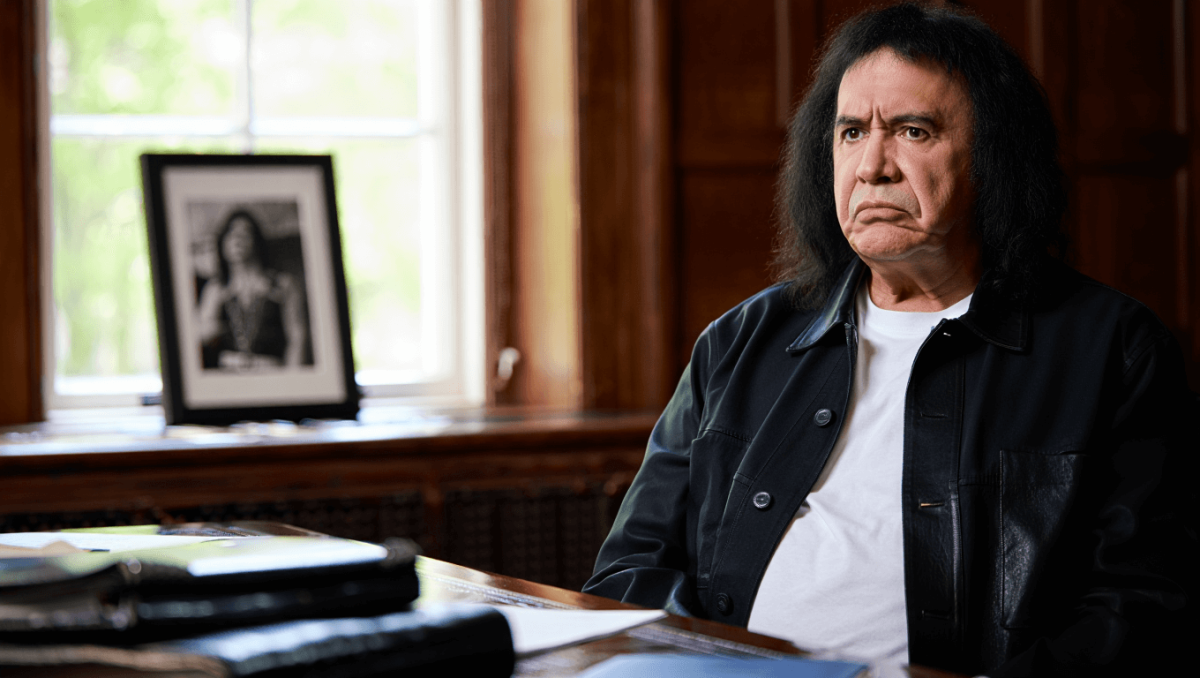
Gene Simmons has publicly blamed a string of poor choices for the death of his onetime KISS bandmate Ace Frehley, saying the guitarist ignored warnings from friends and family before his fatal fall in New Jersey. Simmons described the loss as heartbreaking and expressed regret over missed chances to help his longtime colleague.
Why Simmons Placed Blame After Frehley’s Death
Simmons told reporters he believes Frehley’s lifestyle decisions contributed to the tragedy. He said friends, including himself, urged the guitarist to change habits that were harming him. According to Simmons, those appeals were repeatedly declined.
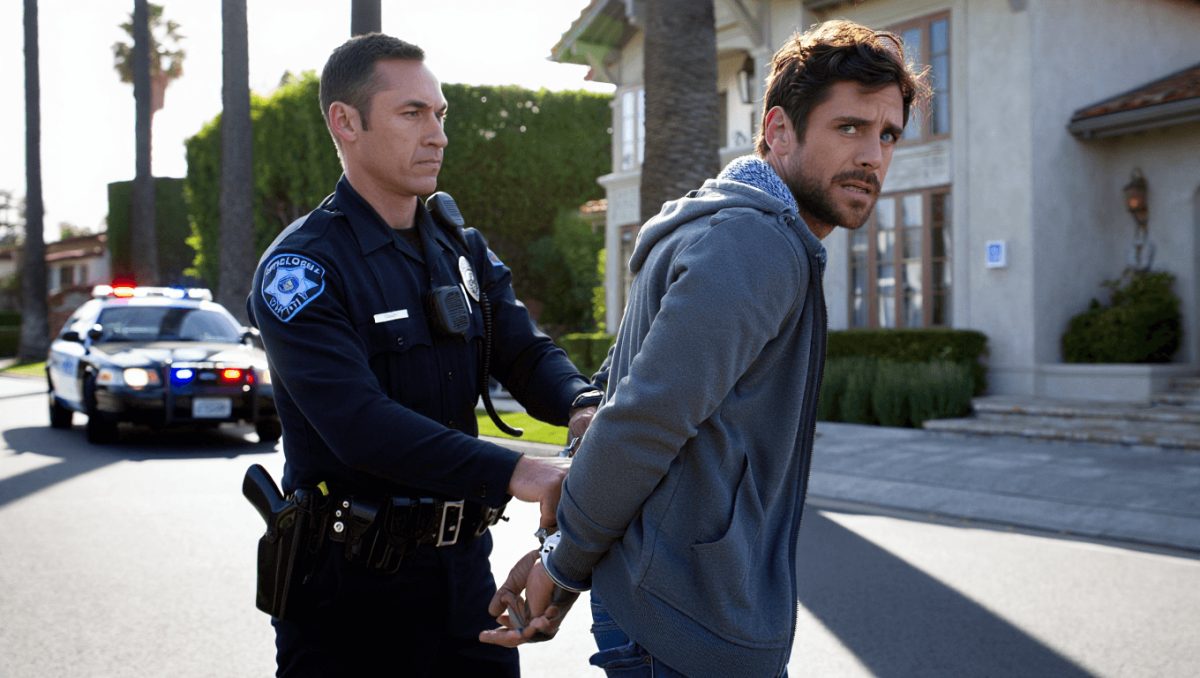
Nickelodeon star arrested after alleged Malibu burglary
Euphoria season 3: Sydney Sweeney left off set as feud with Zendaya intensifies
“I tried to help,” he said, adding that avoiding confrontation to keep the band working was a shared failing.
What Officials Found: Autopsy and Medical Facts
The autopsy and medical records made the physical cause of death clear.
- Frehley suffered a skull fracture after a fall.
- He sustained a brain bleed and suffered a stroke.
- He was placed on life support and underwent a procedure that did not succeed.
- Family members later elected to withdraw life-sustaining treatment.
Authorities ultimately ruled his death accidental. The musician was 74.
Funeral Details and the Open-Casket Service
Simmons described attending a private funeral for Frehley on Oct. 22. He said he, Paul Stanley and original KISS drummer Peter Criss were present at the open-casket service. The moment, he added, was profoundly sad for everyone there.
Kennedy Center Honor and a Short Reunion in Washington
Days after the funeral, the surviving KISS members traveled to Washington, D.C., to accept a Kennedy Center Honor. Simmons said it was painful to think Frehley could not live to hear the tributes planned for the ceremony.
He lamented that Frehley missed the chance to see prominent figures recognize how much KISS meant to them.
Band Statements and Personal Reflections
Shortly after the family announced Frehley’s passing, Simmons and Paul Stanley released a joint statement expressing devastation. They called Frehley an “essential and irreplaceable” force in the band’s formative years. The statement extended condolences to his estranged wife, Jeanette, his daughter Monique, and fans worldwide.
Simmons later told another outlet he carried personal regrets. He said the group often chose to avoid conflict to keep tours and business moving. That avoidance, he believes, allowed personal problems to worsen for some band members.
Regrets About Avoiding Tough Conversations
- Simmons admitted band members sometimes prioritized touring and income over intervention.
- He said that in pursuit of success they avoided challenging conversations that might have helped members in trouble.
Ace Frehley’s Career with KISS and Later Years
Frehley was a founding member of KISS in 1973. He left in 1982, rejoined in 1996, and departed again in 2002. His guitar work made a lasting impact on the band’s sound and image.
Over the years, Frehley faced public struggles with alcohol. Some accounts note periods of sobriety, including a lengthy span reported before his death.
Immediate Aftermath and How the Band Responded
Following the news of his passing, tributes streamed in from fans and fellow musicians. Simmons spoke candidly about sorrow and the complications of long friendships within rock bands, calling the loss “heartbreaking.”
Resources for Anyone Struggling with Substance Issues
If you or someone you love is affected by substance use or related issues, help is available. Call SAMHSA’s National Helpline at 1-800-662-HELP (4357) for support and treatment options.