Show summary Hide summary
- How Papier rode a renewed appetite for analog planning
- U.S. expansion and retail reach fueling growth
- Product mix: planners, phonebooks and new categories
- Brand storytelling and campaigns centered on slowing down
- Marketing channels: creators, retail events and TikTok virality
- Inventory, promotions and loyalty strategies
- Analog revival across categories
- Brunt Workwear’s banner Black Friday performance
- Fashionphile adds care products to protect resale value
- Oura’s hiring surge as valuation and revenue targets climb
- Stories and links worth following
- Topics we’ve recently covered
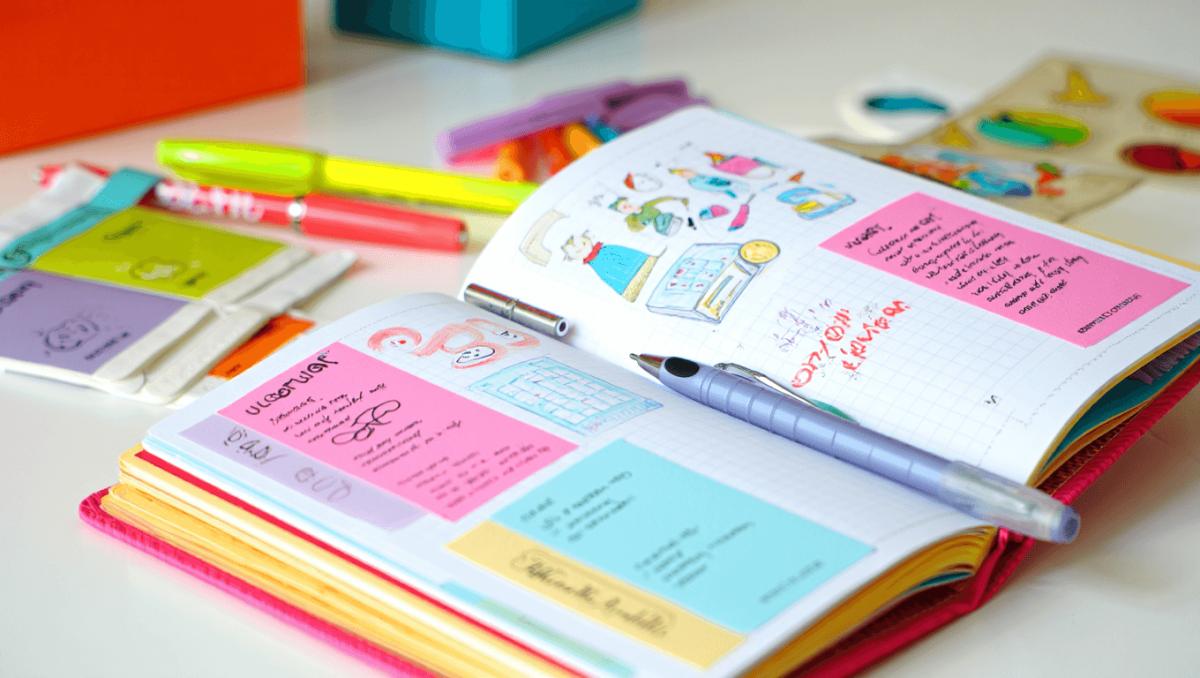
As the new year approaches, pen-and-paper products are enjoying a high-profile comeback. Shoppers hunting for planners and handcrafted stationery are driving sharp sales growth, and brands once overshadowed by digital apps are reclaiming shelf space and social feeds.
How Papier rode a renewed appetite for analog planning
London-based Papier has seen its business double in three years. The brand projects it will top $50 million in sales by 2025. Leadership credits part of that surge to rising interest in analog tools as consumers react to the spread of AI and digital overload.
Arkansas’ Darius Acuff Jr. earns rare Kyrie Irving comp from Bill Simmons
Sean Penn awarded Oscar forged from war-damaged Ukrainian train: he skipped the ceremony
Papier’s fourth quarter has always been the busiest, but this season the company posted a 30% year-over-year jump in overall sales. Planner sales alone were up about 20% year-over-year by October, and Black Friday produced the company’s strongest single-day revenue to date.
U.S. expansion and retail reach fueling growth
The firm says the United States is its fastest-growing market and now represents just over half its income. Papier sells directly to consumers online, where roughly half of buyers return for repeat purchases.
Wholesale distribution spans about 4,300 retail doors across 13 countries. Key partners include Anthropologie, Barnes & Noble, Nordstrom and Target, which began carrying the brand in March 2024.
Product mix: planners, phonebooks and new categories
Papier has broadened its catalog beyond planners to include phonebooks and other paper goods. Phonebook sales climbed 72% year-over-year. The company’s most sought-after seasonal item is an Advent calendar with 24 full-size surprises. A waitlist opened for that in August.
- Top seasonal product: Advent calendar of 24 full-sized items.
- Promotion tactics: early-bird access for repeat customers.
- Recent discounts: repeat customers received up to 35% off during a pre-Black Friday week.
Brand storytelling and campaigns centered on slowing down
Papier has shifted messaging from productivity to intentional living. Campaigns such as “Find your Rhythm” highlight mindful routines. Gift-focused creative leans on the phrase “Made to Treasure”.
Rather than leading with efficiency, the brand emphasizes tactile craft and human-centered design. The CEO says buyers are making conscious choices to avoid fully digitizing their lives and enjoy analog rituals.
Marketing channels: creators, retail events and TikTok virality
While not heavily reliant on influencer marketing in Q4, Papier deploys creator and partner content to amplify seasonal themes. Collaborations this year included chef-led content and a fashion brand capsule. The company also staged a holiday pop-up in London with games, DIY stations and a cafe setup.
TikTok has driven significant traffic. Over the last 12 months, views from short-form content almost doubled, largely from Gen Z and Gen Alpha users. One planner clip surpassed 32 million views. Videos show curated desks and real-life uses, from shopping lists to weekly planning.
How content converts
- User-generated setups and journaling tips perform well.
- Behind-the-scenes clips build brand authenticity.
- Seasonal paid social amplifies top-performing organic posts.
Inventory, promotions and loyalty strategies
Because many products are dated, Papier manages inventory tightly to avoid overstock. The company aims to sell out each year, using early access and targeted promotions to secure sell-through.
Its loyalty program has about 500,000 members. Future plans include enhanced perks like exclusive discounts and early product drops to increase retention.
Analog revival across categories
Papier’s success is part of a broader trend toward physical goods. Social trends such as “stationerycore” show millions of users celebrating tactile supplies. Analog music formats also rebounded: vinyl exceeded $2 billion in sales last year, according to industry data.
Startups are similarly reviving older product types, from corded phones to digital-less cameras, as consumers seek slowing and novelty.
Brunt Workwear’s banner Black Friday performance
Workwear brand Brunt reported record Cyber Week results, fueled by early deals and limited-edition drops. The company sold special all-black boots and seasonal camo hoodies, and used tiered incentives to drive cart sizes.
- $3 million: Sales on Black Friday alone, up from $1 million the prior year.
- Every five seconds: A new order arrived on Black Friday.
- $15 million: Total revenue across the BFCM period.
- Top category: Apparel and accessories; boots fell to second place.
Fashionphile adds care products to protect resale value
Resale platform Fashionphile has quietly introduced an Investment Protection Collection. The new lineup complements its pre-owned handbag business and includes cleaning kits, wipes and a mending kit.
The cleaning kit launched in June and remains a cornerstone offering. Prices range from about $20 for wipes to roughly $85 for a kit with conditioner and microfiber cloth.
Fashionphile’s restoration team has handled over 2 million handbags. The company argues that better care increases resale prices and creates a virtuous cycle for the market. It will support the launch with educational content and social creative from ambassador Martha Stewart.
Oura’s hiring surge as valuation and revenue targets climb
Smart ring maker Oura is recruiting for more than 70 roles across engineering, retail marketing and operations. The company is hiring a director of retail marketing for the Americas to expand its brick-and-mortar partnerships.
Oura raised about $900 million in October, pushing its valuation to near $11 billion. The company projects roughly $1 billion in annual revenue, prompting the global hiring push and new retail initiatives like a Harrods concept shop.
Stories and links worth following
- Quince is broadening its assortment and recently added wine to its categories.
- On teased ambitious product releases set for 2026 in a recent interview.
- Business of Fashion explored why influencer collaborations are proliferating across brands.
Topics we’ve recently covered
- How Oura’s CMO helped steer the company toward a projected billion-dollar year.
- Startups shifting podcast strategies as big brands saturate the ad market.
- Holiday marketing playbooks: limited-time promos and “12 days of deals.”