Show summary Hide summary
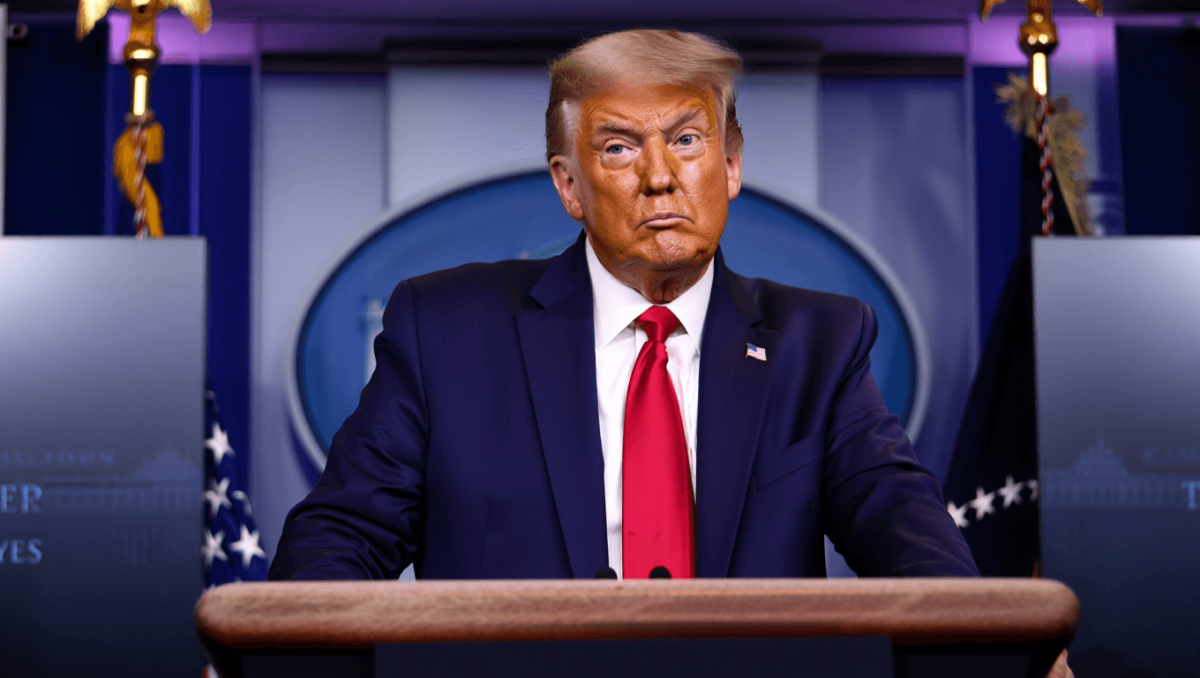
Ten months into his return to the presidency, Donald Trump has already etched his name into an unwanted record book: he now presides over both the longest and the second-longest federal government shutdowns in U.S. history. The milestone has renewed debates about political brinkmanship and produced a flood of reactions online.
Trump’s two shutdowns: a brief fact check
The longest shutdown under Trump lasted 35 days, running from December 22, 2018, to January 25, 2019. The current stoppage has stretched to 29 days and is ongoing.
Arkansas’ Darius Acuff Jr. earns rare Kyrie Irving comp from Bill Simmons
Sean Penn awarded Oscar forged from war-damaged Ukrainian train: he skipped the ceremony
Key points
- First shutdown (longest): 35 days, Dec. 22, 2018–Jan. 25, 2019.
- Current shutdown (second-longest): 29 days and counting.
Where these shutdowns sit in historical context
When measured by duration, the recent shutdowns now top the list of longest federal funding gaps. The ranking shows how rare multi-week closures have been until recent years.
- 1st: Donald Trump — 35 days (Dec 2018–Jan 2019)
- 2nd: Donald Trump — 29 days and counting (current)
- 3rd: Bill Clinton — 21 days (Dec 1995–Jan 1996)
- 4th: Jimmy Carter — 18 days (1978)
- 5th: Barack Obama — 16 days (Oct 2013)
Timeline highlights of the two longest closures
The 2018–2019 shutdown centered on border funding and policy disputes. Federal agencies reduced operations and many employees faced furlough.
- Late December 2018: Lapses in appropriations began as negotiations faltered.
- January 2019: The shutdown extended past the new year before temporary measures reopened the government.
- Current closure: Negotiations remain stalled, prolonging service disruptions and public concern.
How citizens and commentators have reacted online
Social media filled quickly with commentary, memes, and political analysis. Users connected past shutdowns to the present, and many voices framed the situation as a test of governance.
- Humor and satire: Memes comparing historical shutdowns to today.
- Criticism from opponents: Calls for accountability and urgent compromise.
- Support from allies: Arguments defending the administration’s negotiating stance.
Practical impacts and what to watch next
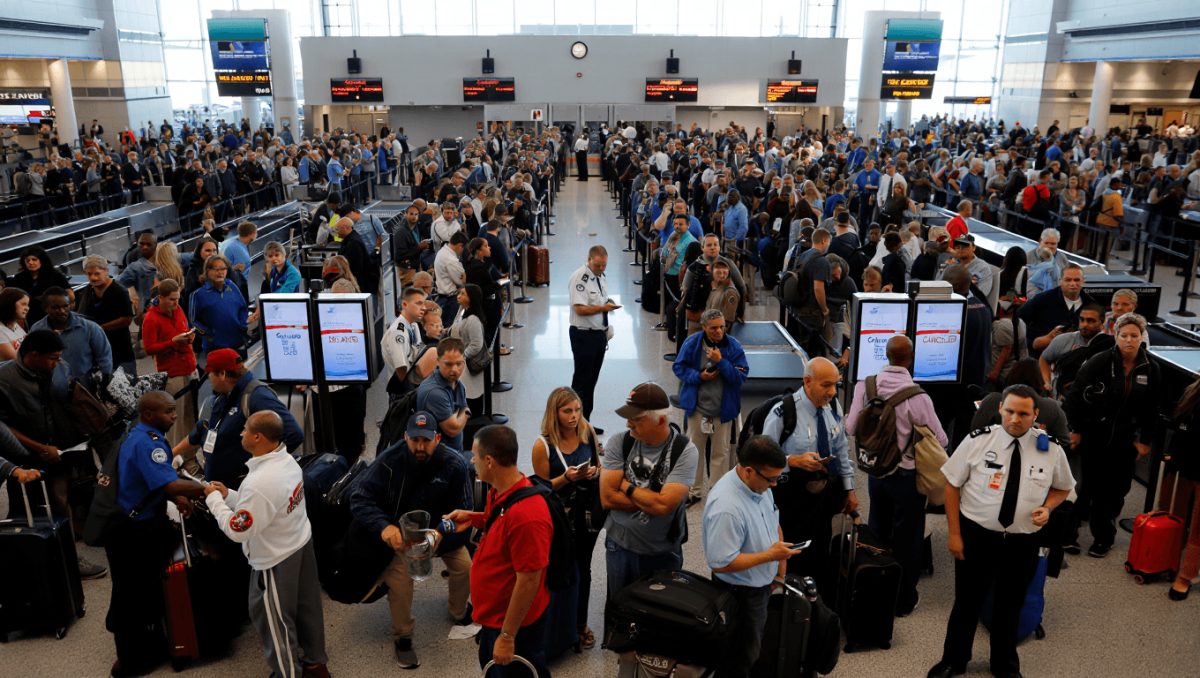
Extended funding gaps affect federal workers, public services, and economic confidence. Observers are tracking negotiations in Congress and statements from the White House for signs of resolution.
- Furloughed employees and contractors face financial strain.
- Services deemed nonessential operate at reduced capacity.
- Market and consumer confidence can shift if the shutdown continues.
Voices from the public
Online threads and posts show a mix of frustration and dark humor. Many users draw connections between the two shutdowns under the same president.
If you have reactions or local impacts to share, readers are posting firsthand accounts across social platforms and news comment sections.