Show summary Hide summary
- From low awareness to mainstream recognition: the strategy behind Oura’s rise
- Retail rollouts that changed the business trajectory
- Product, pricing, and positioning: making a ring sell in mass channels
- Marketing campaigns and cultural collaborations that amplified reach
- Channel partnerships and strategic deals that fueled scale
- Growth milestones and financial momentum
- Operational headwinds: legal fights, public scrutiny, and retail logistics
- Product ecosystem: app updates and expanded capabilities
- Preparing for mass retail tests and the next phase
- Retention and the question of long-term value
- Team, leadership, and the people behind retail execution
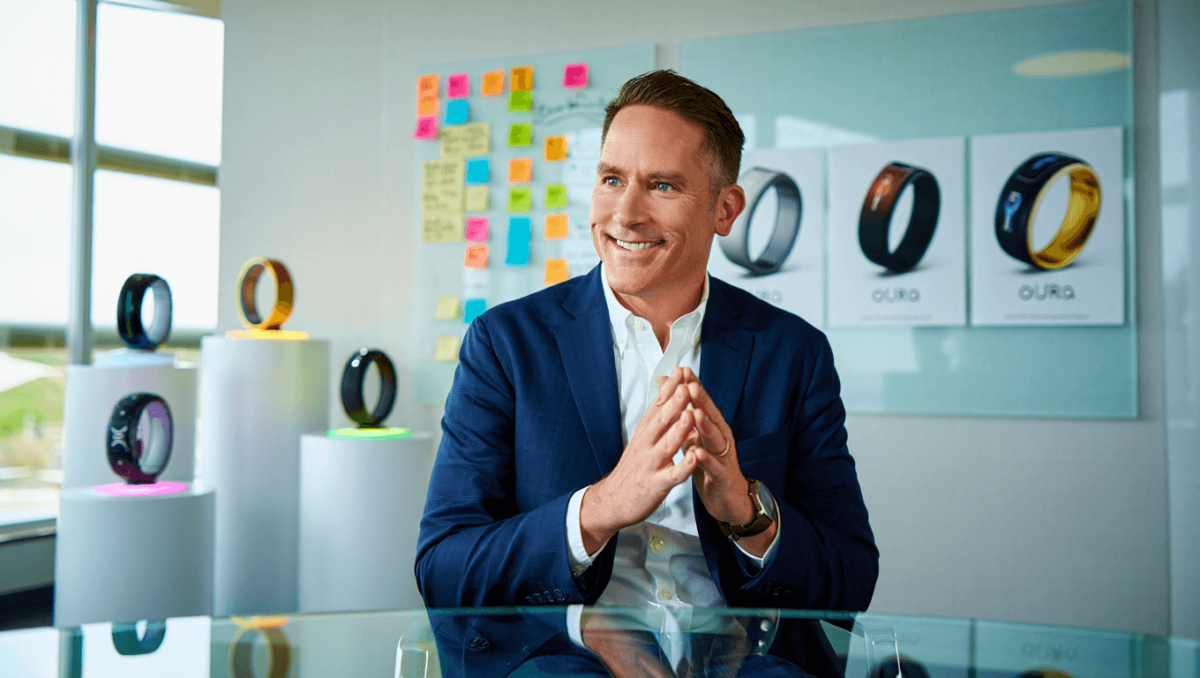
When Doug Sweeny arrived at Oura in 2022, he saw a product loved by users but rarely seen by shoppers. What followed was a focused effort to move the smart ring from niche tech circles into mainstream retail aisles and broader cultural conversations.
From low awareness to mainstream recognition: the strategy behind Oura’s rise
Early research at Oura revealed a striking gap: most adults in the U.S. had never heard of the brand. The company relied on direct-to-consumer sales, limiting opportunities for discovery. Sweeny identified distribution as the first barrier to growth.
He and his team prioritized placing the ring where everyday shoppers could touch, try, and learn about it. That shift pushed Oura from a Nordic sleep tracker to a recognizable wellness brand across major markets.
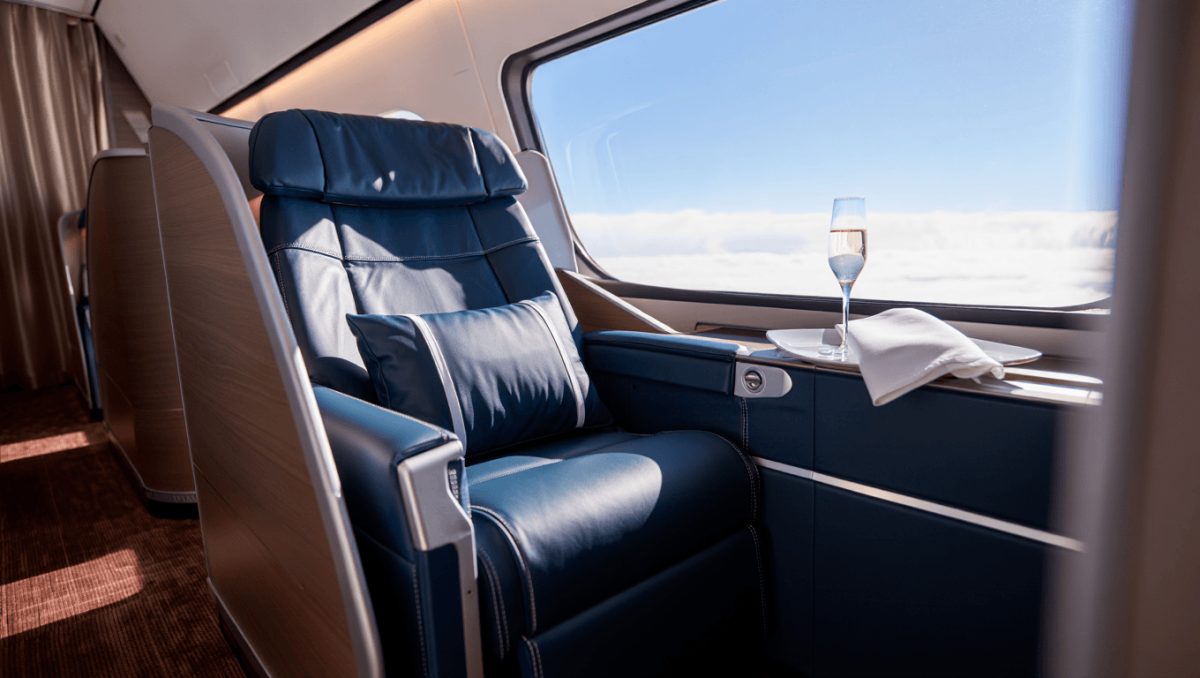
United Polaris Studio suites: tickets now on sale for April inaugural flights
Auston Matthews-Radko Gudas controversy: Pierre LeBrun predicts fallout
Key outcomes:
- Awareness in the U.S. rose from roughly 5% to about 30%.
- Oura expanded to more than 4,000 retail locations worldwide.
- The company reported rapid revenue growth and moved toward profitability.
Retail rollouts that changed the business trajectory
Oura’s retail expansion followed a deliberate, stage-by-stage playbook. Instead of a scattershot approach, the company tested partnerships that could teach shoppers what the ring does and why it matters.
In the U.S., the first major retail placement came at Best Buy in April 2023. That was followed by listings on Amazon and Target in spring 2024, and a launch in Costco the next year. Internationally, Oura started in the U.K. with John Lewis, then broadened its footprint to Currys, Argos and Harrods.
- April 2023: Best Buy U.S. debut
- Spring 2024: Amazon and Target rollouts
- Spring 2025: Costco and expanded wholesale distribution
- U.K. expansion: John Lewis to Harrods pop-up concept
The Harrods installation was designed as more than a shelf presence. Velvet drapery, a large sculptural hand for sizing, and trained staff created a boutique-like discovery space. That experiential approach aimed to bridge the gap between the product’s price point and consumer expectations.
Product, pricing, and positioning: making a ring sell in mass channels
One of the biggest obstacles was explaining a $349-plus ring with an optional subscription in mass-market environments. Sweeny and colleagues balanced product storytelling with practical education.
They emphasized the ring’s elegant design, sleep and stress tracking, and women’s health features. Messaging adapted by market: Germany-focused campaigns highlighted technology and precision. Japan-centered efforts emphasized sleep benefits and skewed toward women. The U.K. sat between those approaches as awareness rose.
What changed in messaging:
- From technical specs to human stories about sleep and recovery.
- From niche fitness tool to lifestyle accessory that fits fashion sensibilities.
- From single-use health gadget to platform with partnerships across health tech.
Marketing campaigns and cultural collaborations that amplified reach
Sweeny pushed for creative campaigns that combined humor, cultural cues, and earnest health storytelling. One standout effort this past summer used a bold tagline and imagery aimed at older adults to expand the user base beyond millennials and Gen Z.
He also leaned into pop culture tie-ins and sports partnerships. These efforts helped position the ring as both a wellness tool and a fashion statement—something that many healthcare-oriented devices struggle to accomplish.
Notable initiatives:
- Multi-channel campaigns focused on longevity and aging gracefully.
- Pop culture activations, including film-themed spots and team partnerships.
- Design updates such as a colorful ceramic ring line to broaden aesthetic appeal.
Channel partnerships and strategic deals that fueled scale
Beyond retail shelves, Oura pursued distribution through healthcare systems and B2B relationships. The commercial team worked to ensure product discussions included marketing and storytelling from the start.
Those cross-functional conversations helped translate engineering and clinical advances into narratives that resonate with consumers. Marketing reframed technical outcomes as stories about real people, sleep improvement, and daily recovery.
Partnerships and integrations
- Integration with glucose-monitoring firm Dexcom to reach health-focused audiences.
- Collaborations with menstrual tracking platforms such as Natural Cycles.
- Exploration of healthcare system distribution to increase medical-level credibility.
Growth milestones and financial momentum
By 2024 Oura reported approximately $500 million in revenue, a step change from the prior year. The company sold millions of rings to date and entered 2025 with continued momentum.
In October 2025, Oura secured a major funding injection of $900 million to accelerate expansion. New product lines, wider retail distribution, and app enhancements were all part of the investment plan. With that backing and improving margins, the firm projected it could surpass $1 billion in annual sales.
Highlights:
- Over 5 million rings sold globally.
- Significant VC funding in late 2025 to scale operations.
- Ambition to reach mass-market buyers without sacrificing premium positioning.
Operational headwinds: legal fights, public scrutiny, and retail logistics
Rapid growth introduced new challenges. The company defended intellectual property in court, which added legal complexity and cost. Public scrutiny mounted over enterprise work, including controversial contracts that drew online criticism.
Retail rollouts required months, sometimes years, of negotiation to align on launch timing, in-store messaging and logistical details. Pricing and subscription models demanded extra care when presenting the product to mainstream shoppers.
Main challenges:
- Legal disputes around IP that required management attention.
- Reputational pushback tied to defense-related contracts.
- Complex retailer negotiations to synchronize messaging and inventory.
Product ecosystem: app updates and expanded capabilities
To maintain long-term engagement beyond initial sleep improvements, Oura invested heavily in software. Recent app releases added features focused on stress, women’s health, and ongoing wellness insights.
The company views integrations and partnerships as critical to keeping users active. By linking with other health platforms and devices, the ring becomes part of a broader health routine rather than a one-time tracker.
Preparing for mass retail tests and the next phase
One of the most consequential moves on the horizon is expansion into Walmart’s online and forthcoming brick-and-mortar presence. Conversations with Walmart spanned approximately two years before the in-store launch.
Moving into such large-format retail is a major test of how the product performs with more casual consumers. The team is focused on placing the right story in front of customers and ensuring in-store experiences match the product’s premium feel.
Executives also prioritize deeper distribution through healthcare organizations. Achieving wider acceptance in medical channels could boost credibility and create new acquisition pathways.
Key focus areas for the coming year
- Refining in-store storytelling for mass retailers.
- Expanding healthcare partnerships to reach clinical channels.
- Continuing app feature development to improve long-term retention.
Retention and the question of long-term value
Market observers note that many users seek Oura to resolve a specific issue, such as poor sleep. Once that problem improves, ongoing subscription retention becomes the central business question.
To address that, the brand emphasizes continued discovery through new app features and broader health insights. The aim is to show meaningful value beyond the initial troubleshooting window.
Retention levers include:
- Continuous feature improvements in stress and women’s health tracking.
- Partnerships that extend the ring’s utility in clinical and lifestyle contexts.
- Creative campaigns to keep the brand culturally relevant.
Team, leadership, and the people behind retail execution
Sweeny credits a mix of internal talent for coordinating retail and marketing success. Colleagues with deep retail and international experience built the frameworks for each market launch. Close collaboration across commercial, retail, and product teams proved essential.
Executives note that marketing had to be at the table for complex deals. Bringing storytelling into negotiations helped translate technical advances into emotionally resonant consumer messages.
Team contributions:
- Retail leaders who executed in-market activations and partnerships.
- Commercial leaders who negotiated complex distribution agreements.
- Product and engineering partners who enabled new app integrations.