Show summary Hide summary
- Make holiday signals fuel for year-long customer journeys
- Build consistent omnichannel experiences customers expect
- Use AI and automation to scale personalized outreach
- Design promotions that grow loyalty, not just transactions
- Design systems that convert peak activity into ongoing growth
- Small teams can punch above their weight with the right tools
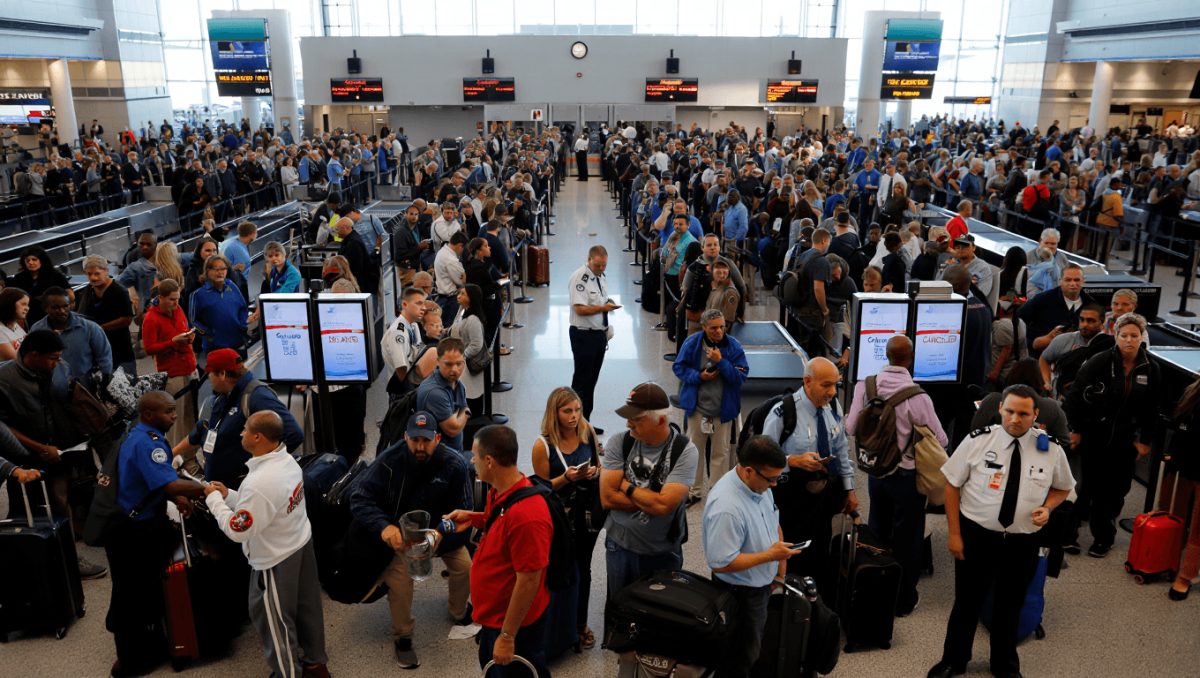
The holiday season can feel like a sprint to survive and thrive at once. For many retailers, this period produces a huge share of annual sales. Yet when marketing collapses into one intense quarter, brands miss chances to build ongoing relationships. Smart teams treat Q4 not as an endpoint but as a launchpad for the year ahead.
Make holiday signals fuel for year-long customer journeys
Arkansas’ Darius Acuff Jr. earns rare Kyrie Irving comp from Bill Simmons
Sean Penn awarded Oscar forged from war-damaged Ukrainian train: he skipped the ceremony
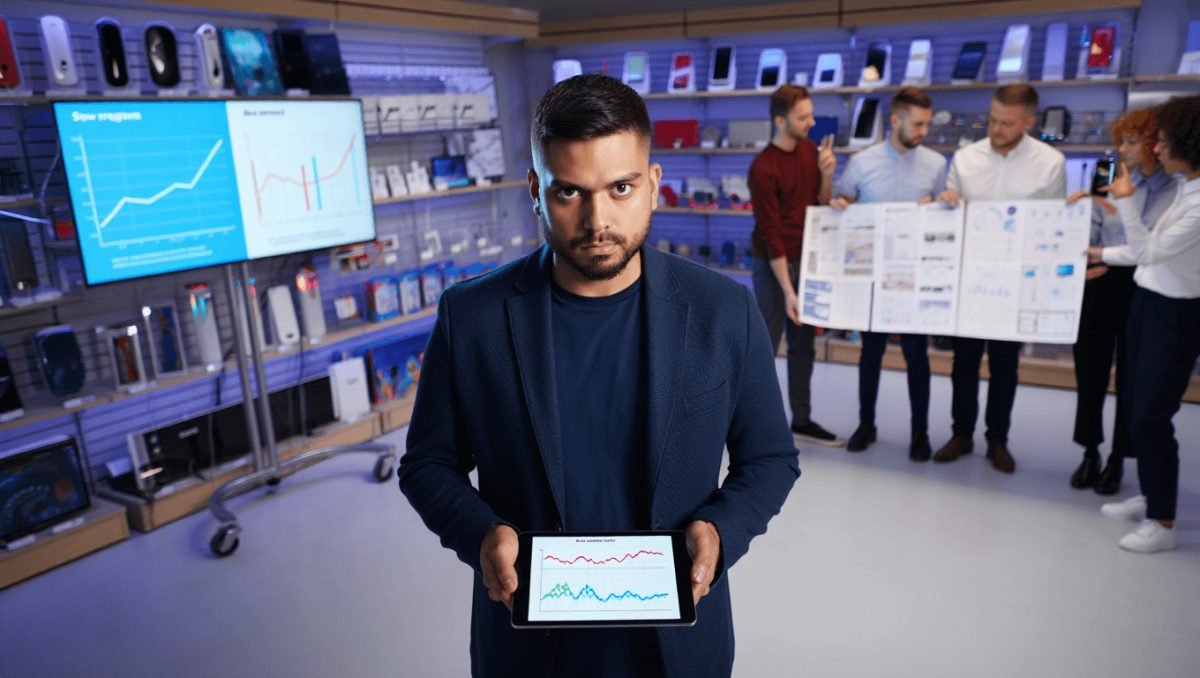
Big shopping moments generate an unprecedented volume of behavioral data. Browsing paths, purchase habits and campaign responses all reveal what customers want. But that insight only pays off when brands connect the dots across systems.
Centralizing customer signals means fewer repeated messages and better timing. It reduces friction between email, social, SMS and onsite experiences. It also prevents the common pitfall of siloed teams sending competing promotions.
- Collect browsing, cart and purchase events in one repository.
- Use unified profiles to track preferences and recency.
- Prioritize events that predict future spend, like repeat visits.
AI can surface patterns fast. It highlights which offers convert and which creatives flop. Then automation applies those findings in near real time. This cycle turns each holiday campaign into a learning engine that improves later touchpoints.
Build consistent omnichannel experiences customers expect
Shoppers move quickly between inboxes, apps and storefronts. They expect context to travel with them. When it doesn’t, brands look disjointed and lose trust.
Consistency across channels means maintaining tone, timing and relevant offers. It also means avoiding message fatigue. Nearly four in ten consumers say constant promotions are overwhelming. A coherent plan reduces that overload.
Practical ways to keep context across touchpoints
- Sync campaign calendars and audience segments across platforms.
- Align creative assets so visuals and headlines match the customer’s stage.
- Map out how an email welcome flows into onsite recommendations.
Small teams benefit most from this approach. When data flows freely, fewer manual handoffs are needed. That saves time and preserves a unified brand voice as customers move from discovery to purchase.
Use AI and automation to scale personalized outreach
Not every marketer masters every channel. That gap is where AI and automation add value. Smart systems can amplify the best ideas from the team. They also fill skill and bandwidth gaps.
While almost all marketers expect AI to boost results, many have yet to deploy it fully. A practical path is to start with automation that extends your highest-performing messages.
- Turn top-performing subject lines into templates for similar audiences.
- Automate behavior-based flows for cart recovery and post-purchase care.
- Use AI to personalize product recommendations at scale.
Automation can convert more than batch sends. For stores connected to marketing platforms, triggered flows often deliver far more orders than one-off blasts. Segmentation by behavior, spending cadence and engagement level helps push the right message at the right moment.
Design promotions that grow loyalty, not just transactions
Flash sales and scarcity can drive short-term conversion. But they rarely build long-term attachment. A meaningful holiday push should also deepen trust and show value beyond the discount.
Brands that weave educational content, helpful tools or free resources into campaigns often see better retention. One industry example showed that a timed free offer led to higher revenue and increased conversion into paid products.
- Give first-time buyers a reason to return.
- Make post-purchase communications reliable and useful.
- Offer restock alerts and transactional updates to maintain engagement.
Reliable experiences after purchase — like SMS order updates or helpful follow-ups — can be as valuable as the initial discount. They turn one-off shoppers into repeat customers.
Design systems that convert peak activity into ongoing growth
Treat the holiday surge as the opening act of a longer story. When teams plan follow-up journeys, they preserve the gains from seasonal traffic. That requires three elements working together:
- Unified data to keep profiles current.
- Automation to apply insights across channels.
- Personalized touches that reward repeat engagement.
These pillars help brands build trust with both customers and algorithms. A stable, coherent presence on sites, marketplaces and in reviews signals reliability. That, in turn, boosts discoverability and conversion over time.
Small teams can punch above their weight with the right tools
Not every retailer has a large staff. But modern platforms enable lean teams to deliver sophisticated campaigns. By letting automation handle routine paths, humans can focus on strategy and creative differentiation.
- Rely on templates and AI for scalable personalization.
- Automate lifecycle messages to maintain momentum after purchases.
- Measure and iterate quickly to capture evolving customer preferences.
Effective tooling frees teams to innovate. When routine work runs in the background, marketing staff can test new ideas that strengthen the brand long term.