Show summary Hide summary
- What Curtis said during the podcast and why it mattered
- Timeline: the shooting, the podcast and the immediate fallout
- Why social media reacted so strongly
- Her clarification to Variety: a claim of being “mistranslated”
- On nuance and holding contradictory views in public life
- Where readers can hear more for themselves
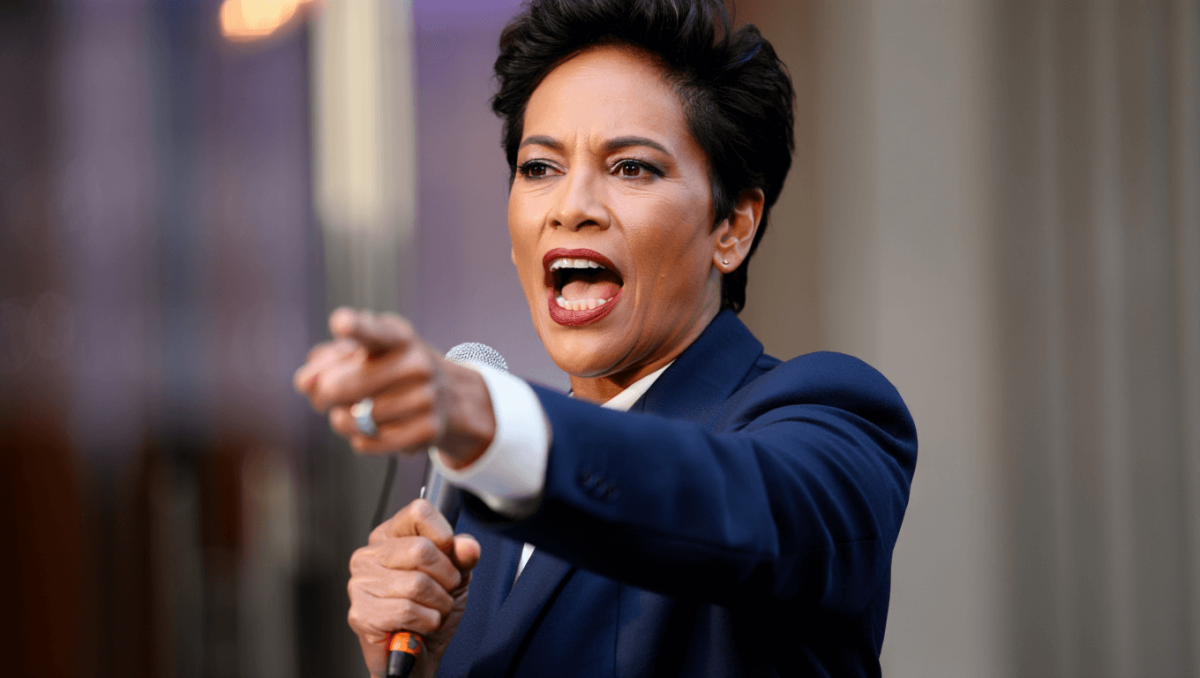
Jamie Lee Curtis found herself at the center of a heated debate after emotional remarks about the fatal shooting of conservative activist Charlie Kirk drew sharp criticism online. Her comments, made on Marc Maron’s podcast, and her later clarification in an interview with Variety, have reopened conversations about empathy, public commentary and whether nuance can survive in today’s polarized environment.
What Curtis said during the podcast and why it mattered
On the podcast, Curtis spoke about faith and the human side of a man whose politics she has long opposed. She described her reaction to Kirk’s death with visible emotion and framed her words around a hope that he experienced a spiritual connection in his final moments.
Christina Haack stuns in cream crochet bikini: responds to fourth engagement rumors
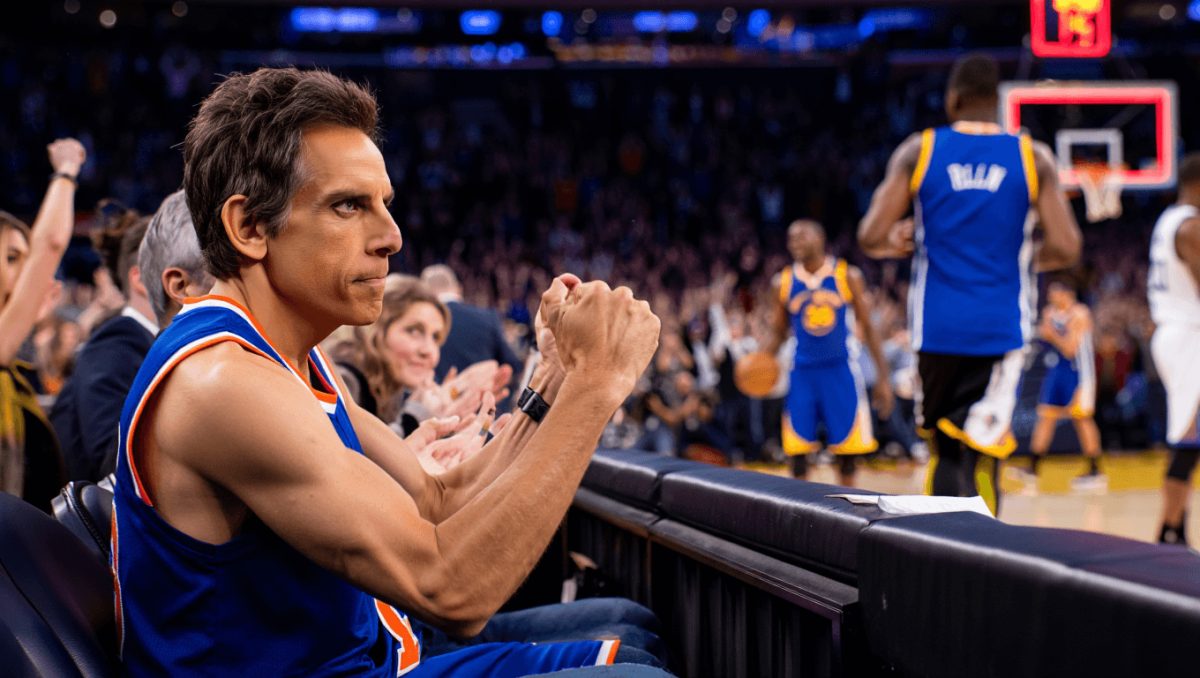
Knicks superfan Ben Stiller skips Oscars to watch gritty win over Warriors
She made clear she disagreed with his views, but also expressed a wish grounded in compassion for his family status and religious life. That mix of critique and sympathy is what many found surprising.
Timeline: the shooting, the podcast and the immediate fallout
- Sept. 10 — Charlie Kirk was shot while speaking at a university event.
- Shortly after — Curtis discussed the incident on Marc Maron’s show, speaking emotionally about faith and the human impact.
- Within days — Clips and transcripts circulated online, prompting polarized responses.
Why social media reacted so strongly
Many users rejected any expression of sympathy for Kirk, citing a long record of comments and positions they found harmful. The backlash focused on several recurring issues:
- Controversial positions on gun policy.
- Comments about LGBTQ+ rights.
- Statements related to race and civil rights.
For critics, private grief did not erase what they call a public legacy of hurtful rhetoric. For supporters of Curtis’s tone, compassion and empathy in tragedy remain important, regardless of ideology.
Her clarification to Variety: a claim of being “mistranslated”
In a new conversation with Variety, Curtis said the excerpt circulating online distorted her meaning. She argued the clip implied praise where none was intended.
She claimed the moment was “mistranslated” and that her point centered on the role of faith at the moment of death, not an endorsement of a person’s politics.
On nuance and holding contradictory views in public life
Curtis used the interview to criticize what she sees as a binary cultural climate. She argued people are quickly labeled if they try to hold two conflicting ideas at once.
Her example suggested a desire to recognize complexity: that one can identify with a community and still question or reject certain policies connected to it.
Her response to being told to watch public statements
When asked if public figures should speak more cautiously, Curtis pushed back. She said careful edits would strip interviews of honesty and that she prefers speaking authentically in the moment.
She rejected the idea of sanitizing herself for fear of controversy, noting that rehearsed answers remove the human element from conversation.
Where readers can hear more for themselves
The full podcast episode and the Variety interview are available for those who want the complete context. Hearing both sources lets listeners judge the tone and intent for themselves.