Show summary Hide summary
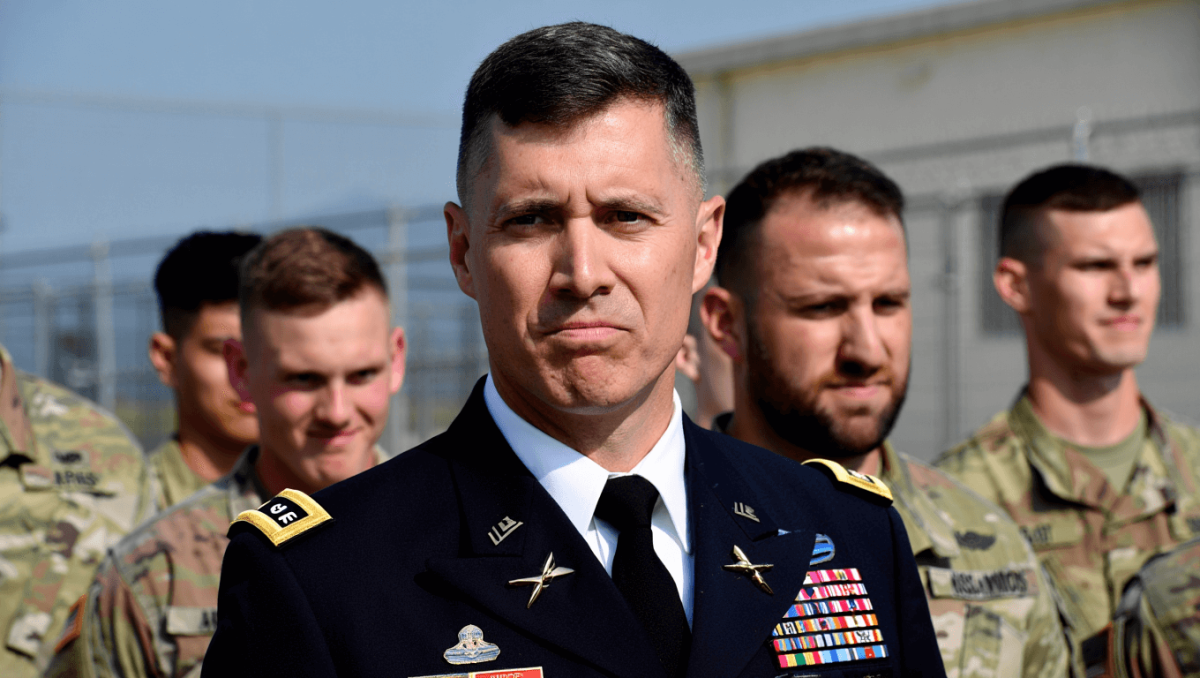
Defense Secretary Pete Hegseth is again at the center of a grooming controversy after U.S. service members with facial hair were reportedly told they could not attend a senior leader event at Camp Humphreys, South Korea. The restriction, shared through a base email and reposted on social media, has renewed debate about military appearance rules as Hegseth embarks on a tour of Indo‑Pacific bases.
Who was excluded and why: Camp Humphreys crowd control
An internal message circulating among personnel at Camp Humphreys and Osan Air Base said troops who hold shaving waivers were not permitted to join the event. The notice applied to service members who are allowed to grow facial hair for medical or religious reasons.
Euphoria season 3: Sydney Sweeney left off set as feud with Zendaya intensifies
Serena Williams GLP-1 ad sparks backlash: weight-loss commercial called irresponsible and dystopian
- Location: Camp Humphreys, South Korea.
- Restriction: Troops with shaving waivers barred from the gathering.
- Source: Email reportedly sent by the 51st Fighter Wing at Osan.
How the directive surfaced: email and social media
The email was shared on an unofficial Air Force Facebook group for airmen and noncommissioned officers. That post drew attention from military reporters and outlets tracking service member issues.
Verification and reporting
An Air Force representative later confirmed the existence of the message to Task & Purpose, a website focused on defense coverage. The confirmation did not include extra details about the rationale beyond what the email stated.
Hegseth’s Asia itinerary and the Pentagon’s framing
The trip includes stops across the region as the Pentagon highlights a focus on the Indo‑Pacific. Officials say senior leaders often visit installations to meet troops and assess operations.
- Countries on the agenda include Japan, Vietnam, and Malaysia.
- The visit is described as part of routine senior‑leader engagements.
- The Pentagon has not publicly tied the grooming restriction to the visit beyond local messaging.
What Hegseth has said about grooming and culture in uniform
In recent public remarks, Hegseth called for tighter adherence to uniform standards and pushed back against what he described as permissive personal expression in the ranks. He has voiced a desire to reduce visible individuality in appearance and emphasized conformity.
Those comments included blunt language aimed at ending loose grooming practices in the services. He suggested that certain exceptions should be limited to specialized units.
Official reaction and unanswered questions
Requests for formal comment from the Pentagon and the Air Force were not immediately answered by reporters. Local commanders and human resources offices commonly handle attendance rules, but the sudden appearance of the waiver ban raised questions.
- Was the restriction a one‑time security or protocol decision?
- How will medical or religious waiver holders be accommodated going forward?
- Will national policy on facial hair be updated or clarified?
Implications for morale and policy debates
Grooming policies often touch on broader debates about identity, unit cohesion, and readiness. Critics say strict edicts risk alienating personnel. Supporters argue consistent appearance supports discipline and professionalism.
The recent message and Hegseth’s comments have reignited those conversations as the Defense Department weighs how prescriptive to be about looks across a diverse force.