Show summary Hide summary
- From web-first to real-world: why Asos is trying pop-ups
- Timeline of the pop-up push and themed activations
- How the pop-ups blend digital convenience with in-person discovery
- What Asos is learning from customers in the room
- Numbers behind the pivot: revenue, customers and cost cuts
- Leadership moves and strategic refocus
- Industry reaction: visibility vs. profitability
- What the U.S. strategy looks like next year
- In-store experiences that double as research labs
- Brands, markets and the global footprint
Asos is quietly rewriting its playbook. Once a pure online destination for trend-focused shoppers, the UK label is testing physical retail through short-term stores and immersive events to rekindle growth and reconnect with customers.
From web-first to real-world: why Asos is trying pop-ups
Founded in 2000 as a site selling items “as seen on screen,” Asos made its name online and built a loyal Gen Z audience. But slowing sales and a tighter customer base have pushed the company to experiment with brick-and-mortar formats.
Nickelodeon star arrested after alleged Malibu burglary
Euphoria season 3: Sydney Sweeney left off set as feud with Zendaya intensifies
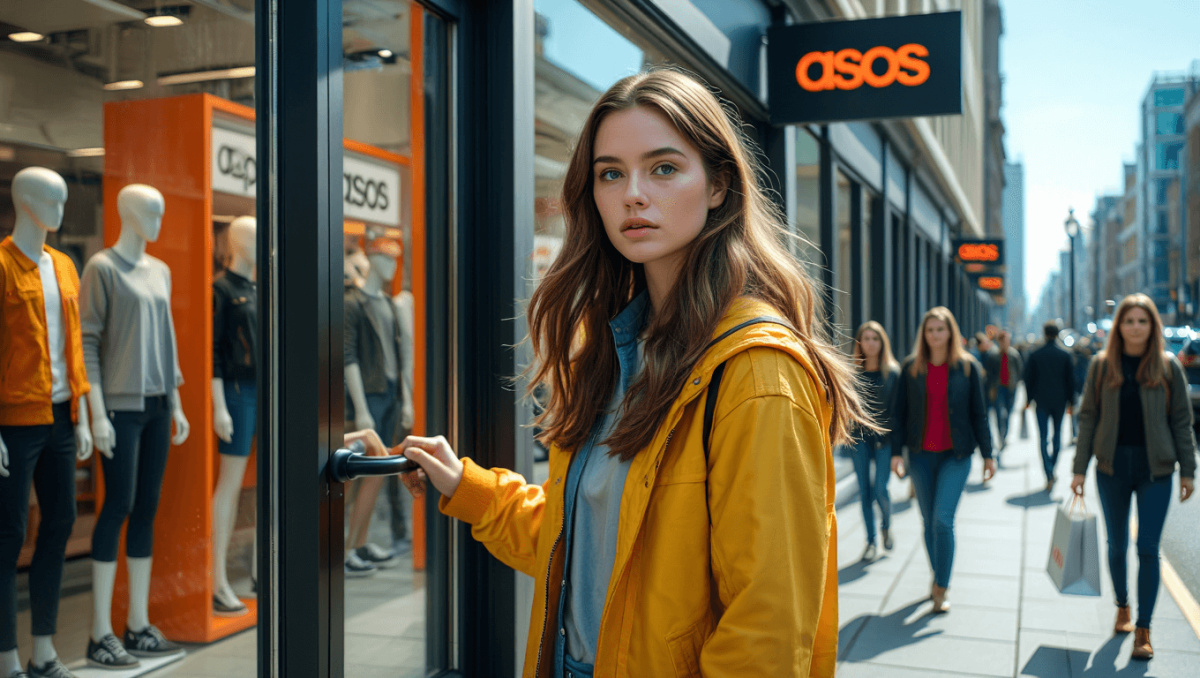
Executives now describe pop-ups as a way to gather direct feedback, boost visibility and drive online orders. The approach is not about abandoning e-commerce. Rather, Asos is using short-term retail to complement its global digital strategy and to teach the brand what shoppers want in person.
Timeline of the pop-up push and themed activations
Over the past year, Asos moved from testing to volume. Key moments include:
- Its first-ever pop-up in London, staged in 2023.
- The brand’s initial U.S. pop-up in June, held in New York City.
- A surf-inspired summer activation in the Hamptons, aimed at seasonal shoppers.
- A November appearance back in England, followed by a December pop-up in New York that opened on Dec. 5.
The current U.S. activation runs through Dec. 21 and leans into a winter-wonderland motif. Past pop-ups focused on summer looks. The latest includes a denim wall and a cozy-at-home area to showcase loungewear and PJs.
How the pop-ups blend digital convenience with in-person discovery
Asos outfits its temporary stores with tech that links shoppers directly to its website. Large screens let visitors browse alternate colors and sizes. If an item is out of stock in-store, staff can order it for home delivery.
That integration aims to spark impulse purchases while expanding online reach. In one example, the June U.S. pop-up lifted sales on Asos.com by 4% versus the prior 12 weeks.
The social impact is measurable too. The same pop-up generated over 4 million views and about 52,000 engagements across Instagram and TikTok. Demand was strong enough that Asos extended its December pop-up to three weeks.
What Asos is learning from customers in the room
Pop-up feedback is changing product mix and merchandising. Early U.S. activations highlighted dresses, but shoppers asked for more casual staples like denim and tees. As a result, Asos rebalanced the assortment for December.
Executives say the live labs help them detect new trends quickly. On-site findings can prompt adjustments to the online collection, shortening the path from customer insight to product availability.
Numbers behind the pivot: revenue, customers and cost cuts
Asos’s move to physical retail comes amid a challenging financial backdrop.
- Revenue for the fiscal year ending August 2025 was £2.5 billion, down from £2.9 billion in 2024 and £3.5 billion in 2023.
- Operating loss narrowed from £331.9 million in 2024 to £212.3 million in 2025.
- Active customers declined from roughly 19.7 million in 2024 to 17 million in 2025.
To stabilize the business, Asos has reduced head office roles, sold a majority stake in Topshop and Topman, and completed refinancing in November. The retailer is also cutting supply-chain costs and shortening production cycles for owned brands.
Leadership moves and strategic refocus
Senior-level changes have accompanied the operational reset. The finance chief stepped down in June, and the board chair left in November. Leadership shifts and corporate restructuring are part of a broader push to sharpen the brand’s competitive edge.
Working with creators, optimizing supply chains and accelerating product timelines are among the company’s stated priorities to win back momentum.
Industry reaction: visibility vs. profitability
Analysts see merit in the experiment, but with caveats. Neil Saunders at GlobalData Retail notes that Asos remains strongest online.
He says pop-ups boost visibility and remind shoppers that the brand exists beyond apps and ads. But translating a huge online assortment into an attractive physical offer is complex.
Pop-ups can build buzz, but Asos must define a distinct in-person identity to make the model sustainable.
What the U.S. strategy looks like next year
The United States is a priority market, and Asos plans more activations in cities like Los Angeles and Miami. Future tactics include:
- Smaller, community-focused pop-ups.
- Events and experiences tied to local cultures.
- Ongoing iteration of in-store assortments based on shopper feedback.
Asos positions these activations as experiments that could lead to permanent locations if demand proves consistent. For now, the brand is focused on scaling its in-person efforts and learning from each activation.
In-store experiences that double as research labs
Beyond product displays, Asos is offering extras to enrich the visitor experience. Examples include on-site coffee, color-analysis sessions, and influencer-led programming.
These touches aim to turn shoppers into brand advocates and to generate social content that amplifies each pop-up’s reach.
Brands, markets and the global footprint
Asos continues to serve more than 200 markets worldwide. Its portfolio mixes private labels such as Asos Design with global names like Adidas and Nike. Maintaining a strong digital presence remains central.
Yet, the pop-up strategy gives the brand a way to test new formats, deepen customer relationships and create offline moments that support online growth.