Show summary Hide summary
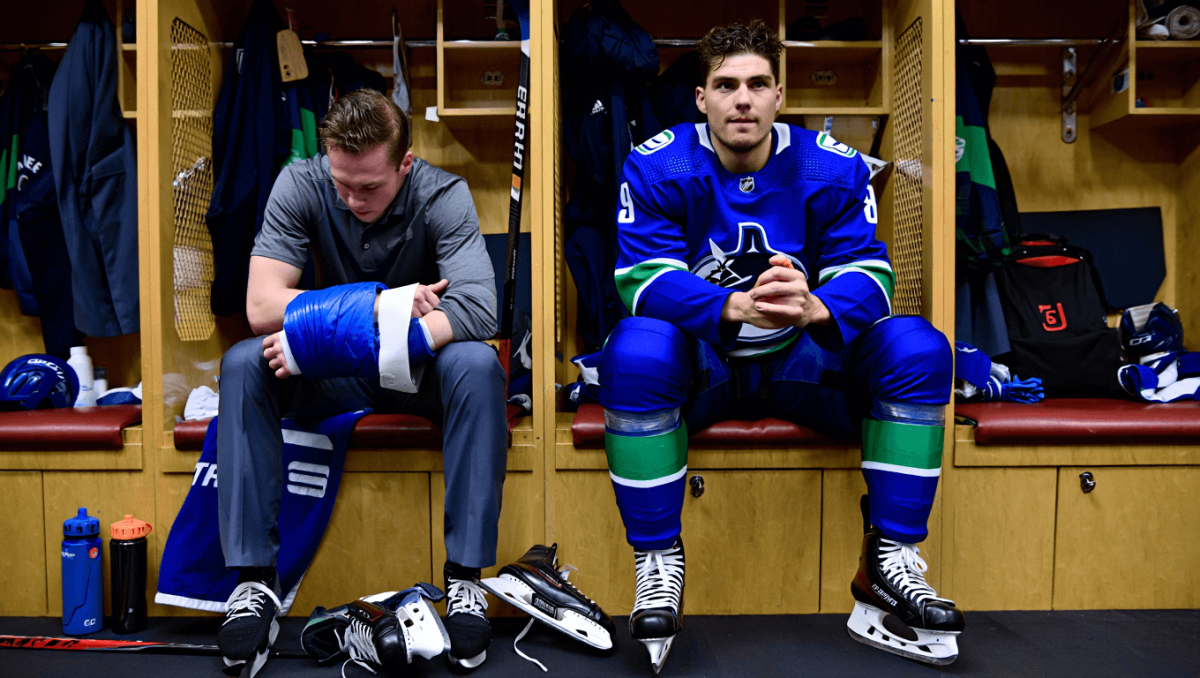
Vancouver’s locker room feels like a team in transition. After trading captain Quinn Hughes, the Canucks face mounting injuries and roster questions that could reshape the season. Elias Pettersson is sidelined, but new acquisition Marco Rossi has stepped onto the ice, giving fans a glimpse of the club’s short- and long-term challenges.
Trade of Quinn Hughes: A clear sign of a rebuild
The departure of Quinn Hughes sent a strong message. Management signaled a willingness to retool rather than patch the roster. That move shifts expectations for this season.
United Polaris Studio suites: tickets now on sale for April inaugural flights
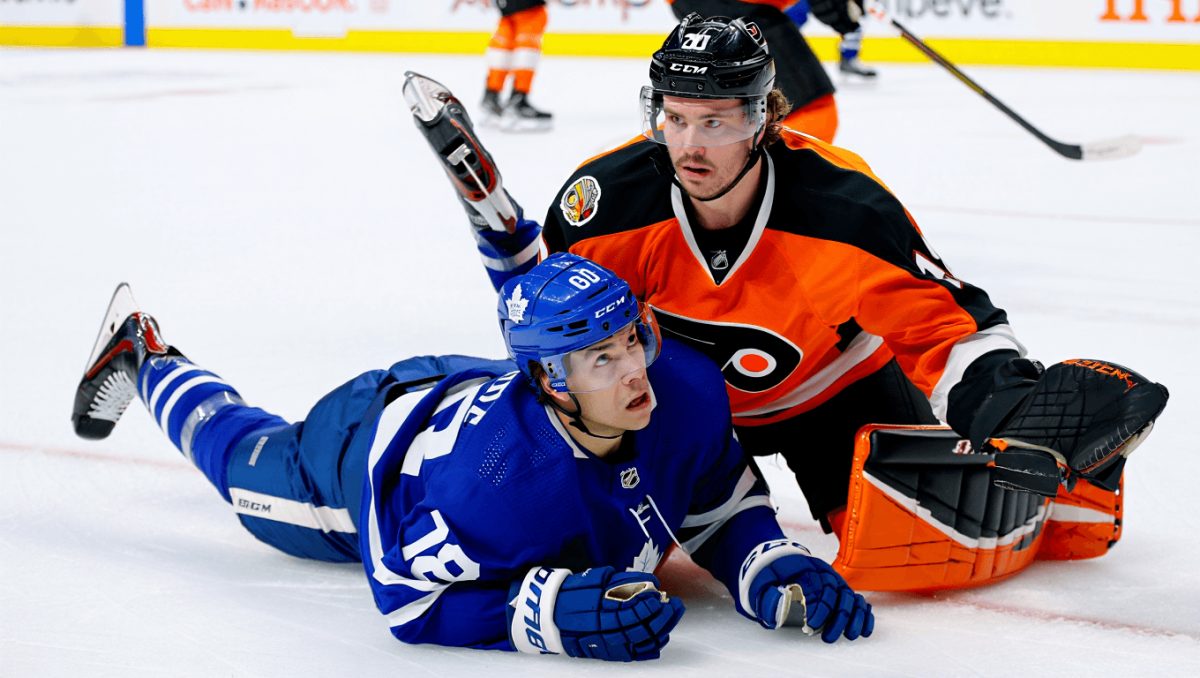
Auston Matthews-Radko Gudas controversy: Pierre LeBrun predicts fallout
- Leadership vacuum: The team lost an established captain and top defenseman.
- Asset accumulation: Vancouver appears focused on gathering young talent and draft capital.
- Fan reaction: Supporters are bracing for a rough stretch while hoping for future gains.
Center depth squeezed by injuries
Toronto, Edmonton and Montreal have had similar injury stories, but the Canucks’ center group is under special pressure. With Pettersson placed on injured reserve before the first post-trade game, the team’s forward balance is thin.
Pettersson is currently the leading scorer on the team following Hughes’ exit. The next closest point-getter sits well behind, with winger Kiefer Sherwood listed at 17 points.
Marco Rossi debuts: immediate help or long-term hope?
One key return in the trade was an NHL-ready pivot. Marco Rossi checks that box and has now played his first game in Vancouver colors. Expectations are clear: management hopes Rossi will slot into a top-six role.
- Style fit: Rossi brings playmaking and two-way competence.
- Short-term impact: His arrival eases pressure on depth centers.
- Long-term plan: If healthy, Rossi could form a strong tandem with Pettersson.
Rossi’s presence changes the narrative—but only if he and Pettersson stay available and in sync.
To tank or to compete: Vancouver’s strategic fork
The Canucks face a classic rebuild dilemma. Winning a handful of games now could cost them a high draft selection later. Yet few teams are built without trying to win on the ice.
- Option A — Lean into the rebuild: Trade veterans, accumulate picks, play prospects.
- Option B — Patch the roster: Attempt to remain competitive and develop players in a winning environment.
- Option C — Hybrid: Try to win some games while selectively moving pieces.
Many signs point to a preference for a deeper rebuild. Keeping Rossi and Pettersson from becoming an immediate, dominant duo would suit that approach.
What further roster changes might look like
If Pettersson’s absence extends and the club opts to double down on the teardown, more veterans could be moved. That would leave Vancouver with a thin, young lineup for the closing months.
- Veteran trades could yield more prospects and draft picks.
- Ice time for younger forwards would increase rapidly.
- Short-term results may decline as the team prioritizes asset growth.
For now, Rossi’s return offers a spark. How management balances development, wins and asset management will shape both the rest of this season and Vancouver’s timeline for returning to contention.