Show summary Hide summary
Hold onto your hats (and wallets): fans across the globe have been fleeced out of a jaw-dropping $5.3 billion in a wave of cyber-scams targeting music lovers—and the bill isn’t just from overpriced concert t-shirts.
The Perfect Storm: Why Are Fans Targeted?
Pop fans have never had an easy ride. First, there were the astronomical ticket prices, then the ever-expanding menu of exclusive merchandise, and just when you thought your credit card could catch a break—along comes large-scale fraud. According to an eye-opening report shared by Billboard magazine, fans of heavyweights like Taylor Swift, Sabrina Carpenter, and Adele lost a staggering $5.3 billion (no, that’s not a typo) in 2025 alone—victims to scams supercharged by the rise of artificial intelligence.
This isn’t a small-town operation. The study, spearheaded by Spikerz, a company specializing in social media security, reveals how criminal enterprises are capitalizing on fans’ unwavering devotion to their idols. Social platforms, meant to bring fans closer to artists, have also thrown open the doors for those with shadier motives.
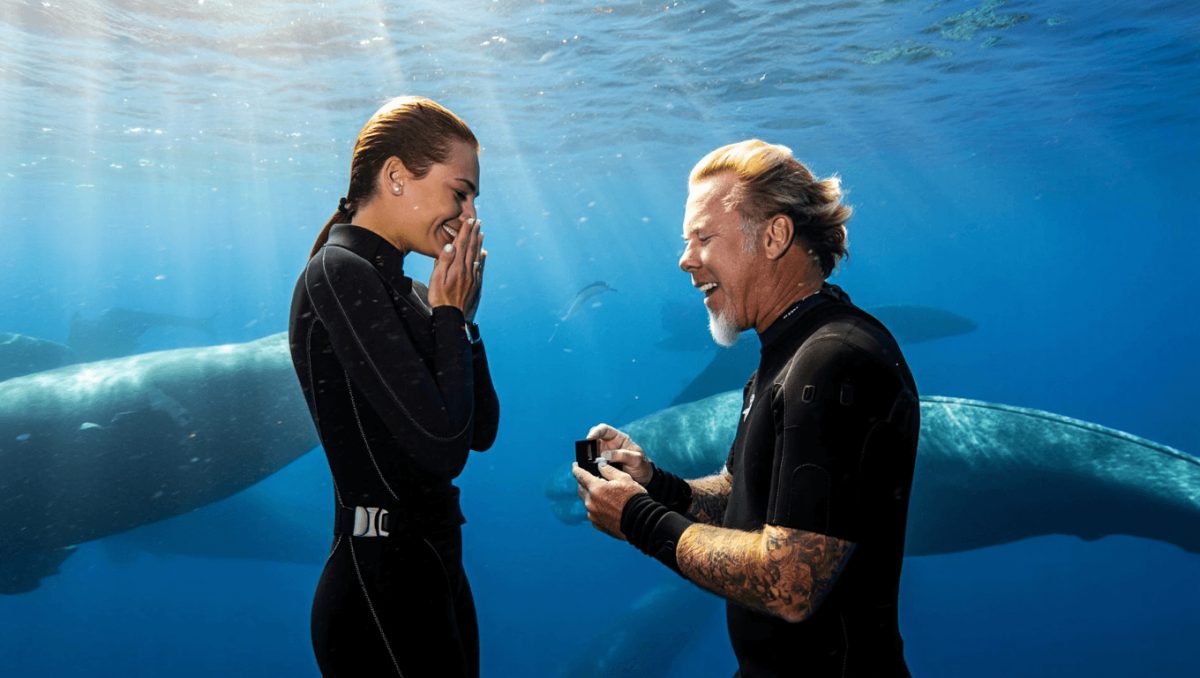
Metallica’s James Hetfield stuns with jaw-dropping proposal to Adriana Gillett
Christina Haack stuns in cream crochet bikini: responds to fourth engagement rumors
The Art of the Scam: Fake Tickets and Digital Doppelgangers
If you’ve ever tried to score a ticket for a viral sensation and ended up staring at an “Order Failed” message, you’re not alone. But worse is falling into the trap of scammers mimicking official artist accounts on Instagram or TikTok with uncanny accuracy. These fraudulent accounts peddle fake concert tickets, counterfeit VIP experiences, or even tempt fans with the prospect of meeting their idols in person.
Which artists are most often targeted? According to Spikerz, the leading victims are:
- Taylor Swift
- Sabrina Carpenter
- Billie Eilish
- BTS
- Adele
- Ed Sheeran
- Blackpink
It’s more than a minor risk. Spikerz’s figures indicate that one in five tickets sold on social media is either a fake or a phishing attempt—where tricksters try to hoodwink fans into divulging their personal information. So, essentially, if you’re buying tickets via social media, the odds aren’t exactly in your favor.
When Hackers Go Beyond Tickets
The fraud doesn’t stop at ticket sales. Remember that August when the Instagram accounts of Adele, Future, Michael Jackson, Tyla, and Pink Floyd were hacked? Hackers took direct control, using AI-created images of these artists to promote Solana cryptocurrency. The result? Fans lost a whopping $49,000 in a single incident. (Let’s just say, that’s a lot of vinyl records… or avocado toasts.)
And while music is the most visible battleground, these scams reach beyond the stage. Case in point: one Johnny Depp fan reportedly handed over $350,000 to a criminal impersonating Depp and his team. Apparently, pirates and fraudsters do have something in common after all—just not the eye patch.
Why Musicians Are Prime Targets
So why are artists and their fans the bullseye? Scott Cohen, author of the study and co-founder of Spikerz, flags a key trend: musicians are increasingly reliant on platforms like Instagram, X (formerly Twitter), and TikTok to promote their work and stay in touch with fans. As artists lean more on social media, their vulnerabilities—and those of their followers—naturally grow.
- Official-looking profiles ripple across networks, quickly amassing followers eager for exclusive opportunities.
- Offers of back-stage passes, meet-and-greets, or pre-reserve tickets blur the line between authenticity and deception.
- AI technology makes fakes more convincing than ever.
It’s a dizzying environment, and criminals are always one step ahead, playing the long game and banking on fans’ emotional investment.
The Takeaway:
It’s not just your favorite hoodie or that “limited-edition” mug at stake. With billions lost, every fan has a reason to stay alert. Before you click, like, or buy, check twice—and remember, if an offer looks too good to be true, it probably is (unless your grandma really did win the lottery five times).