Show summary Hide summary
- What led to the police shooting in Eagle Rock
- Lauren’s version: trauma, defense, and aftermath
- Legal consequences and the mental health diversion program
- Timeline: key moments in recent months
- Marriage, family life, and the decision to split
- Health, recovery, and public reaction
- Where the story stands now and unanswered questions
Jillian Lauren, the estranged wife of Weezer bassist Scott Shriner, has spoken publicly about a tumultuous year that included a midnight standoff with Los Angeles police, a shooting, and the end of a two-decade marriage. Her account adds new detail to an incident that put an Eagle Rock neighborhood on lockdown and quickly made headlines.
What led to the police shooting in Eagle Rock
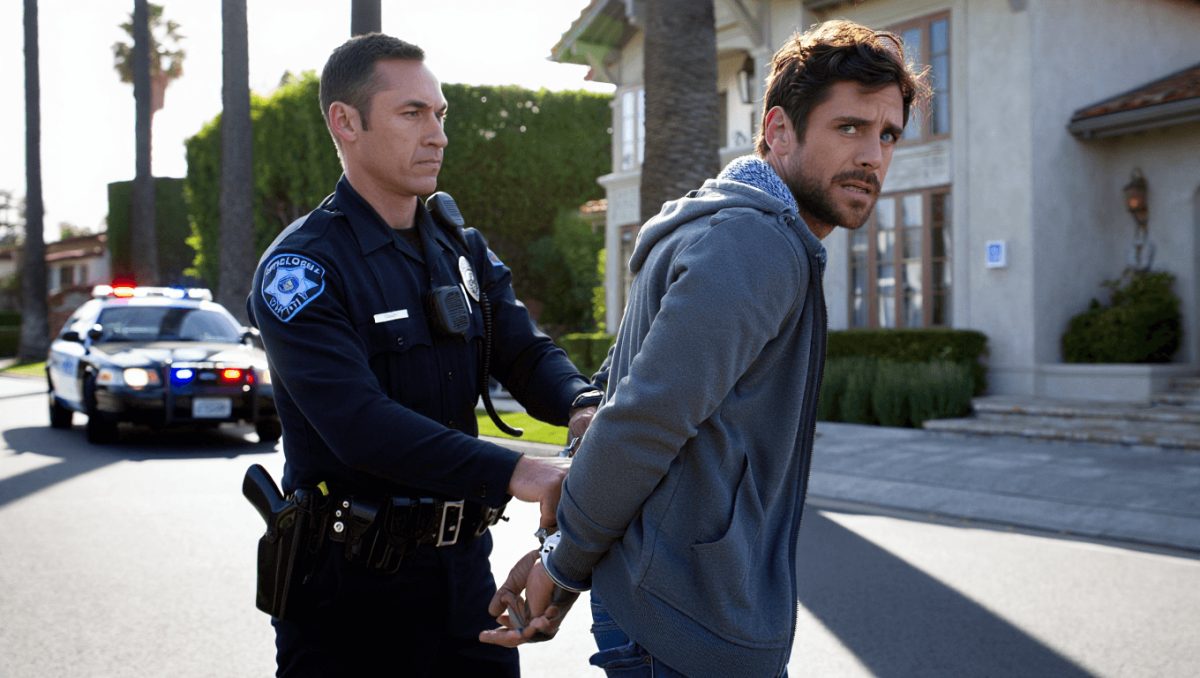
Police say officers were pursuing a suspect when the situation drew into Lauren’s block in Eagle Rock. Neighbors reported a heavy police presence before the confrontation escalated.
Knicks superfan Ben Stiller skips Oscars to watch gritty win over Warriors
U.S. embassies warn: 5 new travel alerts after demonstrations spread
- Officials allege Lauren left her home carrying a handgun.
- Officers repeatedly ordered her to drop the weapon.
- Authorities say she pointed the gun toward police, who then opened fire.
- After being shot, she retreated back inside her residence.
This sequence of events, as described by law enforcement, sparked immediate questions from neighbors and social media. Lauren’s account differs in tone and emphasis from the official narrative.
Lauren’s version: trauma, defense, and aftermath
In a recent interview with Rolling Stone, Lauren framed her actions through the lens of survival. She said she acted from a place of fear for her family’s safety.
She described the experience as shattering. Instead of a neat timeline, she painted the incident as a sudden rupture in a life she had long tried to steady. “I was doing what I thought would protect my family,” she told the outlet, noting the instinct was one of self-defense.
Lauren also said the days that followed were chaotic. She spoke about grappling with how events spiraled and the difficulty of piecing life back together after such a violent episode.
Legal consequences and the mental health diversion program
After the shooting, Lauren was arrested on an attempted murder charge. Prosecutors later arranged for her to enter a diversion path tied to mental health.
- The program lasts two years and aims to address behavior through treatment rather than traditional prosecution.
- Participation typically requires counseling, check-ins, and compliance with treatment plans.
- Successful completion can influence whether formal charges move forward.
Lauren said she was diagnosed with PTSD and that the diversion track offered an opportunity to confront trauma. She emphasized that the label “mental health diversion” gave her a platform to discuss deeper issues she has faced.
She has publicly stated she is a survivor of both sex trafficking and domestic abuse. Those experiences, she said, shaped her responses in crisis moments and motivated her to seek professional help.
Timeline: key moments in recent months
- Police activity and neighborhood lockdown in Eagle Rock.
- Lauren walked outside with a firearm and was shot by officers.
- She was taken into custody and later booked on an attempted murder charge.
- Authorities arranged for enrollment in a two-year mental health diversion program.
- Lauren filed for divorce from Scott Shriner after 20 years of marriage.
Marriage, family life, and the decision to split
Lauren and Shriner wed roughly two decades ago. They adopted two children together: Tariku Moon and Jovanni “Jovi” Starshine.
Despite the separation, Lauren called Shriner her “best friend” and stressed their shared commitment to their children. She noted that both partners had evolved over the years, and that drifting apart was a slow process.
She told Rolling Stone the recent crisis pushed long-standing strains to a breaking point. The filing for divorce, she explained, came after years of growing apart and was intensified by the incident with police.
Health, recovery, and public reaction
Lauren said she is now focusing on treatment and recovery. She described therapy as necessary work to address wounds that predate the police incident.
Public reaction has been mixed. Some commentators have expressed concern about the police response. Others have drawn attention to Lauren’s claims about past trafficking and abuse, saying those issues warrant deeper public discussion.
Supporters have urged compassion and suggested the case highlights gaps in how trauma survivors are treated by both the justice and health systems.
Where the story stands now and unanswered questions
Investigations into the shooting continue. Officials have not released every detail publicly, and both legal and medical proceedings are ongoing.
- No formal statement yet from Shriner’s representatives responding to Lauren’s interview.
- Authorities will review the police shooting under standard procedures.
- Observers are watching how the diversion program shapes the criminal case.
Lauren has said she will use her situation to speak about trauma and survival. She framed her participation in the diversion program as a way to address the roots of her behavior and to push back against stigma.