Show summary Hide summary
- How a retail boycott reshaped shelf space for Black-owned brands
- New marketplace aims to fill gaps left by changing retail policies
- Founders navigating cancellations, boycotts and tariff shocks
- Tariffs leave founders weighing factory choices
- What WeLoveUs.shop offers and how its economics stack up
- Voices from the brands: why media-driven marketplaces matter
- Practical takeaways for small business owners
- What brands gain from the platform’s reach
- Operational trade-offs: commission, control and velocity
- Early traction suggests a demand for alternative distribution
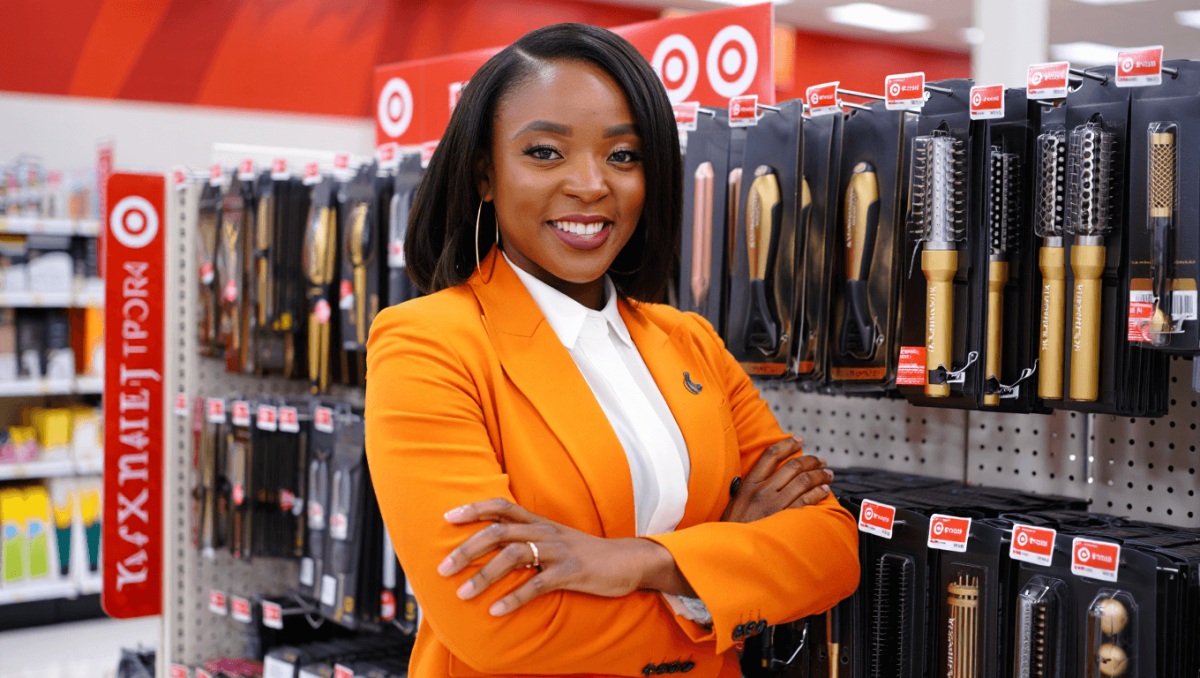
When Kazmaleje first appeared on Target shelves, founder LaToya Stirrup felt she had broken through a major barrier. The Miami entrepreneur had grown her hair-tool line since 2019, and landing at a national retailer in 2022 promised broader reach and faster growth.
How a retail boycott reshaped shelf space for Black-owned brands
Target publicly promoted its deal with Kazmaleje as part of a larger pledge to spend more than $2 billion with Black-led businesses by 2025. That promise included dozens of Black-founded beauty labels and was framed as a move to expand economic opportunity.
United Polaris Studio suites: tickets now on sale for April inaugural flights
Auston Matthews-Radko Gudas controversy: Pierre LeBrun predicts fallout
Then, Target announced in January it would roll back certain diversity, equity and inclusion (DEI) efforts. The decision triggered a wave of criticism and calls to stop shopping at the chain. For many entrepreneurs, the consumer backlash translated directly to lower foot traffic and fewer sales.
Stirrup told colleagues she saw a “complete sales slowdown” at Target. Facing diminished demand, the retailer opted to remove Kazmaleje from its brick-and-mortar aisles. The brand will remain available on Target.com starting in 2026. Target did not provide a comment.
New marketplace aims to fill gaps left by changing retail policies
In response to the shifting retail landscape, Essence launched a new e-commerce site called WeLoveUs.shop. The marketplace opened quietly in beta after Thanksgiving and rolled out more broadly near Cyber Monday.
Essence built the platform to support Black women-led brands that have seen distribution and revenue pathways narrow. The initial offering lists about 100 brands and roughly 1,000 products across beauty, fashion, wellness and home. More than 400 additional brands have expressed interest in future cohorts.
Why the timing felt urgent
Executives at Essence described the launch as a fast, coordinated effort. Rising unemployment among Black women, higher import costs, and fewer DEI-driven retail opportunities created pressure to act quickly. Teams worked through the holiday to get the site operational.
Founders navigating cancellations, boycotts and tariff shocks
Outside forces have squeezed small brands on multiple fronts. The fallout from retailer DEI changes cut visibility and made marketing sensitive. Simultaneously, steep tariffs on goods from major trade partners raised input costs.
- Loss of retail access: Public campaigns and boycotts can quickly erode shopper willingness to buy at a given store.
- Rising manufacturing costs: Tariffs make importing finished goods and components more expensive.
- Payment and distribution risk: Long payment cycles and single-channel reliance magnify cash-flow problems.
One founder’s story: from big-box shelves to online-only
Stirrup’s experience illustrates how reputational risk at a retailer can ripple to supplier brands. When social channels amplified calls to avoid Target, Stirrup said she could not promote being stocked there without alienating some customers. That limited marketing options and reduced sales.
Target’s leadership acknowledged the impact. The company’s chief executive linked quarter-to-quarter weakness to several factors, including reactions to the DEI update and tariff uncertainty.
Tariffs leave founders weighing factory choices
Tariffs have altered calculations for founders who import products. Brittny Horne, founder of RVL Wellness Co., makes therapeutic jigsaw puzzles produced in China. Recent duties raised costs and slowed the launch of new SKUs.
Horne explored moving manufacturing to the U.S., but domestic production proved far pricier. U.S. factories often require minimums of several thousand units per SKU to make pricing viable. With a diverse product mix, those minimums can be prohibitive.
As a result, Horne pivoted to new sales channels. Since listing on WeLoveUs.shop, RVL has seen a notable rise in orders. In a matter of weeks, the marketplace became her main source of sales.
What WeLoveUs.shop offers and how its economics stack up
WeLoveUs.shop charges a 35% commission on sales. That rate is higher than some mass marketplaces. For example, Amazon’s referral fees typically range from about 8% to 15% depending on the category.
Essence argues the higher cut comes with trade-offs that matter to small founders:
- Access to Essence’s editorial and social media reach.
- Promotional placements in newsletters and gift guides.
- Public relations and curated visibility across the brand’s channels.
- Faster payment cadence than many wholesale deals.
Essence offers bi-weekly payouts to sellers. Many wholesale contracts and consignment arrangements delay payment for 90 to 120 days. For some entrepreneurs, quicker cash flow offsets the higher commission rate.
The platform pairs commerce with media. Essence can amplify products through stories, social campaigns and gift guides. That layered promotion is part of the value proposition for brands that need visibility now.
Examples of promotional impact
- A short gift guide featuring items under $50 generated roughly 10,000 impressions in days.
- A call-to-action post asking followers to “tag a Black business” was shared about 5,000 times in a similar window.
Voices from the brands: why media-driven marketplaces matter
Founders said the exposure from an established media company helps reach buyers they could not access alone. For many, being featured in curated content or an editorial list yields sales and longer-term brand recognition.
Melissa Mitchell, who runs Abeille Creations, described the year as volatile. Her work includes accessories, apparel and home decor. Partnering with WeLoveUs.shop introduced her creations to new customers she could not reach unaided.
Practical takeaways for small business owners
Brand leaders say the current climate highlights several strategic needs.
- Diversify sales channels to avoid overreliance on any single retailer.
- Factor tariff risk into product pricing and inventory plans.
- Seek partners that offer marketing support, not just shelf space.
- Manage cash flow through faster payout options where possible.
For many Black women entrepreneurs, combining owned channels, marketplaces and media-driven platforms can increase resilience. The goal is to keep products visible even when traditional routes become unstable.
What brands gain from the platform’s reach
Essence reports monthly audience touchpoints in the tens of millions. That scale allows the marketplace to drive immediate attention to featured products.
For founders with limited marketing budgets, editorial placement can act as a multiplier. The platform’s curated gift guides and social posts deliver discovery moments that translate into purchases.
Operational trade-offs: commission, control and velocity
Joining a commission-based marketplace requires founders to weigh costs against speed and exposure. The 35% fee reduces per-unit margin, but fast sales and promotional support can offset that drag.
Other considerations include inventory control, fulfillment logistics and the psychological cost of giving up some branding autonomy in a shared storefront.
Questions founders should ask before joining
- What is the marketplace’s typical order volume and audience profile?
- How often are sellers paid?
- What editorial or social features are guaranteed?
- Are returns, shipping and customer service centrally handled?
Early traction suggests a demand for alternative distribution
In the weeks after launch, several brands reported meaningful lifts in sales. That initial momentum shows there is consumer appetite for a curated destination that centers Black-owned brands.
For companies facing reduced placement in big-box stores or squeezed margins from tariffs, media-backed marketplaces offer a different path to customers and cash flow.