Show summary Hide summary
- Kirby Smart pushes players to focus on growth, not movement
- Why December drills can define playoff contenders
- Transfer portal trends and hard numbers
- How coaches balance roster strategy and team culture
- Player outcomes and the reality after announcing transfers
- Latest college football headlines to watch
College football’s transfer portal keeps reshaping rosters and careers. Players weigh NIL deals, coaching fit, facilities and pro pathways. Programs scramble to recruit and retain talent as weekly waves of entrants change expectations across the sport.
Kirby Smart pushes players to focus on growth, not movement
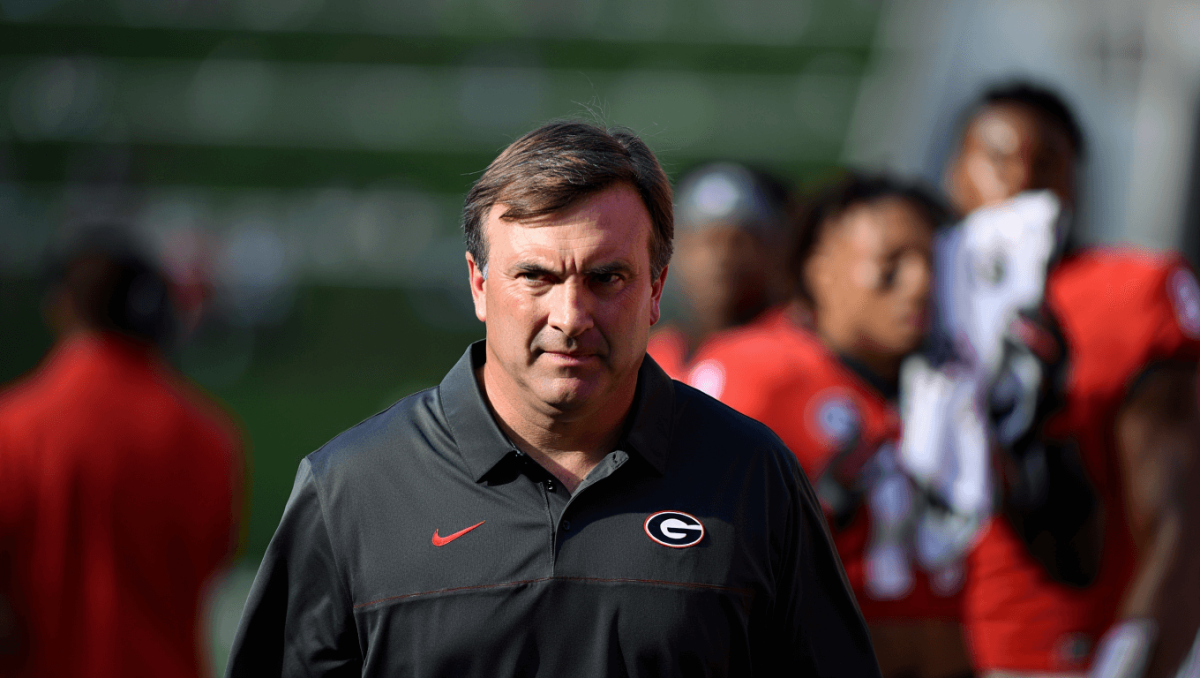
At Georgia, coach Kirby Smart has responded to the portal surge by urging focus on improvement. Leading a championship-caliber team, Smart says the priority is preparation, not constant roster tinkering.
Knicks superfan Ben Stiller skips Oscars to watch gritty win over Warriors
U.S. embassies warn: 5 new travel alerts after demonstrations spread
He challenges athletes to ask themselves why they chose Georgia and whether they are maximizing their opportunity here. “If you came to develop, make development your message,” he told reporters.
Smart’s comments frame a broader message: the decision to transfer should be paired with measurable on-field progress. He also told players that leaving does not excuse stagnation. “If you move, you must still get better,” he said.
Why December drills can define playoff contenders
Smart and his staff see December practice time as pivotal. Teams with College Football Playoff ambitions use that window to sharpen technique, condition players and test depth.
Georgia’s emphasis on late-season development reflects a belief that postseason preparation separates elite teams. The Bulldogs enter their CFP quarterfinal readying for No. 5 Notre Dame in the Allstate Sugar Bowl on Jan. 1.
What this means for individual players
- December reps can teach pro-level habits.
- Playing time and technique often change in postseason camp.
- Coaches watch who improves, not who talks about leaving.
Transfer portal trends and hard numbers
Since the portal opened in 2018, entries have climbed sharply. The system has reshaped recruiting, roster building and career planning across college sports.
- More than 31,000 student-athletes entered the portal in 2023 across all NCAA sports.
- About 45% of those entries resulted in a move to a new school.
- In football alone, the 2023–24 cycle had over 11,000 players enter the portal across all divisions.
- The cumulative total of portal entries now reaches into the hundreds of thousands.
Yet many who enter the portal do not land with a comparable program. A notable share never secure a new NCAA roster spot.
How coaches balance roster strategy and team culture
Programs respond to transfer dynamics in different ways. Some coaches lean into aggressive roster management. Others, like Smart, emphasize internal development.
Factors driving moves include:
- NIL offers and endorsement potential.
- Facilities and support services.
- Perceived paths to playing time and the NFL.
- Geographic preference and academic fit.
Coaches must weigh short-term roster needs against long-term culture. Smart’s stance reflects a program that prioritizes the latter during postseason work.
Player outcomes and the reality after announcing transfers
Not every portal announcement leads to a better opportunity. Some athletes find bigger roles. Others face diminished options or leave college competition altogether.
Prospective movers should consider:
- Whether a new program truly offers more development.
- How the move affects academic progress.
- The likelihood of increased exposure for the NFL.
Moving is not a guarantee of advancement, coaches warn. Performance and growth remain the deciding factors.
Latest college football headlines to watch
- Deion Sanders’ contract and buyout details with Colorado.
- Pat McAfee critiques Diego Pavia’s Heisman-week behavior.
- Updates on Fernando Mendoza and the Heisman situation.
- Repercussions for LSU amid Michigan coaching changes.