Show summary Hide summary
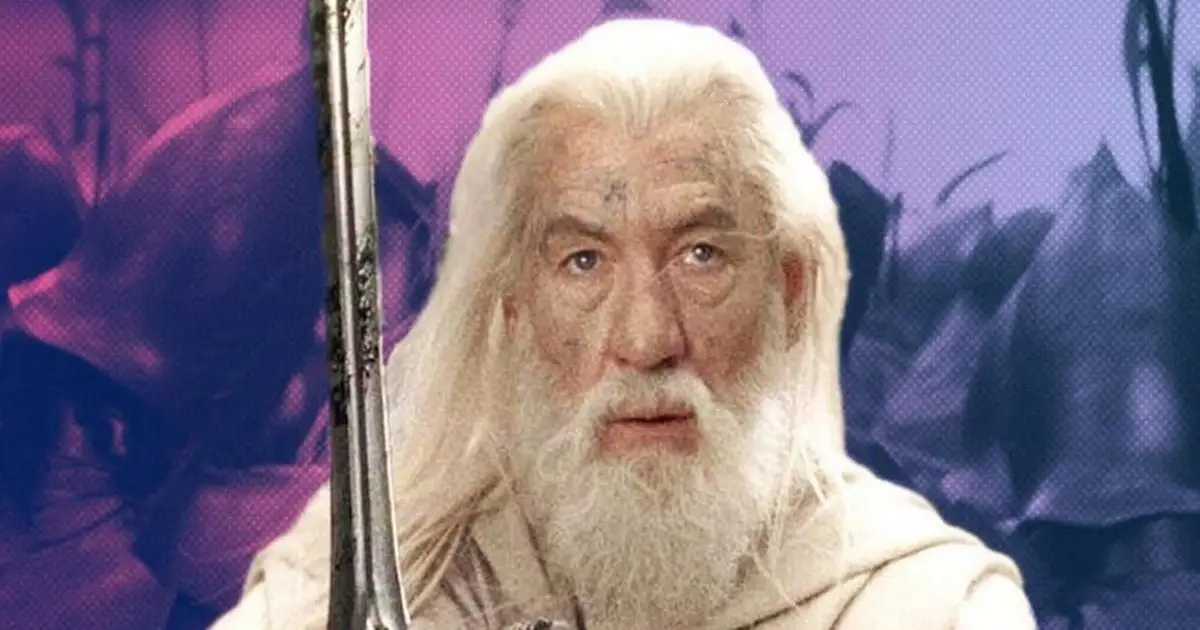
Among all the mysteries in Middle-earth, one question has bewitched fans for decades: why wasn’t Gandalf fighting by Elrond and Isildur’s side during Sauron’s greatest defeat? If you’ve ever scanned the epic prologue of The Lord of the Rings films, you know the moment—the clashing armies, the fate of the world hanging on a sword’s edge, but not a wizard’s hat in sight. Is this a plot hole worthy of Mount Doom? Or perhaps, as with so many things in Tolkien’s legendarium, is there a surprising, well-crafted answer?
The Genius of Tolkien’s Worldbuilding
Let’s set the stage: J.R.R. Tolkien, whose attention to detail makes even the most dedicated fantasy writer look like a hurried note-taker, poured his heart (and about a thousand notebooks) into the universe of The Lord of the Rings. The result? Almost every question fans could conjure has an answer—often tucked away in meticulous notes or side passages. This includes the persistent puzzle: why didn’t mighty Gandalf personally take on Sauron when elves and men united in that fateful Last Alliance?
If Peter Jackson’s blockbuster trilogy left you convinced you know everything about Middle-earth, a gentle reminder: not everything could make it onto the silver screen. As close to perfection as the films may seem (go ahead, hum the soundtrack—you know you want to), it was truly impossible for Jackson to include every revelation, every footnote, every intriguing aside from Tolkien’s vast works.
United Polaris Studio suites: tickets now on sale for April inaugural flights
Auston Matthews-Radko Gudas controversy: Pierre LeBrun predicts fallout
- Inevitable omissions exist in the films, leading to burning questions from sharp-eyed viewers.
- The absence of Gandalf during Sauron’s vanquishing at the Last Alliance is among the most repeated queries.
The Lingering Question: Where Was Gandalf?
The battle in question is legendary: the Last Alliance, when Elrond of the elves and Isildur of men confronted Sauron himself. This historic confrontation took place between 3434 and 3441 of the Second Age, almost 3,000 years before Frodo ever set out with that troublesome piece of jewelry in The Fellowship of the Ring.
Fans scanning the film’s opening moments find the wizard, well, missing. Is this some egregious mistake, a slip-up in an otherwise immaculately planned world? Not in the slightest. According to Tolkien’s own detailed notes (the man really did think of everything), there’s a logical—and elegantly simple—answer.
Gandalf: Not Yet the Wizard You’re Looking For
Back then, during the Second Age, Gandalf hadn’t yet set foot upon Middle-earth as the grey-caped, pipe-smoking wizard we’ve come to love. Instead, he was living as Maia Olórin in Valinor. If that just sounds like a fancy way of saying “he was busy elsewhere,” well—you’re not entirely wrong. Olórin was working behind the scenes, his genius and wisdom operating in secret, quietly observing rather than joining the great battles head-on.
- Gandalf’s public debut among the peoples of Middle-earth hadn’t yet occurred at the time of the Last Alliance.
- He acted as a hidden observer from afar, not yet the wise guide or firework enthusiast we see later.
So, as it turns out, there’s no contradiction at all. Gandalf wasn’t absent due to oversight or lack of courage. He simply hadn’t arrived—not as the wizard anyway. Tolkien, true to his legendary thoroughness, spells this out in his own records for anyone willing to dig a little deeper. (And if you’ve ever tried reading the appendices, you know a shovel might help.)
Looking Beyond the Silver Screen
This reveals one delightful truth about Tolkien’s world: even some of the most common fan questions are answered, tucked into footnotes, timelines, and character histories. The absence of Gandalf from Sauron’s greatest battle is not a gap, but a well-explained chapter in a much longer story—a story where timing, entry, and purpose are everything.
So, next time you wonder why your favorite wizard missed out on the action, remember: he was always present, just not quite in the form you expected. Tolkien leaves the real magic in his attention to detail and his commitment to making Middle-earth as rich and consistent as possible. And really, isn’t that the secret to what keeps us enchanted with his stories all these years later?
Keep asking questions. With Tolkien, you just might find every answer—one detailed note at a time.