Show summary Hide summary
- Why mascots are staging a comeback in crowded sports sponsorships
- How Cheez-It is using Prince Cheddward to reconnect with fans
- Brands following the mascot playbook this year
- What makes a mascot effective — and when it can fail
- Storytelling, mythology and the long game for brand characters
- What to watch next for Cheez-It and mascot-driven campaigns
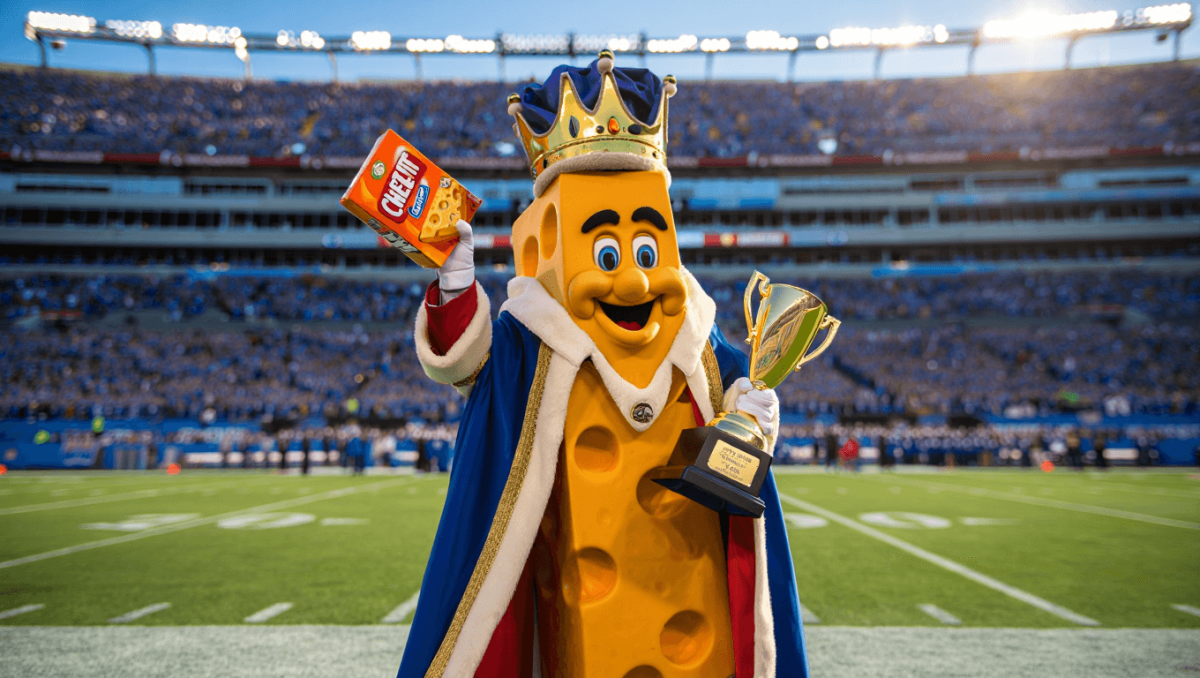
Cheez-It has rolled Prince Cheddward back into the spotlight for this year’s Citrus Bowl, betting that a familiar face can cut through the roar of modern sports advertising. The move taps nostalgia and spectacle as the snack brand seeks more attention on game day and beyond.
Why mascots are staging a comeback in crowded sports sponsorships
Sports marketing is saturated. Leagues, teams and events now host dozens of corporate partners. Brands must find fresh ways to be noticed.
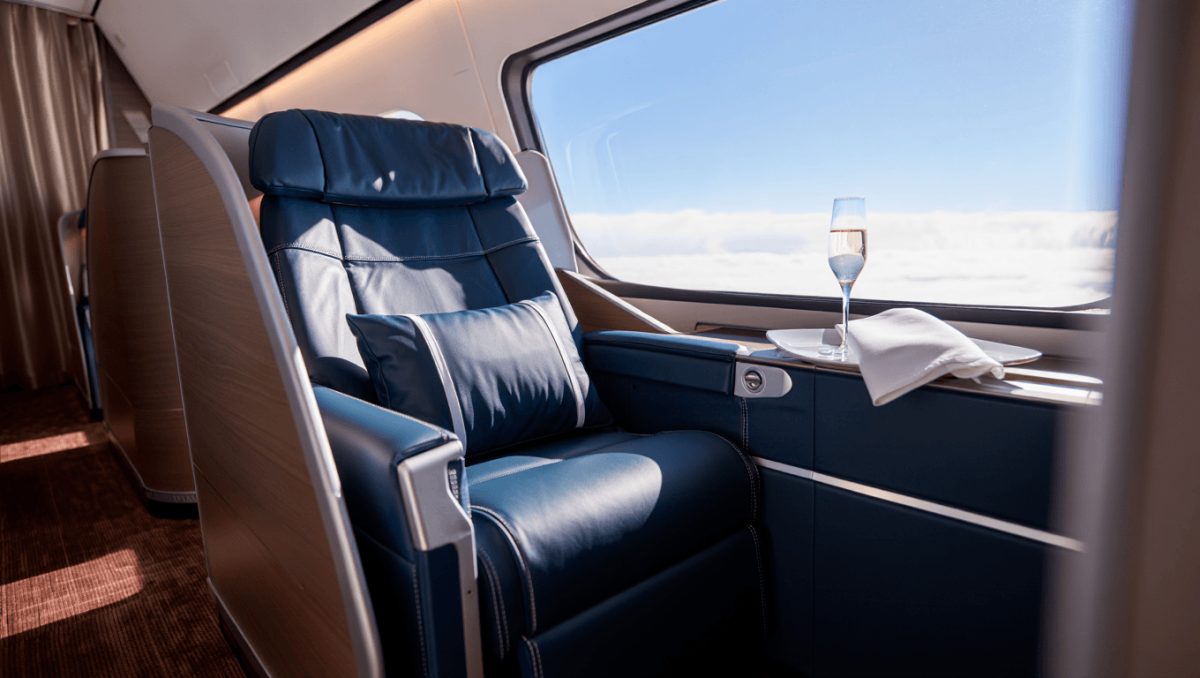
United Polaris Studio suites: tickets now on sale for April inaugural flights
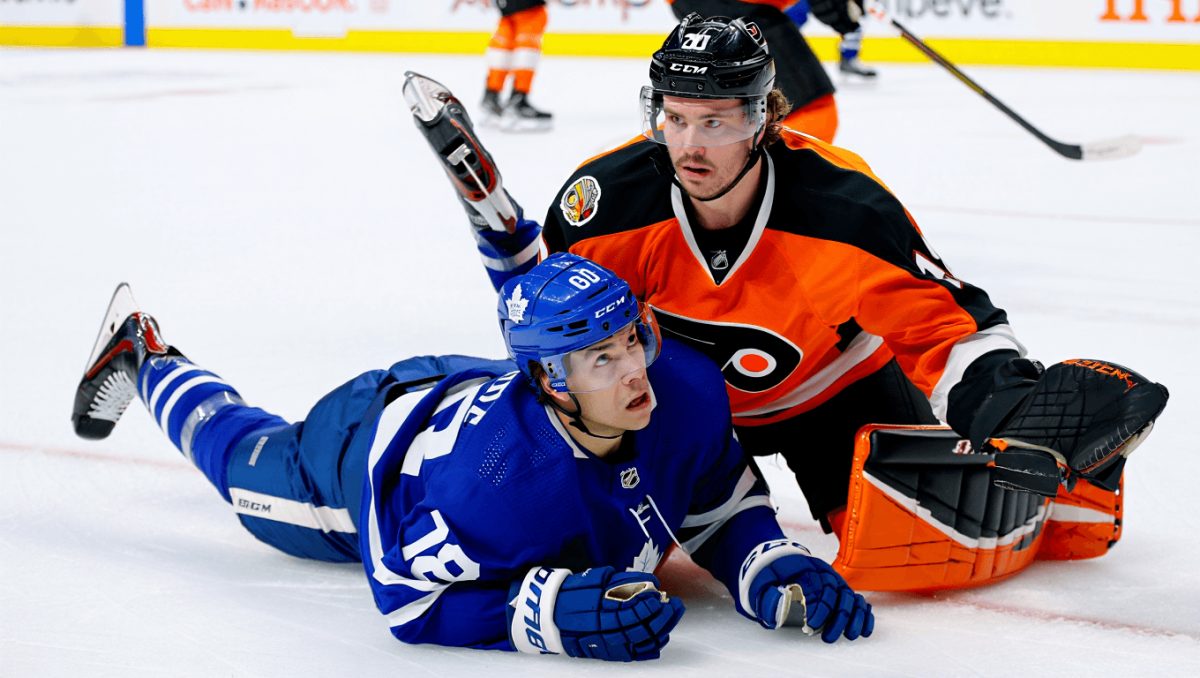
Auston Matthews-Radko Gudas controversy: Pierre LeBrun predicts fallout
Recent data show rising sponsorship activity across pro and college sports. The WNBA, for example, reported a record number of official partners this year. And a late-2024 Forrester survey found a sizable share of marketers intend to expand big-ticket sports investment into 2025.
According to industry creatives, simply placing a logo on a court or banner no longer delivers the same cultural lift. Brands need memorable characters or stories to spark conversation, rather than just bigger media buys.
How Cheez-It is using Prince Cheddward to reconnect with fans
The crisp brand has long leaned on football sponsorships as a central marketing tactic. This year marks another appearance at the Bowl stage, and the mascot return is part of a broader sports-first plan.
Cheez-It’s senior brand director says Prince Cheddward offers a distinct personality without forcing the brand to shout louder than competitors. The strategy: be recognizable and endearing, not just ubiquitous.
Internal research guided the move. Cheez-It found that sports viewers who noticed the brand’s game-day presence were far more likely to serve or eat the crackers while watching. Awareness translated into measurable behavior, the brand reports.
Beyond college football, Cheez-It is expanding its footprint in professional basketball and eyeing global moments. The brand plans activations tied to next summer’s FIFA World Cup, and executives say sports marketing spend has grown as a result.
Brands following the mascot playbook this year
Multiple food and beverage companies debuted or relaunched mascots in recent months, hoping to capture attention with playful characters.
- Domino’s introduced Mac Scott, a penne-shaped mascot.
- Cava unveiled Peter Chip, a pita-chip character with animated features.
- Hi-Chew launched Chewbie, its first official brand mascot.
These characters aim to build friendly faces that audiences can share, meme and recall. Marketers see mascots as a lower-risk alternative to celebrity endorsements, which can be more volatile in a polarized culture.
What makes a mascot effective — and when it can fail
Experts say mascots work when they are woven into a brand’s story and culture. They must feel authentic, offer creative content hooks, and be easy to adapt across media.
Key advantages include:
- Stronger brand recall: Characters create associations that last beyond a single event.
- Safer representation: Mascots avoid the reputational swings tied to human spokespeople.
- Content versatility: Characters can star in video, social, and experiential stunts.
- Emotional resonance: Nostalgia and playfulness drive shares and conversations.
But not every mascot sticks. If a character feels forced or out of step with culture, it can underperform or be ignored. Creative leaders caution that a mascot must be smartly executed and culturally tuned to succeed.
Storytelling, mythology and the long game for brand characters
Some brands are trying to do more than sell a product. They aim to build a mythos around their mascots, creating recurring narratives fans can follow.
Successful mascots act like mini-universes. They give marketers a recurring way to engage consumers, far beyond a single seasonal ad. Examples from other brands show that consistent storytelling can elevate a mascot from novelty to a trusted symbol.
Agencies note that logos and sponsorships alone are less likely to spark conversation now. Characters and stories provide the cultural hooks that logos no longer guarantee, helping brands earn attention without simply outspending rivals.
What to watch next for Cheez-It and mascot-driven campaigns
Expect Cheez-It to activate Prince Cheddward across social content, game-day moments and broader sport calendars. The brand’s move to reintroduce the character aligns with a larger industry trend toward mascots and narrative-driven sponsorships.
Marketers will be watching whether mascots like Cheddward can consistently drive purchase behavior and social buzz, and whether other brands will keep investing in character-led campaigns as a way to cut through the noise.