Show summary Hide summary
- Trump’s claim: MRI performed and results “perfect”
- White House statements and unanswered questions
- Tests at Walter Reed: cognitive screening and more
- What the Montreal Cognitive Assessment measures
- Physical signs, official explanations, and public scrutiny
- Political reaction and concerns about cognition
- Why more detail matters to voters and clinicians
- Reporting note
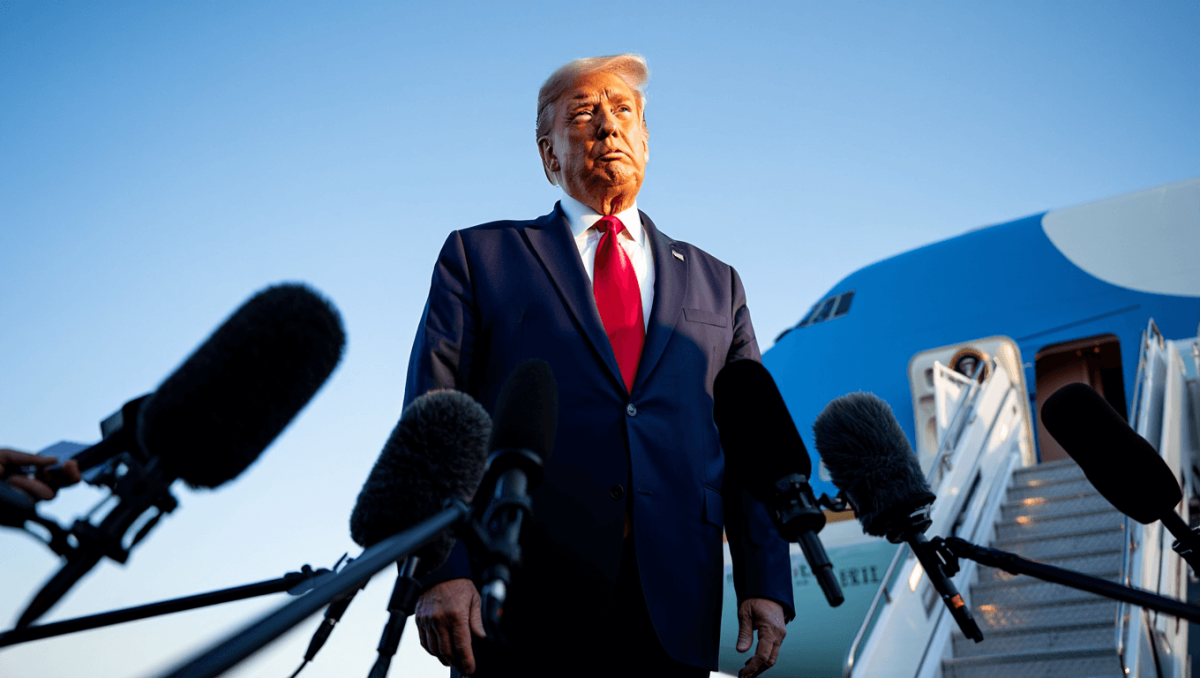
President Donald Trump says he underwent an MRI during a rapid trip to Walter Reed Military Medical Center earlier this month, telling reporters on Air Force One that the results were excellent and that doctors praised his condition. His comments arrived amid renewed scrutiny of his physical and mental fitness, and they have reignited debate over what information the White House has chosen to release.
Trump’s claim: MRI performed and results “perfect”
On the tarmac before flying to Japan, the president volunteered that he had an MRI at Walter Reed. He described the scan as flawless and suggested the medical team spoke highly of his results. He said doctors gave him unusually positive reports for his age.
Arkansas’ Darius Acuff Jr. earns rare Kyrie Irving comp from Bill Simmons
Sean Penn awarded Oscar forged from war-damaged Ukrainian train: he skipped the ceremony
The visit to Walter Reed took place on Oct. 10, roughly six months after his annual physical. The timing coincided with questions from opponents and some medical observers about his overall health.
White House statements and unanswered questions
The White House initially reported that Trump received “advanced imaging,” but officials declined to specify the exact procedure. When asked later whether that phrase meant an MRI, a press secretary would not confirm.
- Statement from White House physician: described the president as in “excellent overall health.”
- Press office: released a brief readout, but limited clinical detail was provided.
- Public questions: advocates for transparency pressed for full medical records.
The administration’s vagueness about the imaging has left reporters and medical commentators wanting more detail.
Tests at Walter Reed: cognitive screening and more
Trump also said he completed cognitive testing during the visit. He framed those checks as challenging aptitude exams and boasted that he passed.
He then compared his performance to named Democratic lawmakers, suggesting they would not fare as well. Those comments prompted immediate reaction in political circles.
Which test did he likely mean?
Based on his description and past references, the test he mentioned appears similar to the Montreal Cognitive Assessment, a common screening tool used to detect early signs of cognitive decline. The president has previously referenced a version of that exam.
What the Montreal Cognitive Assessment measures
The Montreal Cognitive Assessment, often called the MoCA, is a brief screening tool. It is not designed to measure IQ or professional aptitude. Instead, it flags possible cognitive impairment.
- Purpose: screen for early dementia-related changes.
- Administration: typically brief and easy for people with normal cognition.
- Interpretation: low scores can prompt further testing; normal scores do not guarantee absence of all issues.
Medical experts note the MoCA is intended to be straightforward for those without cognitive decline.
Physical signs, official explanations, and public scrutiny
Outside the White House readouts, observers have noticed physical signs on the president. Images circulated showing swelling in the legs and visible bruising on his hands.
White House officials attributed the swelling to chronic venous insufficiency, a condition that impairs blood return from the legs. Bruising, they said, results from aspirin use and frequent handshakes.
- Swelling diagnosis: chronic venous insufficiency.
- Bruising explanation: aspirin and contact during events.
- Medical transparency: critics call for more comprehensive records.
Political reaction and concerns about cognition
Some Democratic elected officials and critics have publicly questioned Trump’s mental acuity. A few lawmakers have used words like “dementia” when discussing his fitness for office.
In response, the president emphasized his success on cognitive testing and challenged political rivals to take the same exams. His comments included direct references to specific liberal members of Congress.
The exchange has sharpened partisan debate over how to evaluate and disclose a leader’s health.
Why more detail matters to voters and clinicians
Doctors and public-health experts say that short statements—“advanced imaging” or a single-line physician note—leave out context that professionals use to assess fitness.
- Imaging type and findings help determine clinical significance.
- Cognitive test type and score inform the need for follow-up.
- Medication lists and prior records allow comparison over time.
Advocates for transparency argue that more robust documentation would reduce speculation and clarify whether any follow-up is required.
Reporting note
This piece is based on reporting first published by HuffPost and combines statements from the White House with independent observations and clinical context.