Show summary Hide summary
- How one play decided the 2003 Fiesta Bowl
- Play-by-play timeline of the deciding moments
- Breaking down the contact: was it pass interference?
- How broadcasters and writers reacted in real time
- Who was the official that threw the flag?
- Long-term consequences for both programs
- Why the call remains a reference point for officiating debates
The memory of a single officiating flag has haunted college football for decades. When Miami and Ohio State met in the 2003 Fiesta Bowl, one late penalty in overtime changed a championship night into a lasting controversy that still sparks debate whenever the Hurricanes rise again.
How one play decided the 2003 Fiesta Bowl
The game was a classic back-and-forth battle. Ohio State carried a lead into the half and stretched it in the third quarter. Miami answered with a last-second field goal to force overtime.
Christina Haack stuns in cream crochet bikini: responds to fourth engagement rumors
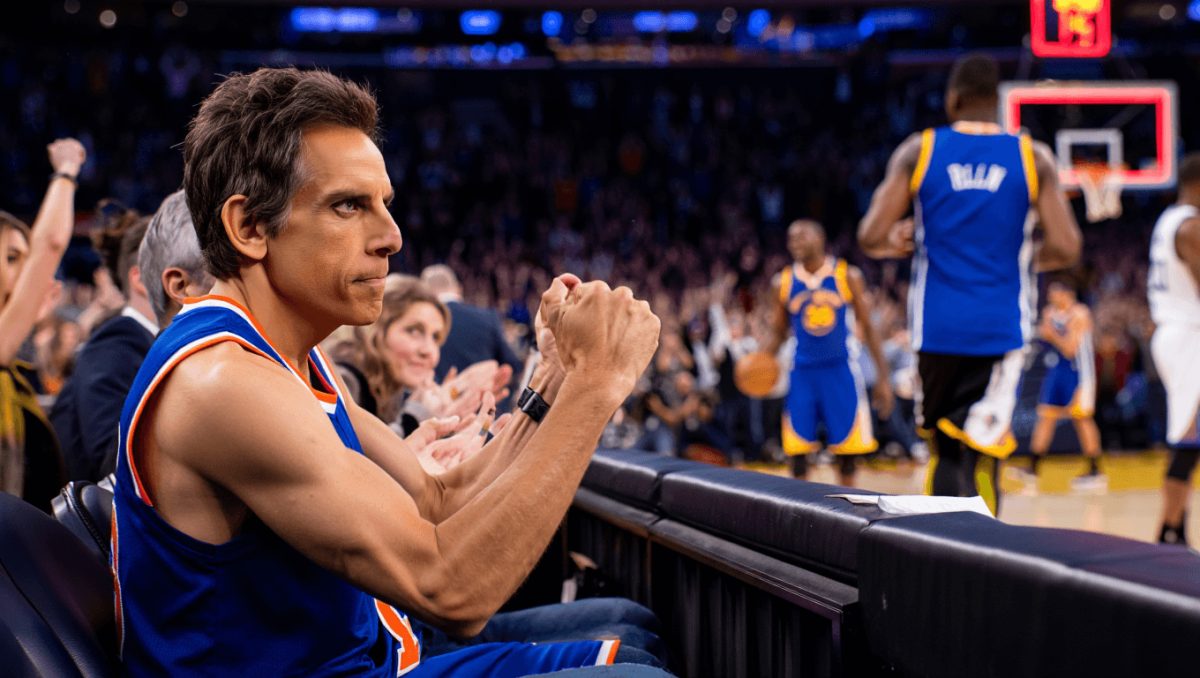
Knicks superfan Ben Stiller skips Oscars to watch gritty win over Warriors
Miami took the first overtime possession and reached the end zone. On Ohio State’s subsequent series, the Buckeyes faced 4th-and-3 from inside the Miami 10.
Quarterback Craig Krenzel targeted Chris Gamble. Miami cornerback Glenn Sharpe was in tight coverage. What followed was an incomplete pass, an official’s pause and then a flag thrown for pass interference.
The penalty was called so late that Miami’s sideline and some players had already started to celebrate. The flag moved the ball to the one-yard line. Ohio State scored to force a second overtime and eventually won the game.
Play-by-play timeline of the deciding moments
- Ohio State builds a halftime lead and extends it in the third quarter.
- Miami ties the game with a 40-yard field goal as regulation ends.
- Miami scores a touchdown in the first overtime.
- On Ohio State’s possession, an incomplete pass is followed by a late pass-interference flag.
- The penalty sets up an OSU touchdown, leading to a second overtime and the Buckeyes’ victory.
Breaking down the contact: was it pass interference?
Opinion on the play splits along fan lines. Ohio State supporters argue the call was correct. Miami loyalists insist it was not.
Evidence supporters cite
- Replay shows Sharpe with tight coverage on Gamble through much of the route.
- Sharpe appears to turn to play the ball as the pass arrives.
- The ball wobbled and hit Gamble in the hands, suggesting a contested catch.
Arguments against the penalty
- Contact looked minimal and may not have affected the receiver’s chance to catch.
- Both players seemed to have an equal opportunity to make the play.
- The flag was thrown noticeably late, complicating perceptions of the call.
Many analysts later argued the contact did not clearly prevent a catch. Others maintained the official saw enough to justify interference.
How broadcasters and writers reacted in real time
The live broadcast and national columnists immediately flagged the penalty as controversial. One veteran commentator sharply criticized the decision during the telecast.
Sports columnists and TV analysts later called the timing of the flag especially problematic. Some ranked the call among the most consequential officiating decisions in college football history.
Who was the official that threw the flag?
Terry Porter, an experienced official from Oklahoma, made the call. He had decades of officiating experience in college football and other sports.
Porter worked across collegiate leagues and in notable postseason games. In August 2025, he entered the Oklahoma Officials Association Hall of Fame, a recognition of his long career.
Porter has said that good calls fade into the background while bad ones linger forever. He stressed the pressure officials feel to get critical decisions right.
Porter did not work another national title game after that matchup.
Long-term consequences for both programs
The flag reshaped narratives for Miami and Ohio State. For Miami, the missed title opportunity became part of the program’s lore. For Ohio State, the victory is remembered but clouded by the late penalty.
- Miami: the loss is still cited when voters and fans discuss the program’s missed chances.
- Ohio State: the win added to a national championship season, though debate over fairness remains.
- College football: the play is often used in arguments about officiating standards and the need for clearer protocols.
Why the call remains a reference point for officiating debates
The controversy persists because it combines a high-stakes moment with a delayed signal from an official. That mix fuels questions about judgment under pressure.
Replays leave room for interpretation. The late timing made it difficult to accept the decision without emotional reaction from fans, coaches and media.
As college football evolves, the 2003 Fiesta Bowl call is cited in discussions about replay processes, official training and the impact of single calls on championships.