Show summary Hide summary
Three years after audiences were swept away by The Way of Water, it’s time to dive—well, perhaps burn is more appropriate—back into Pandora for a third encounter. The world awaits James Cameron’s next chapter, darker and bolder, under the striking title: Of Fire and Ashes. But what does this title truly mean? Let’s untangle the layers—and rest assured, we’ll leave the oxygen masks and fire extinguishers at the door.
The Return to Pandora: A Family Facing New Flames
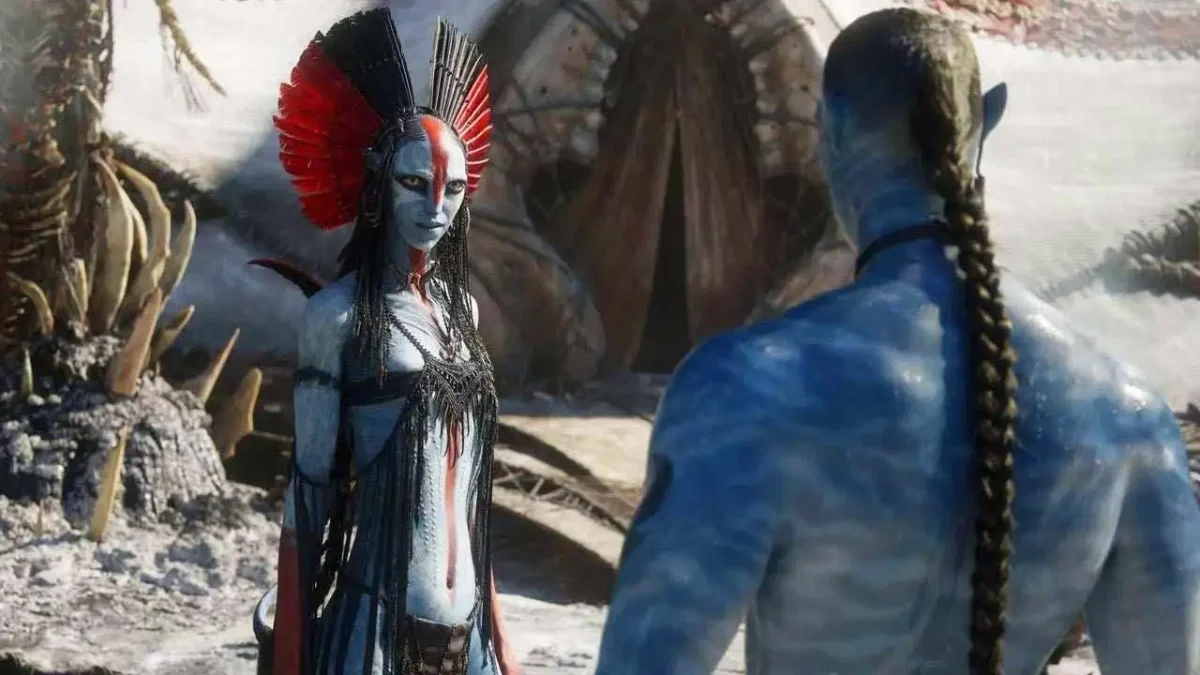
This third opus doesn’t waste time setting the stakes sky high and hotter than ever. James Cameron picks up with Jake Sully (Sam Worthington) and his family, who are once again forced to stand their ground—but this time, against an unfamiliar enemy. Meet the Mangkwan, a clan not to be underestimated, led with iron will (and presumably some attitude) by the formidable Varang, played by Oona Chaplin.
If you thought the earlier chapters of Avatar illuminated the struggles on Pandora, brace yourself. According to the filmmaker, this entry embraces a noticeably darker tone than its predecessors. The subtitle says it all in both French—De Feu et de Cendres—and in the original English: Fire And Ash. But what exactly inspired this title? Cameron offers us more than just a catchy phrase.
United Polaris Studio suites: tickets now on sale for April inaugural flights
Auston Matthews-Radko Gudas controversy: Pierre LeBrun predicts fallout
Decoding Fire and Ash: Cameron’s Own Words
Back in August 2024, while unveiling the first visuals of the film at D23, Cameron took the stage to shed light on his poetic choice. In his words:
- “Fire can represent hatred, violence, trauma, an eventual abuse of power.”
- “The ashes represent the consequences of all that energy—that is to say, the pain and the fact of having to live with what has been done.”
A striking interpretation, no? The fire blazes, but the ashes linger—marking the aftermath.
Fast forward to December 2025, and Cameron isn’t just a director; he’s become a philosopher and political commentator, tying the narrative threads of Pandora straight to our own, all-too-real world. Without mincing words, he tells the Associated Press that “the fire of hatred leaves only the ashes of sorrow.” It’s not just about the blaze—it’s about the lingering grief that smolders beneath.
Echoes Across Generations: A Cycle We Know Too Well
Cameron digs deeper into his own creative process, revealing that this phrase came to him while crafting a line for Lo’ak, the narrator. “I thought: that’s half the equation.” But only half. He continues, “The other half is that grief and trauma feed the fire of hatred, and it repeats endlessly.”
And he’s not shy about making the connection: he names Ukraine, Gaza, Sudan—seeing the same tragic cycle unfold in conflicts across the world. The message: what happens on Pandora, unfortunately, is all too recognizable here.
As he puts it, there are things “that are passed down from generation to generation. It spreads over time, because of all those people who hurt us, so we must fight back.” It’s visceral, raw—and heartbreakingly familiar. The scars of yesterday’s flames shape today’s landscape, in stories both real and imagined.
Cinema That Reflects and Challenges Our World
So, next time you see the fires burning on screen in Avatar 3, remember Cameron’s intent: the flames aren’t just CGI spectacle. They are symbols—of hatred, violence, power abused; but even more, the ashes speak of consequence, pain, and collective memory. Pandora’s battles remind us of cycles playing out across generations and continents.
- Fire: a metaphor for hatred and violence
- Ashes: the pain and consequences that stubbornly linger
- Both: inseparable, feeding and haunting one another
Perhaps that’s the deepest message Cameron hopes will burn into us long after the credits roll: we inherit the ashes, but we don’t have to keep reigniting the fire. With each generation, each story, we’re offered a chance—not a guarantee, but a chance—to break the cycle.
And if after your deep, philosophical reflection you still crave more cinematic insights, remember: AlloCiné brings you more than 40 articles daily, brimming with interviews, streaming suggestions, offbeat anecdotes and film-lovers’ treasures—crafted by passionate cinephiles for fellow enthusiasts. Consider subscribing on Google Discover and make exploring the wonders of cinema part of your daily adventure. Who knows? You might just find the next story that sets your imagination ablaze.