Show summary Hide summary
Think You Love Stranger Things for the Plot? Here’s What Really Hooks You.
The Secret Weapon Behind the Upside Down
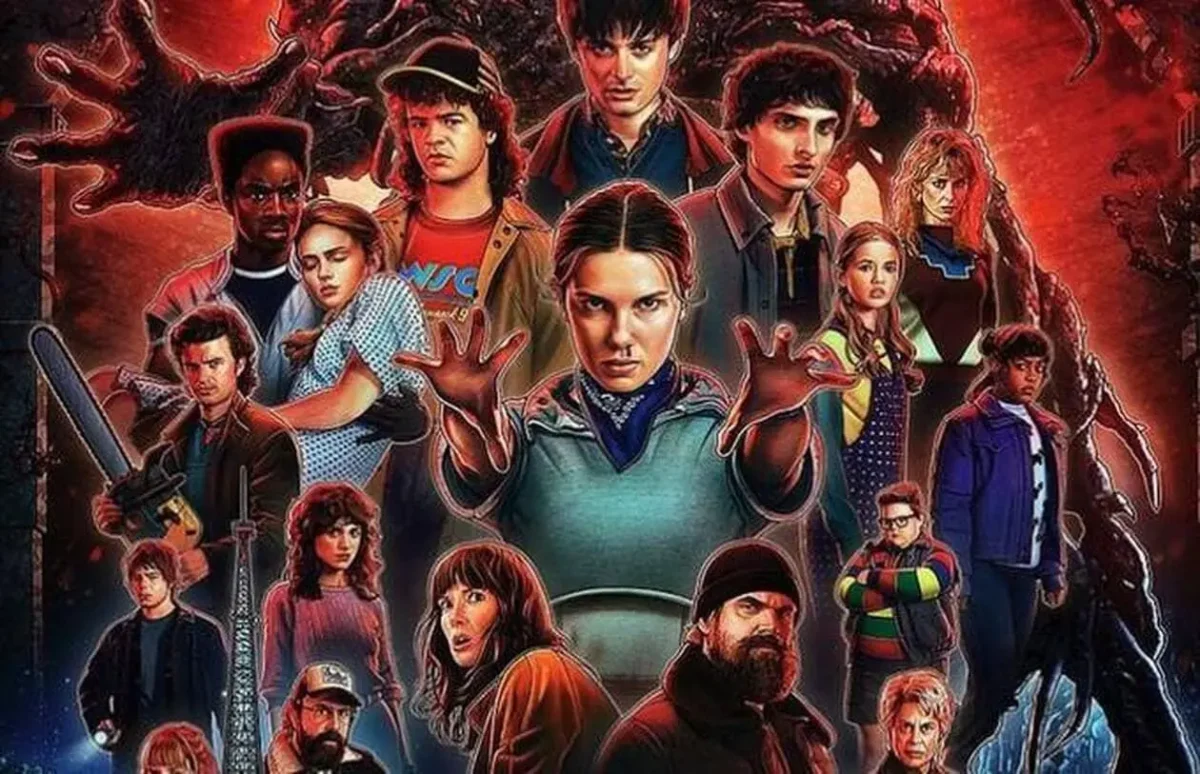
Sure, we all pretend we tune into Stranger Things for the high-stakes supernatural drama, lovable misfit heroes, and elaborate Demogorgon hunting rituals. But let’s get real: what keeps millions coming back season after season, clutching Eggos and humming retro synth tunes? The answer doesn’t just lurk in the shadows of Hawkins, but in the heart of a collective longing—nostalgia.
With the arrival of the fifth and final season, Netflix is pulling out all the stops, unleashing a global wave of public events, collaborations with international brands, and pop-up stores to make sure you don’t just watch Stranger Things—you live it. While the promotional strategy is impressive, it’s nostalgia that weaves together the show’s story, style, and marketing, uniting viewers across generations.
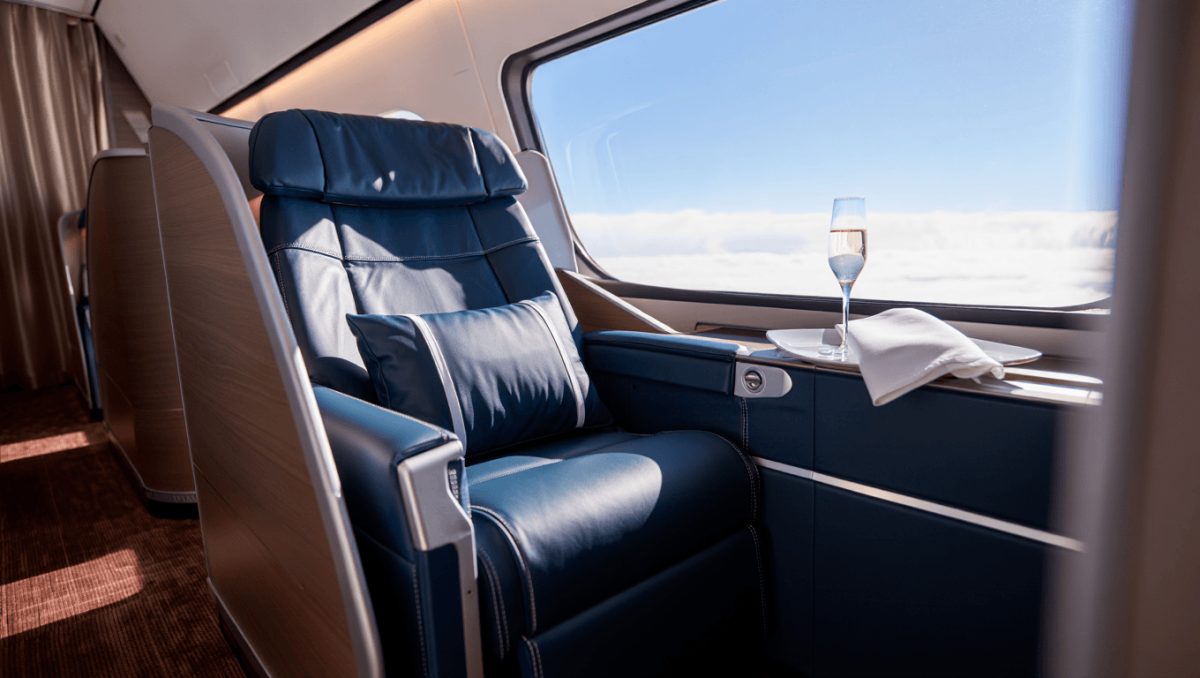
United Polaris Studio suites: tickets now on sale for April inaugural flights
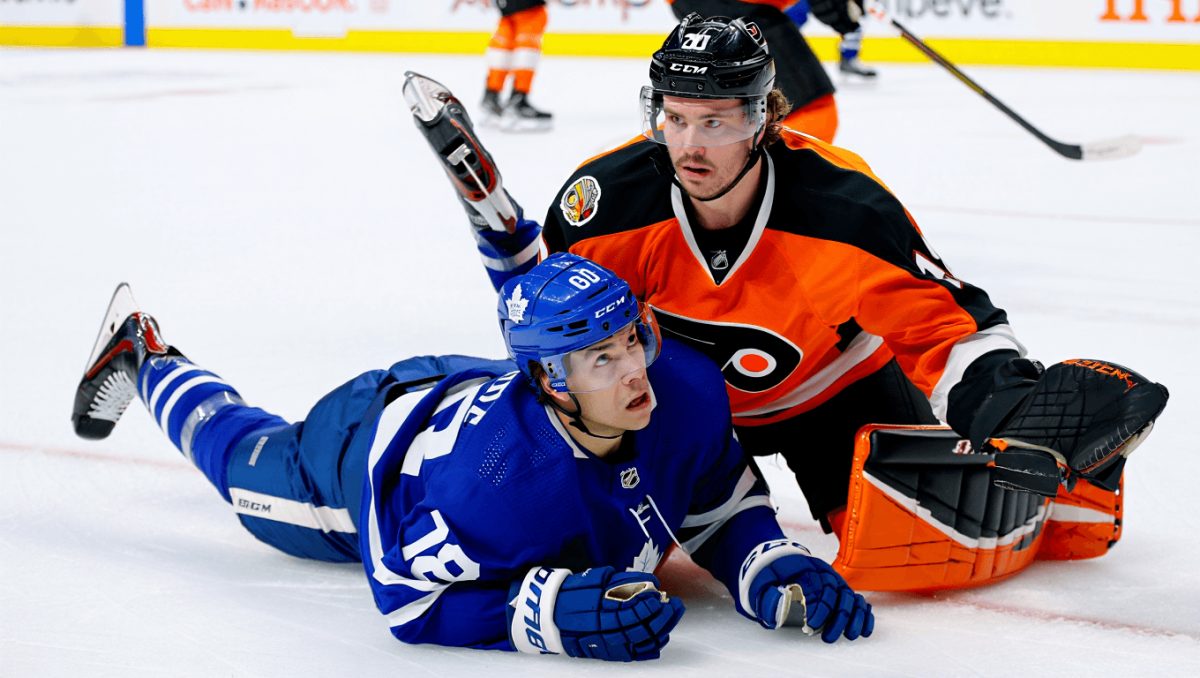
Auston Matthews-Radko Gudas controversy: Pierre LeBrun predicts fallout
The Nostalgic Allure: Icons, Brands, and Childhood Dreams
Since 2016, Stranger Things has been conjuring up the 1980s through an avalanche of iconic objects. From a Sanyo radio and Sidestep boombox to KOSS headphones, the show crafts a world familiar to some, legendary for others. Food and drink brands such as Sunny Delight and Coca-Cola, alongside childhood staples like G.I. Joe lunchboxes, Rainbow Brite dolls, Care Bears, Play Doh, and Crayola crayons stroll right into the spotlight, sending older fans on a trip down memory lane while offering younger viewers a romanticized snapshot of days gone by. Yes, your mom’s old Tupperware is officially cool again.
- 80s tech: Sanyo radios, Sidestep boomboxes
- Agro-food: Sunny Delight, Coca-Cola
- Childhood brands: G.I. Joe, Rainbow Brite, Care Bears, Play Doh, Crayola
This is what researchers like Dan Hassler-Forest called “restorative nostalgia”—nostalgia as an idealized refuge from the more unsettling present. The show’s aesthetic and narrative coherence spring from these carefully curated references, giving Hawkins the charm of an idyllic Cold War suburb, right before supernatural chaos erupts (as highlighted by pop culture scholar Antonia Mackay). The Duffer brothers have mined this sharp contrast since season one: the safer the 80s veneer, the more ominous the Upside Down’s encroachment feels.
As the kids in Hawkins grow from teens to young adults, they’re anchored—like us, the viewers—in an environment frozen by the reassuring glow of 1980s nostalgia, even as terror pulses just beneath the surface. Here lies the Duffer brothers’ masterstroke: nostalgia isn’t just decoration, but a unifying emotional space, a reimagined shared past that fosters connection across generations.
When Marketing Feeds Your Cravings (and Your Sweet Tooth)
Stranger Things’ narrative world is a gold mine for commerce, too. Fast food chains, whose global dominance rose in the 80s, have jumped eagerly onto the bandwagon. McDonald’s served up Happy Meals with limited-edition figurines. KFC brilliantly rebranded itself “Hawkins Fried Chicken,” complete with ads featuring plucky employees braving the Upside Down to deliver your chicken fix. Burger King didn’t miss the party, launching Hellfire Club and Upside Down menus—nods to the Dungeons & Dragons crew and the show’s shadowy realm.
- McDonald’s Happy Meal with collectible figures
- KFC as “Hawkins Fried Chicken” with themed campaign
- Burger King’s Hellfire Club & Upside Down menus
And the extensions don’t stop at drive-thru windows. From Paris’ Galeries Lafayette hosting immersive Upside Down experiences (including customizable Bluetooth speakers shaped like radios) to Bo & Mie bakery’s Stranger Things-inspired pastries, the show seeps into shopping, food, and daily life. Major brands—Lego, Pop figures, Primark, Nike, Casio—have all embraced the series’ style. Stranger Things has burst past TV, lighting up public spaces worldwide with installations echoing Lyon’s Festival of Lights.
Rituals, Farewells, and Why Nostalgia Wins
For its curtain call, Stranger Things has transformed nostalgia into a ritual. No single binge drop here: Netflix stretches out the finale across three calendar milestones—Thanksgiving, Christmas, and New Year’s. By aligning with moments already loaded with personal and family memories, the show becomes not merely a series, but a cultural event.
This clever strategy keeps the hype simmering for weeks, inviting viewers to blend fond memories from the 80s with feelings tied to their own Stranger Things journey—after all, the first season doesn’t feel so long ago. As the end approaches, Netflix rallies fans worldwide with the banner “One last adventure.” Fans biked, skated, or strolled Melrose Avenue in Los Angeles during the “One Last Ride” event on November 23, joining physical and virtual celebrations that underline: this is everyone’s ride.
Even as Stranger Things wraps, it doesn’t fade quietly. The universe continues through licensed products and big-event collaborations, not to mention spin-offs like the play The First Shadow and the animated series 1985 Chronicles. Nostalgia, in the Stranger Things phenomenon, is more than a trip backward—it’s the glue holding us together as we say goodbye, sharing one last adventure before turning the page.