Show summary Hide summary
- What street outreach reveals about access to health care
- Understanding moral injury among caregivers and public-health workers
- A single outreach story that changed a provider’s life
- Policy decisions that amplify suffering on the streets
- How criminalizing poverty harms communities and caregivers
- What caregivers need—and why burnout strategies aren’t enough
- Finding meaning while confronting despair
- Voices from the field and a call for different choices
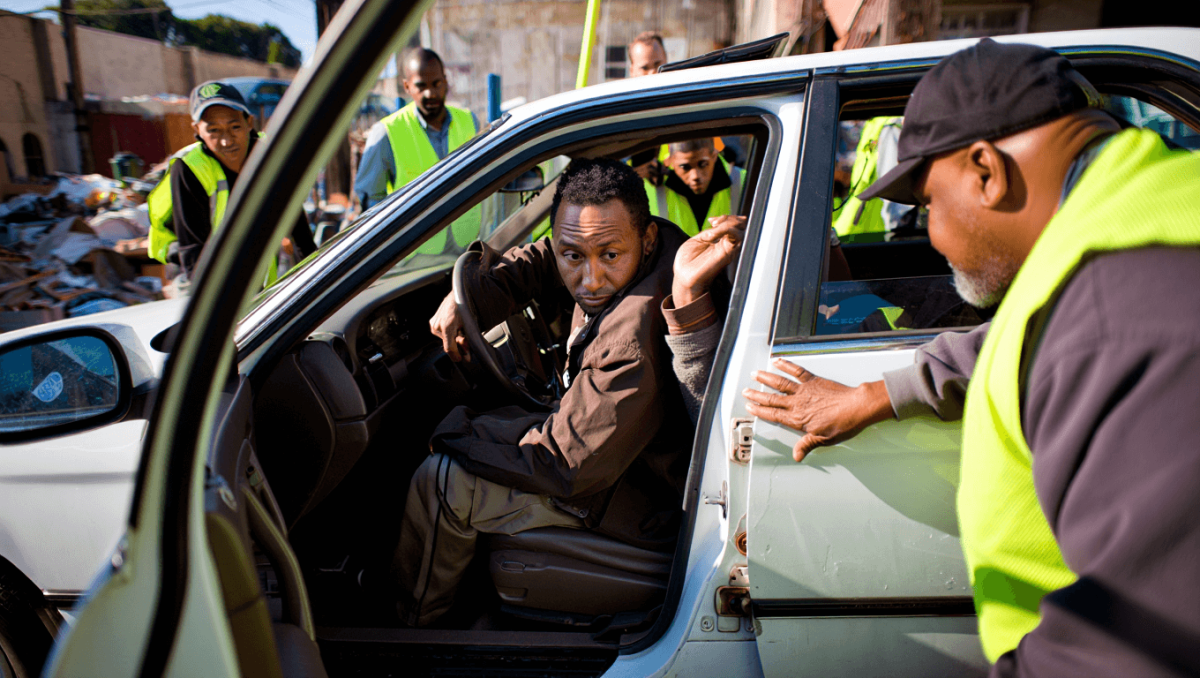
I still see the scene clearly: a man trapped in his car on Skid Row, paralyzed in his legs, trusting prayer while a team of outreach workers scrambled to help. That night and the one that followed reshaped how I think about care, policy and the hidden cost paid by people who live outside—as well as those who try to serve them.
What street outreach reveals about access to health care
People living without stable housing face a web of obstacles when they try to get help. These hurdles are not accidental. They are built into the systems meant to protect public health.
Nickelodeon star arrested after alleged Malibu burglary
Euphoria season 3: Sydney Sweeney left off set as feud with Zendaya intensifies
- Fear of mistreatment in hospitals and clinics.
- Loss of trust after repeated negative encounters with institutions.
- Logistical barriers like transportation, documentation and cost.
- Criminalization of survival strategies that discourages seeking formal care.
When a person refuses an ambulance, it is rarely a simple refusal of care. It is often a decision informed by years of being seen as less than human by medical staff and systems.
Understanding moral injury among caregivers and public-health workers
Confronting persistent neglect creates a type of deep, lingering distress that goes beyond burnout. In recent research, moral injury is described as ongoing psychological pain that arises when an experience undermines core beliefs about right and wrong, or about the decency of institutions.
Moral injury can fracture a person’s trust in themselves, other people, and the systems meant to help.
Symptoms can look like PTSD, depression or severe disillusionment. For those who work with the unhoused, the pain often grows from repeated encounters with preventable suffering and policy-driven scarcity.
- Intrusive, haunting thoughts related to traumatic events.
- Physical symptoms such as headaches, sleep disruption and appetite loss.
- Withdrawal from relationships and loss of pleasure or meaning.
A single outreach story that changed a provider’s life
During an evening shift in Southern California, outreach staff found a man in his 40s whose legs had gone numb. He had been stranded for days in his vehicle. He refused an ambulance, saying he had been praying for help for three days.
We offered to follow him home. He insisted he only needed to get back to his RV. We cleaned him as best we could, moved him into the passenger seat and drove slowly behind his rig. He spoke about his daughter and kept thanking us.
The next day I returned alone with groceries, hoping to persuade him to accept medical care. There was no answer at first. When I opened the camper, I found him unresponsive and cold. It was the first time I encountered the dead body of someone we served on outreach.
The discovery triggered a cascade of reactions: intense guilt, a loss of faith in institutions, and symptoms that mirrored post-traumatic responses. I found myself withdrawing from intimacy and work. Simple daily acts felt unbearable.
Policy decisions that amplify suffering on the streets
Changes in federal priorities and funding make a bad situation worse. Cuts to public-health infrastructure and social services reduce the safety net when it is needed most.
- Reductions in Medicaid funding squeeze access to basic care.
- Cuts to the Department of Health and Human Services and state public-health budgets limit outbreak response and support services.
- Executive actions focused on civil commitment create pathways to criminalize homelessness rather than expand housing or treatment.
When services shrink, people living on the margins bear the brunt. The result is more preventable deaths, more untreated chronic illness and deeper mistrust of care systems.
How criminalizing poverty harms communities and caregivers
Policies framed as “treatment” can operate as coercive measures when they ignore root causes like lack of housing, poverty and trauma. Civil commitment initiatives risk funneling vulnerable people into systems that punish rather than heal.
Those on the street face a double bind: fewer supportive services and increasing enforcement. For outreach workers, that means watching clients become entangled in legal systems instead of receiving compassionate help.
What caregivers need—and why burnout strategies aren’t enough
Standard burnout prevention cannot fully address the harm caused by structural violence. Emotional first aid, time off and peer support help, but they do not fix the policies and social forces at the heart of the problem.
Frontline staff require:
- Stable funding for community-based services.
- Policy shifts toward affordable housing and low-barrier care.
- Trauma-informed systems that restore dignity rather than punish survival.
Finding meaning while confronting despair
Philosophers and clinicians have long argued that people can carve meaning out of suffering. Viktor Frankl, who developed logotherapy, emphasized that the human capacity to choose one’s attitude can be a source of resilience.
Even in the midst of systemic failure, individuals can seek purpose through compassionate action and witness.
For me, that witnessing—being present with people who are often erased—has both wounded and sustained. It is an uncomfortable truth that the work asks more than many systems are prepared to give.
Voices from the field and a call for different choices
Public-health experts warn that broad budget cuts will weaken responses to crises that disproportionately affect poor communities. Leaders have noted that losing institutional capacity makes recovery harder and more dangerous.
- Less funding means fewer contact tracers, fewer shelter options and fewer treatment beds.
- Reduced staffing at health agencies undermines preparedness and prevention.
- Criminalizing strategies shift resources away from housing and care.
Policy choices are moral choices. When governments retreat from supporting basic needs, the consequences land hardest on those without a safety net.
Soma Snakeoil is the executive director and co-founder of The Sidewalk Project, which provides services to street-based sex workers and survivors. She is a Public Voices Fellow with The OpEd Project. This piece first appeared on HuffPost in August 2025.