Show summary Hide summary
Big food companies and nimble startups are racing to stuff familiar snacks with protein, but public enthusiasm is starting to fray. New launches and bold nutrition claims fill grocery aisles, while social channels question whether protein alone makes a product better. Below, we unpack where the trend came from, how shoppers are reacting, and which ingredients brands are betting on next.
Big brands and nostalgic treats get a protein makeover
In recent months, mainstream makers have repackaged classic snacks with added protein. These moves aim to tap demand for more satiating options without reinventing the wheel.
Arkansas’ Darius Acuff Jr. earns rare Kyrie Irving comp from Bill Simmons
Sean Penn awarded Oscar forged from war-damaged Ukrainian train: he skipped the ceremony
- Toaster pastries: Major snack lines now offer protein versions delivering roughly 10 grams per serving.
- Snack chips: Legacy chip makers plan protein-forward launches aimed at the next retail season.
- Beverages and cereals: Established firms reformulate drinks and breakfast items to advertise higher protein counts.
Retail momentum remains strong. Sales growth still favors protein-enhanced SKUs even as online commentary pokes fun at the sheer volume of protein-labeled options.
Why the protein craze took off — and why some shoppers are checked out
Investors and founders say the push for protein reflects both wellness demand and a marketing shortcut. Brands often promote a single hero nutrient because it’s easy to communicate.
Companies competing for consumers’ attention turn to bold claims to win wallet share. That makes protein an obvious headline for everything from snacks to cold foam.
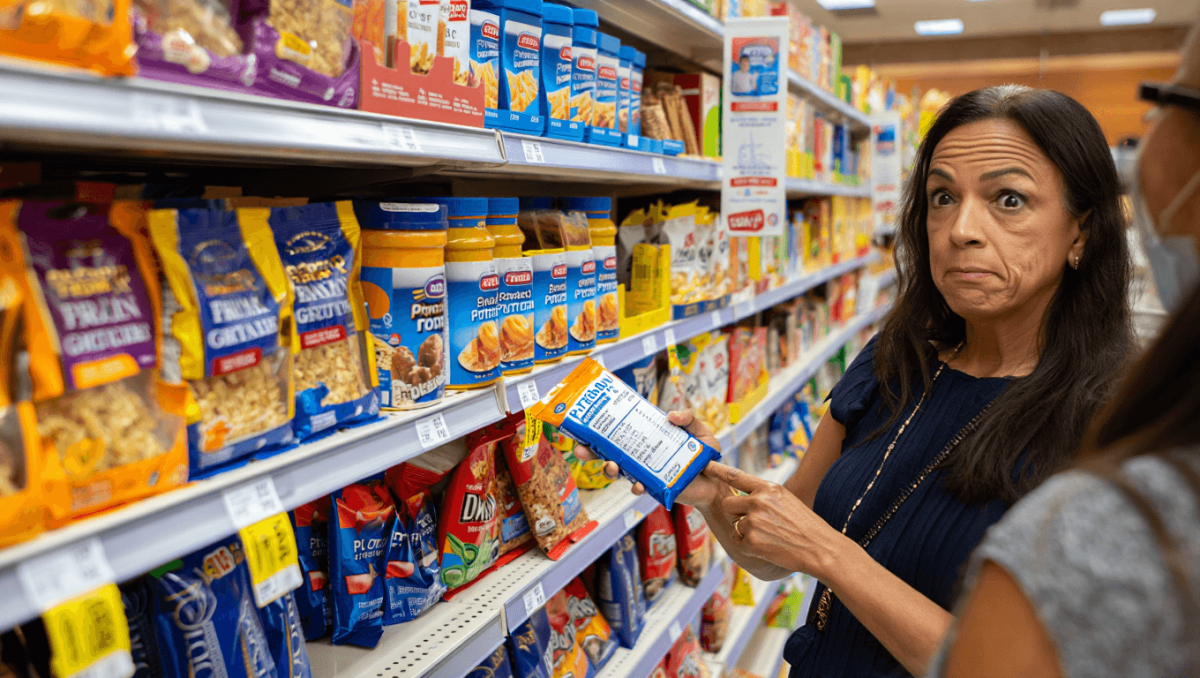
But consumers are tiring for several reasons:
- Overabundance of protein claims dilutes impact.
- Some fortified items still carry high sugar or sodium.
- Shoppers increasingly want foods that feel indulgent and comforting, not just optimized.
Industry investors note the influence of new appetite-regulating medicines and a general move toward products that offer real nutrition, not just big gram counts.
Fiber is rising as the next nutrient to watch
As protein saturation grows, fiber is emerging as a credible challenger for center-stage in better-for-you launches.
Executives at large consumer goods firms have flagged fiber as a strategic priority. The nutrient appeals because many Americans consume less than recommended amounts.
- Fiber supports digestion and heart health.
- Social brands and influencers have popularized fiber-forward drinks and sodas.
- Pairing fiber with protein could satisfy both satiety and gut-health messaging.
Whole-food and complete proteins get spotlighted
Some makers are shifting from isolated protein powders to ingredients that shoppers perceive as more natural.
Meat snacks that naturally contain protein are experiencing renewed interest. One growing company emphasizes grass-fed beef and antibiotic-free options to differentiate from mass-market jerky.
Other startups build chips and snacks from animal-based whole foods like egg whites and chicken broth. These brands highlight that their products supply all essential amino acids.
- Animal proteins often deliver a complete amino acid profile.
- Certain plant foods—soy, quinoa, hemp—also provide complete protein.
- Beans, nuts, and grains remain nutritious but sometimes lack one or more essential amino acids on their own.
How brands are trying to win trust with clearer labels and cleaner ingredients
To stand out, many companies are changing the story on the package. They now emphasize where protein comes from, not just how many grams it contains.
Common tactics include:
- Listing specific protein sources, such as milk isolate, egg whites, or grass-fed beef.
- Promoting complete-protein status when applicable.
- Pairing protein claims with other benefits like low net carbs or added fiber.
- Keeping ingredient panels short and transparent to appeal to label-reading consumers.
These moves aim to convert savvy buyers who want functional benefits without sacrificing taste or ingredient integrity.