Show summary Hide summary
Béla Tarr, the Hungarian director known for his slow, uncompromising black-and-white epics, has died at 70. News agencies and the European film community confirmed his passing, saying he succumbed after a prolonged illness. Tarr’s work reshaped modern art-house cinema and left a deep mark on students and fellow filmmakers.
What shaped Tarr’s cinema: long takes, bleak landscapes, human ruin
Tarr’s films are built on patient camera work and a bleak view of human life. He favored extended single takes, near-monochrome frames, and deliberate pacing. These techniques produced a hypnotic, often unsettling rhythm that divided audiences and critics.
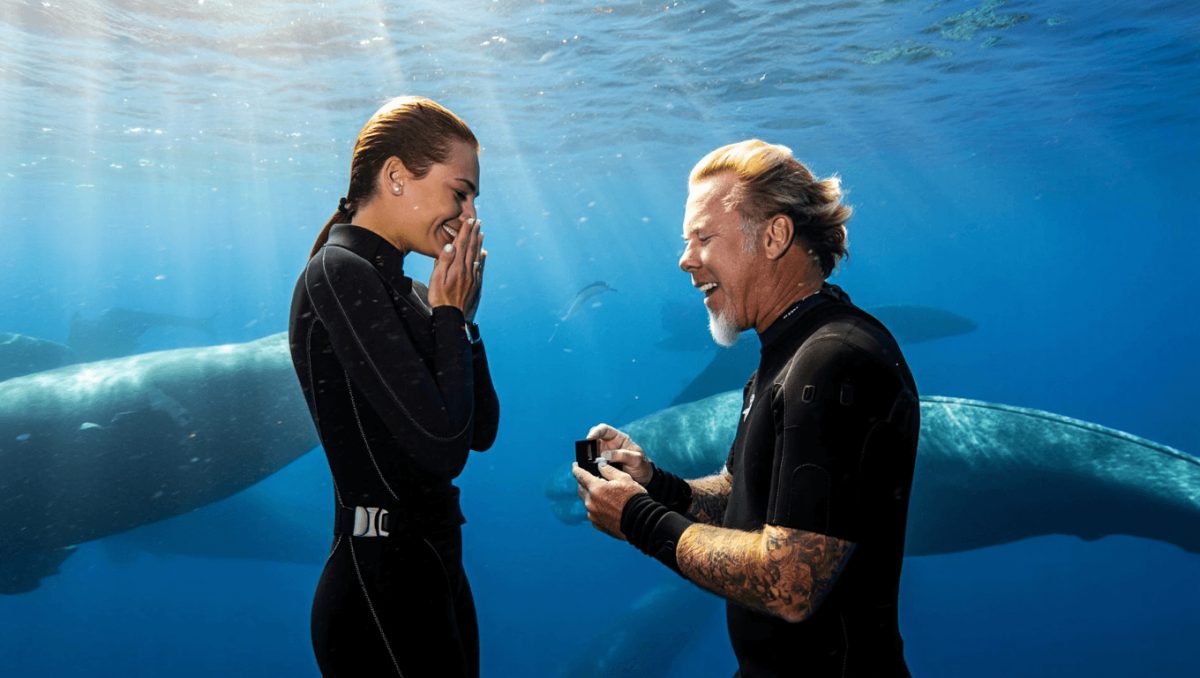
Metallica’s James Hetfield stuns with jaw-dropping proposal to Adriana Gillett
Christina Haack stuns in cream crochet bikini: responds to fourth engagement rumors
His cinema explored social collapse, moral ambiguity, and rural decay. Critics compared his visual language to Tarkovsky, while noting Tarr’s distinct insistence on public spaces and collective despair.
Signature films that defined a generation
Tarr directed nine features over his career. A few stand out as landmarks in contemporary cinema:
- Sátántangó — A black-and-white epic, roughly seven and a half hours long, adapted from László Krasznahorkai. The film maps the unraveling of a small Hungarian village after the fall of communism.
- Werckmeister Harmonies — A meditative study of crowd psychology and political unease, restored in 4K and reissued to wide acclaim.
- The Turin Horse — A stark, claustrophobic work from 2011 about a farming family facing an apocalyptic breakdown. It was his final feature before moving into teaching full time.
- The Man from London — A 2007 crime drama starring Tilda Swinton, filmed in Tarr’s characteristic black-and-white style and nominated at Cannes.
- Earlier works including Damnation, Almanac of Fall, and his debut Family Nest (1979).
Teacher and mentor: film.factory and beyond
After completing The Turin Horse, Tarr relocated to Sarajevo and launched an international school called film.factory. He intended it as a laboratory for cinematic craft and a place to guide new voices.
- film.factory operated until 2016.
- Visiting teachers included internationally known directors such as Apichatpong Weerasethakul, Carlos Reygadas, and Gus Van Sant.
- Tarr’s mentorship extended to a range of younger filmmakers, including György Fehér and Valdimar Jóhannsson.
Earlier in his life he also helped establish the short-lived Társulás Filmstúdió in the 1980s. Even after closing the Sarajevo school, he remained involved in teaching and advising.
Awards, recognition and critical legacy
Tarr’s career brought both controversy and honors. Highlights include:
- A Palme d’Or nomination at Cannes for The Man from London (2007).
- The Silver Bear at the 2011 Berlin Film Festival for The Turin Horse.
- An honorary European Film Award in 2023, celebrating his lifelong contribution.
More than prizes, his films became touchstones for cinephiles worldwide. Sátántangó in particular has been discovered and rediscovered by successive generations.
Final days and industry reaction
Hungary’s MTI reported Tarr’s death via filmmaker Bence Fliegauf. The European Film Academy said he died after a “long and serious illness.”
Industry statements praised his artistry and political voice. The European Film Academy described him as a director who commanded respect from peers and audiences alike. The family has asked for privacy during this difficult time.