Show summary Hide summary
- Unanticipated tribute during Kimmel’s acceptance speech
- How the show’s brief suspension unfolded
- Regulatory and corporate reactions that escalated the dispute
- What Kimmel actually said and why it landed poorly
- Backstage comments and the comedian’s take on cancellation attempts
- Political ripple effects and the late-night landscape
- Public and peer responses after the controversy
- What this means for Kimmel’s show and network relations
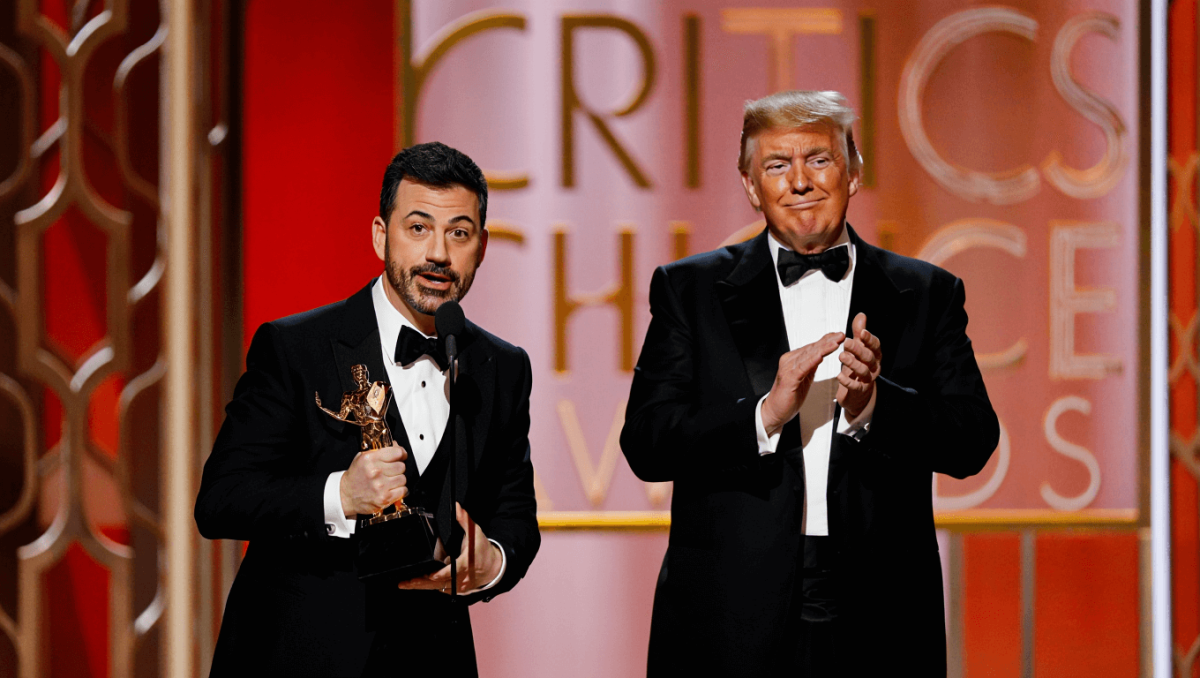
Jimmy Kimmel surprised the Critics Choice Awards audience by publicly thanking President Donald Trump as he accepted the trophy for Best Talk Show. The moment came amid a recent controversy that briefly took his late-night program off the air and sparked a wider debate about free speech, media responsibility and political pressure in entertainment.
Unanticipated tribute during Kimmel’s acceptance speech
On stage, Kimmel acknowledged the team behind his show and the peers who rallied during the tumultuous period. He then offered an pointed — and unexpected — expression of gratitude toward the president, framing it as part of the odd sequence of events that kept his show in the headlines.
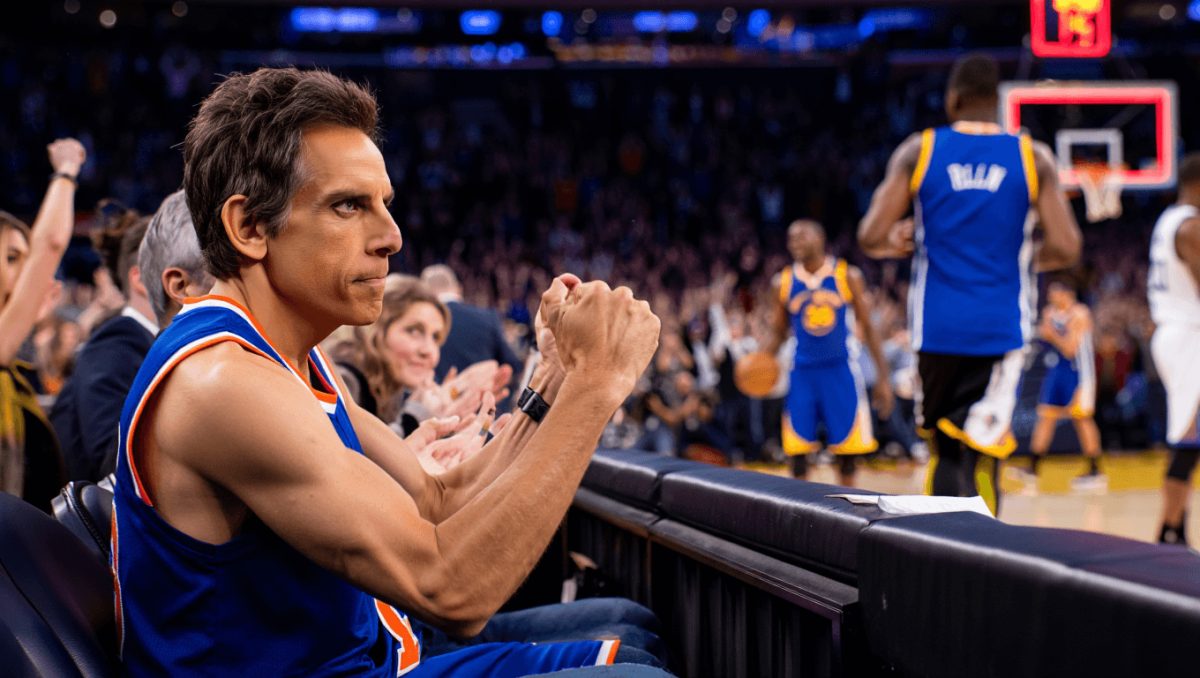
Knicks superfan Ben Stiller skips Oscars to watch gritty win over Warriors
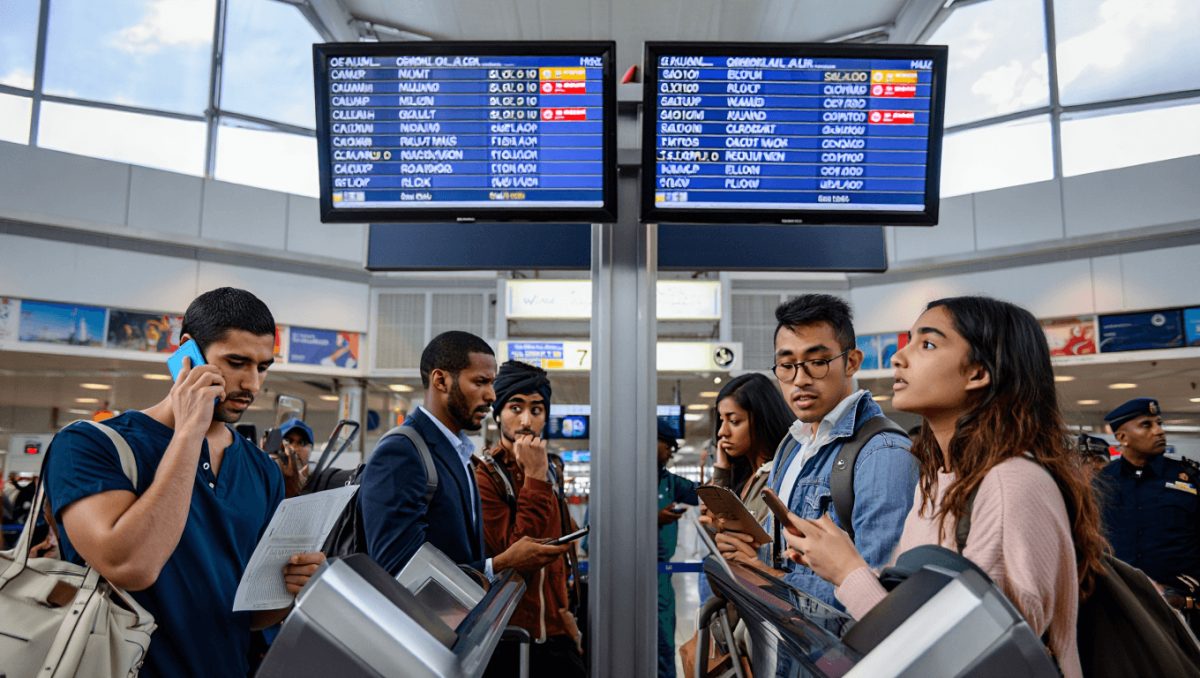
U.S. embassies warn: 5 new travel alerts after demonstrations spread
His remarks mixed levity and provocation, and he signaled eagerness to resume broadcasting the late-night program the following evening.
How the show’s brief suspension unfolded
The temporary pull of Kimmel’s program in September followed contentious comments he made about the death of conservative commentator Charlie Kirk. The suspension was announced after a major TV group warned it might pre-empt future airings.
- Broadcast conglomerate pressure played a key role.
- Regulatory officials publicly signaled scrutiny.
- Kimmel issued an on-air apology when his show returned.
Regulatory and corporate reactions that escalated the dispute
Industry figures outside ABC amplified the situation. A leading industry commissioner said he was considering a formal inquiry into the host and his program. At the same time, a station owner group threatened to stop airing the show in some markets.
Those actions created a rare convergence: corporate leverage, regulatory threats and a polarizing social reaction that turned a monologue into a national story.
What Kimmel actually said and why it landed poorly
Kimmel had criticized how some political actors responded to Kirk’s death and suggested the case was being used for political advantage. He also mocked the president’s public response, comparing his reaction to a childlike handling of grief.
When ABC dropped the suspension less than a week later, Kimmel returned to his desk visibly emotional. He emphasized that he did not mean to trivialize a young man’s death and praised the victim’s family for their forgiveness.
Backstage comments and the comedian’s take on cancellation attempts
Following his Critics Choice win, Kimmel described the suspension as a surreal episode. He used a literary metaphor to explain how it felt, saying the experience resembled watching your own funeral. He also noted the passionate response from colleagues who defended creative expression.
He framed the public reaction as a line drawn in defense of comedians. Kimmel suggested that attempts to silence him instead increased viewership and attention.
Political ripple effects and the late-night landscape
The clash highlighted tensions that live at the intersection of politics and entertainment. Late-night hosts often critique political figures, but the reaction from industry stakeholders in this case underscored the industry’s vulnerability to outside pressure.
Key touchpoints in this episode included:
- On-air commentary that drew partisan backlash.
- Station-level threats to pre-empt programming.
- Regulatory warnings that hinted at possible investigations.
Public and peer responses after the controversy
Responses ranged from supportive to condemnatory. Many performers and writers who work with Kimmel publicly rallied for his return. Others criticized his choice of words and urged more sensitivity around violent tragedies.
The debate reopened questions about how late-night shows balance satire, accountability and empathy when addressing recent deaths tied to politics.
What this means for Kimmel’s show and network relations
ABC’s quick reversal to end the suspension suggested network calculations about public reaction and ratings. Kimmel’s comments at the awards reinforced his role as an outspoken host willing to mix humor with political critique.
Moving forward, the episode could influence how networks manage controversies and negotiate with station groups that hold local broadcast power.