Show summary Hide summary
- Fallon’s monologue: poking fun at a costly White House project
- Which companies came up in the jokes — and why it mattered
- Allusions to other controversies and the Epstein client list
- Fallon’s stance on politics and late-night timing
- How the president reacted and the broadcast back-and-forth
- The ballroom’s scale and the incredulity it inspired
- Key moments and where to see the clip
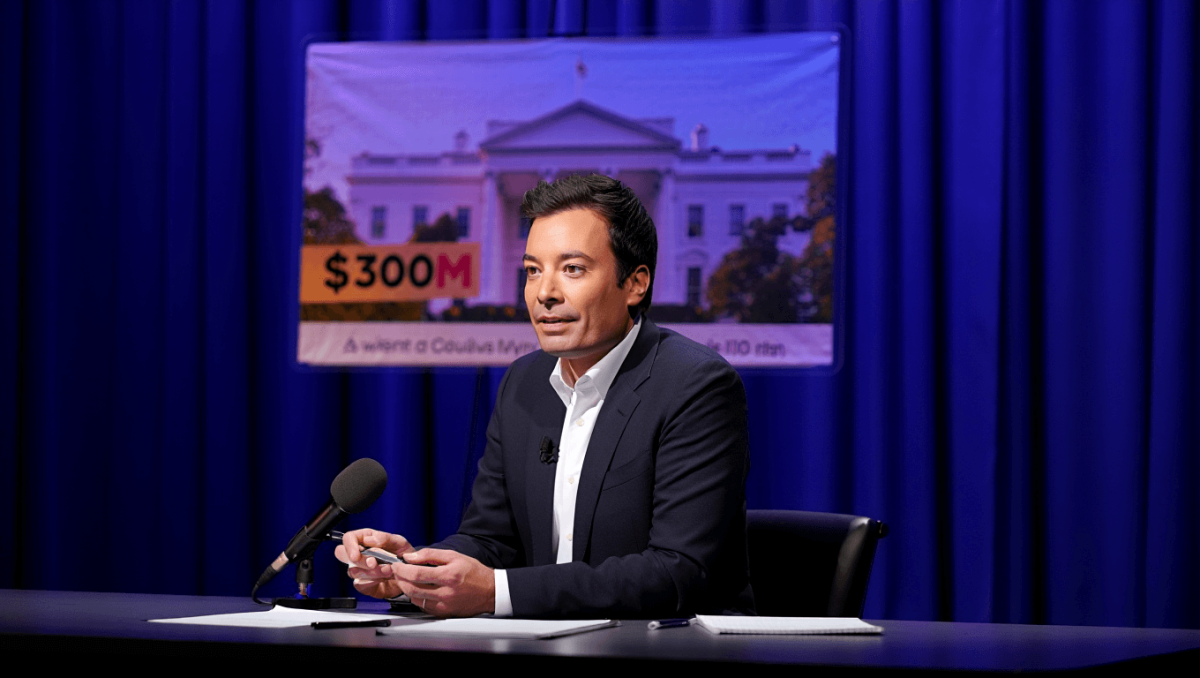
Jimmy Fallon used his Oct. 23 Tonight Show monologue to skewer the White House ballroom plan, turning a news item into late-night fodder with a string of sharp jokes. The segment mixed mockery of the project’s rising price tag with barbs about the corporate names allegedly backing the renovation.
Fallon’s monologue: poking fun at a costly White House project
On air, Fallon told viewers the ballroom’s estimated cost had jumped again, then joked about the idea of the president being outspent on a renovation. His comedic beat landed on the growing list of sponsors that, he said, were stepping up to fund the space.
United Polaris Studio suites: tickets now on sale for April inaugural flights
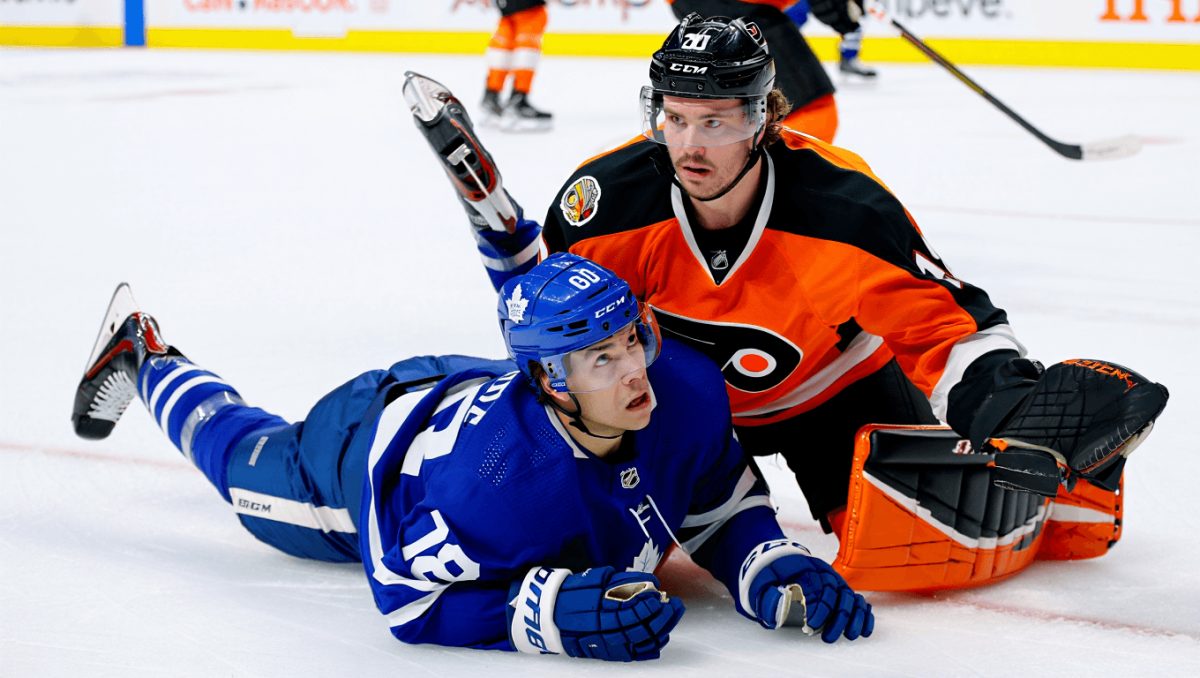
Auston Matthews-Radko Gudas controversy: Pierre LeBrun predicts fallout
- Fallon linked the cost increase to public reaction and incredulity.
- He framed the donor rollout as awkward and not the roll call the public expects.
- The Tonight Show host used visual gags to punctuate the punchlines.
Which companies came up in the jokes — and why it mattered
Fallon named major tech firms in his routine, suggesting companies like Apple, Google, and Microsoft appeared as donors. He contrasted those tech names with brands you’d expect for something more intimate — underwear and novelty sponsors — to underline the absurdity.
- Big tech was referenced as unexpected backers.
- He also teased entertainment and hospitality brands, including Hard Rock, with a visual gag of a giant guitar at the residence.
Allusions to other controversies and the Epstein client list
Part of the joke tapped into ongoing public debate about high-profile names tied to controversial networks of influence. Fallon hinted at those wider conversations when he said the donor list still wasn’t the one people wanted to see.
The remark played on the public’s appetite for transparency and the continued interest in documents and names connected to past scandals.
Fallon’s stance on politics and late-night timing
This bit landed even though Fallon recently told a business interview that his show aims to stay balanced and steer clear of heavy political targeting. He said his monologues aim to make people laugh, not to become overtly partisan.
That comment came amid turbulence for other late-night shows. ABC briefly pulled Jimmy Kimmel Live! following controversial remarks, and CBS has announced changes to its late-night roster later this year. That context makes Fallon’s return to political humor notable.
How the president reacted and the broadcast back-and-forth
President Trump has publicly criticized late-night hosts on social media, celebrating cancellations and urging others to follow. His posts have singled out hosts by name and encouraged networks to act.
- He praised ABC’s decision regarding Kimmel and urged NBC to take action against other hosts.
- Despite that pressure, Fallon continued to crack jokes about the administration.
The ballroom’s scale and the incredulity it inspired
Reporters and comedians have seized on the ballroom’s reported specs: a roughly $300 million price tag, seating for nearly 1,000 people, and tens of thousands of square feet. Critics point out the space would rival or even surpass parts of the existing White House footprint.
- The numbers fed the late-night narrative about excess.
- Comics used the contrast between presidential residence and mega-venue for laughs.
Key moments and where to see the clip
The monologue included a rapid-fire mix of one-liners and images. At one point Fallon cut to a visual gag showing a huge guitar atop the residence as a punchline about commercial sponsorships. NBC posted the segment to its channels for viewers who missed the broadcast.
- Monologue opens with the price increase gag.
- Fallon reads out and riffs on the donor names.
- Visual gag underscores the satire.
What to watch for next
- Will other late-night hosts follow with similar jokes?
- Will the list of donors or the ballroom plan change under scrutiny?
- How will networks handle political heat as the late-night lineup shifts?